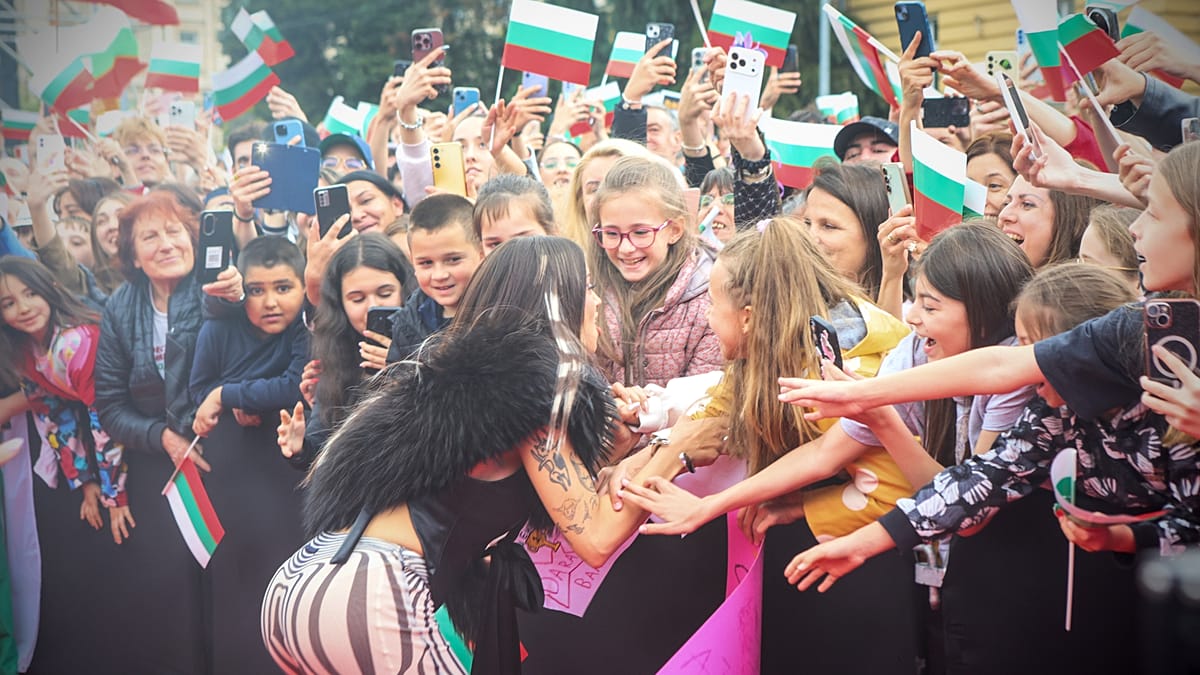
On a balmy evening in late May, the heart of Sofia transformed into a pulsating sea of flags, glitter, and euphoria. Tens of thousands of Bulgarians and visitors from across Europe converged on the city's central squares to celebrate Dara's historic victory at the Eurovision Song Contest 2026 in Vienna. The singer's infectious anthem 'Bangaranga' had already become a continental earworm, but in Sofia it became a unifying roar.
The celebration, organized by the municipality in partnership with the Bulgarian National Television, featured a free open-air concert on the iconic ploshtad Nezavisimost (Independence Square), where Dara performed her winning track alongside a medley of previous Eurovision hits. A giant screen relayed the live broadcast from Vienna, and the crowd erupted as the final votes were tallied, confirming Bulgaria's first-ever victory in the contest's 70-year history.
A City Transformed into a Stage
Red carpets were rolled out along ulitsa Tsar Osvoboditel, leading from the National Palace of Culture to the Narodno sabranie (National Assembly) building, where Dara made a triumphant appearance in an open-top car. The city's iconic yellow cobblestones were covered in temporary dance floors, and pop-up stages hosted local DJs and folk ensembles, blending traditional Bulgarian rhythms with the electro-pop energy of 'Bangaranga'.
Restaurants and bars along ulitsa Vitosha reported record sales, with many offering 'Bangaranga' cocktails—a mix of rakia, elderflower, and lime. The Sofia Metro extended its hours until 3 a.m., and additional bus services were laid on to shuttle revelers from outlying districts. Police estimated the crowd at over 80,000, with no major incidents reported.
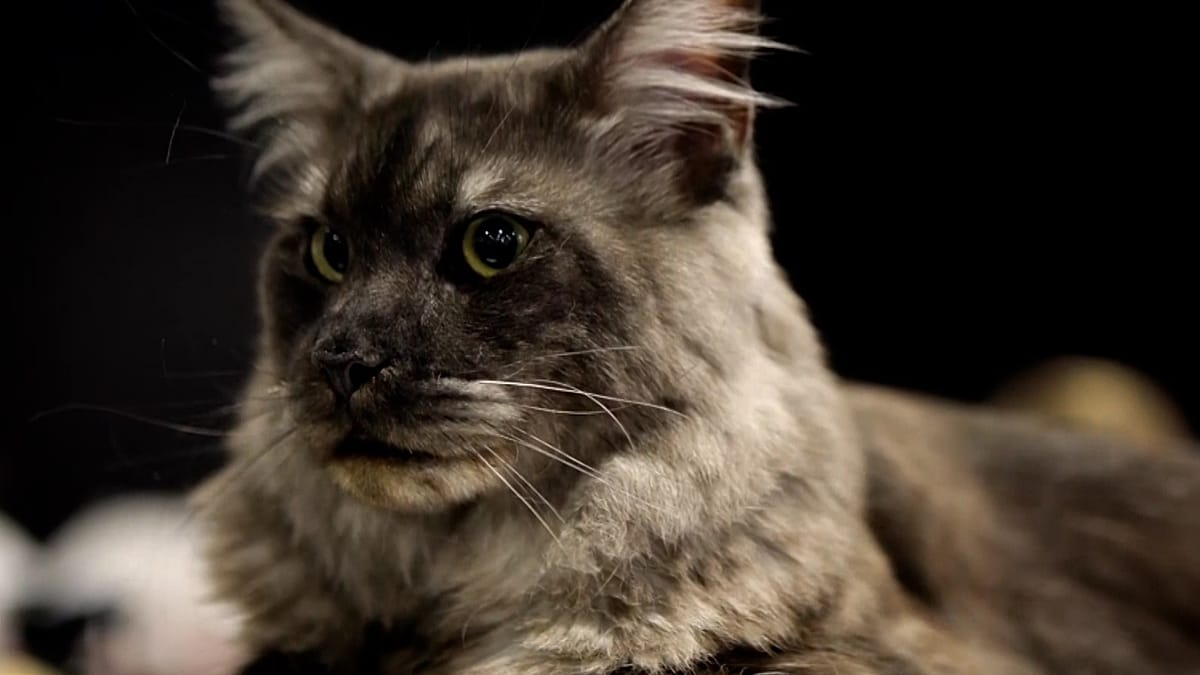
The event also drew attention to the broader cultural renaissance in Bulgaria's capital. Earlier this year, Sofia hosted an international cat show that attracted feline enthusiasts from across the continent, and the city has been investing heavily in its cultural infrastructure. The Eurovision victory is seen as a catalyst for further international tourism and investment.
Political and Cultural Resonance
The win was not without controversy. In the weeks leading up to the final, viral claims of a rigged contest circulated on social media, but were thoroughly debunked by the European Broadcasting Union. Dara's victory was secured by a landslide public vote, overturning a jury favorite from Israel. The runner-up, Noam Bettan, thanked supporters amid ongoing boycotts linked to the Gaza conflict, underscoring the contest's persistent entanglement with geopolitics.
For Bulgaria, the win is a moment of national pride and a chance to reshape its image abroad. Prime Minister Nikolai Denkov addressed the crowd via video link, calling Dara 'a symbol of modern Bulgaria—creative, resilient, and open to Europe.' The government has already announced plans to bid for the 2027 Eurovision hosting rights, with Sofia, Plovdiv, Varna, and Burgas all vying for the spotlight.
The celebration in Sofia echoed similar scenes in other European capitals. In Vienna, where the contest was held, a massive mural of Dara was unveiled on a 30-story office tower, and the city's Prater park hosted a free screening for 50,000 fans. The event demonstrated how Eurovision continues to serve as a rare platform for cultural diplomacy and shared joy across a politically fragmented continent.
As the night wore on, Dara took to the stage one last time, her voice hoarse but triumphant. 'This is for everyone who believed that a small country can make a big noise,' she said, before launching into an encore that had the entire square jumping in unison. For a few hours, Sofia was not just the capital of Bulgaria—it was the capital of Europe.