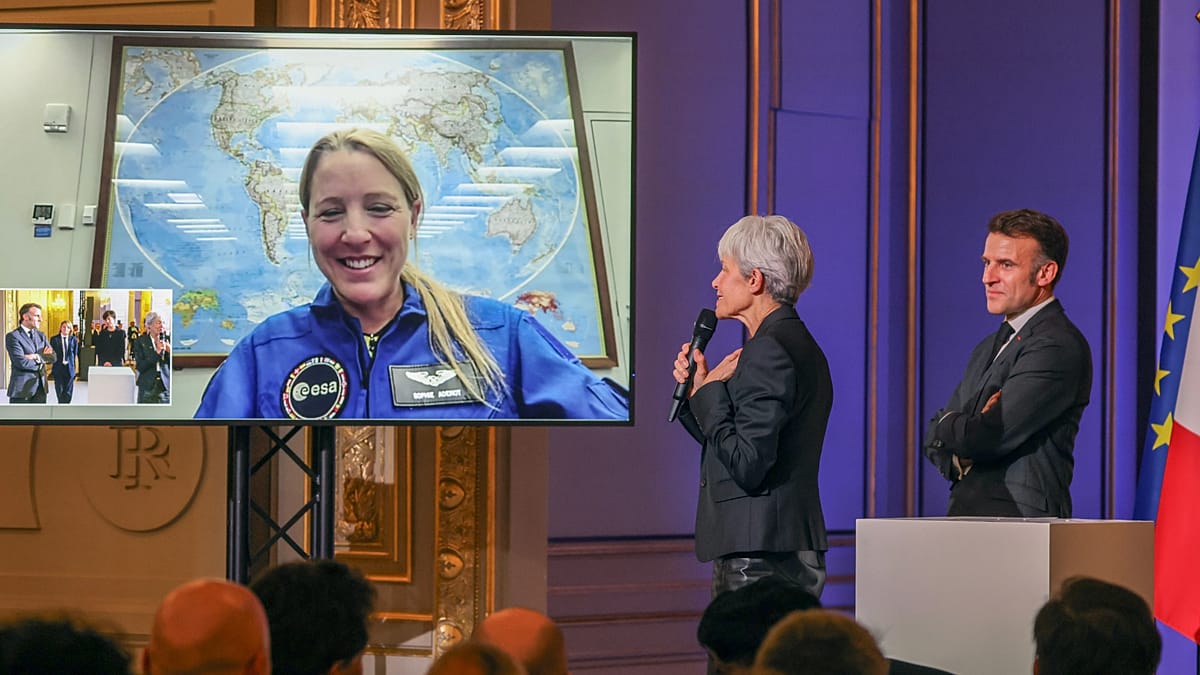
Sophie Adenot, the French astronaut who made history in February as only the second Frenchwoman to travel to space, is preparing for another milestone. On 18 August, she will step outside the International Space Station (ISS) for a spacewalk, becoming the first Frenchwoman to do so.
Adenot announced the news on her social media channels, calling it "fantastic news." She has been aboard the ISS since February, and her mission is part of Expedition 75.
A critical repair mission
The spacewalk, scheduled for 18 August, will focus on replacing an antenna that is essential for high-bandwidth data transmission between the station and ground control. NASA explained that the antenna is vital for communications with Earth, and the repair is necessary to maintain the station's operational capabilities.
Adenot will be joined by NASA astronaut Anil Menon, who has already performed a spacewalk to work on a similar antenna. The two have begun meticulous preparations, including working together in the Quest airlock to organize their tools.
"On Monday, Menon and Adenot worked together in the Quest airlock and prepared the tools they will take outside the station for the operation," NASA said in a statement.
If the mission goes as planned, Adenot will become only the second European woman to perform a spacewalk, following Italy's Samantha Cristoforetti in 2022. She may also venture outside the station again on 25 August for additional work.
The achievement is a significant moment for France and for European space exploration. Adenot's journey from the French Air Force to the ISS reflects the growing role of women in spaceflight, a trend that has been accelerating across the continent.
As Europe continues to invest in space programs, Adenot's milestone is likely to inspire a new generation of scientists and engineers. Her mission underscores the importance of international collaboration in space, with astronauts from different nations working together to maintain the ISS.
For those following the mission, the spacewalk will be broadcast live on NASA's channels, offering a rare glimpse of a historic moment for France and for Europe.