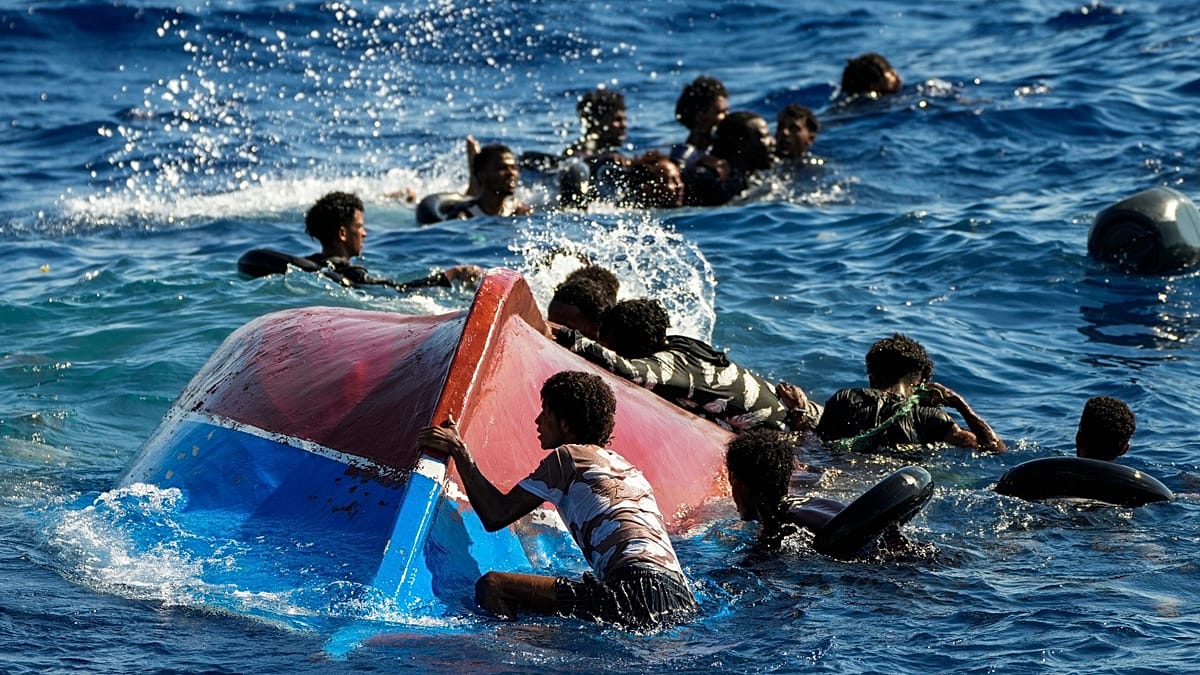
An aerial patrol operated by the migrant rescue charity SOS Méditerranée and the Humanitarian Pilots Initiative spotted eleven decomposing bodies floating in the Mediterranean off Libya's coast on Friday. The discovery came roughly 105 kilometres from the coastal city of Zuwarah, inside Libya's search-and-rescue zone.
The charity described the scene as “harrowing,” noting that some of the deceased were still clothed while others were kept afloat by tyre inner tubes. The bodies were said to be in an advanced state of decomposition, indicating they had been in the water for some time.
In a statement, SOS Méditerranée framed the sighting as a direct consequence of European migration policy. “This sighting is a stark reminder of the human consequences of Europe's deadly policies of indifference and deterrence-at-all-costs,” the organisation said.
The Italian coast guard confirmed it had been alerted and had passed the information to Libyan authorities, given that the location falls under Libya's responsibility for search and rescue.
Rising death toll despite fewer crossings
The incident underscores a troubling trend in the central Mediterranean. According to the International Organisation for Migration, 821 people died or went missing on this route in the first four months of 2026—a 111% increase compared with the same period in 2025. More than half of those deaths occurred in January, when severe weather battered the crossing.
At the same time, the number of migrants attempting the journey has dropped dramatically. Arrivals on the central Mediterranean route fell by 46% to just 8,577 in the first four months of the year. EU border agency Frontex reported that overall irregular border crossings into the European Union declined by 26% in 2025, to nearly 178,000.
The paradox of fewer crossings but more deaths points to the impact of stricter European deterrence measures, which push migrants onto more dangerous routes and delay rescue operations. Humanitarian groups have long argued that policies focused on prevention rather than safe passage are costing lives.
The situation is particularly acute off the Libyan coast, where smugglers launch overcrowded rubber boats and wooden vessels. Zuwarah has become a notorious departure point, and the waters around it are frequently the site of tragedies.
European governments have increasingly outsourced migration control to Libyan authorities, providing funding and equipment to intercept boats before they reach international waters. Critics say this approach leaves migrants at the mercy of detention centres and armed groups, while doing little to address the root causes of migration.
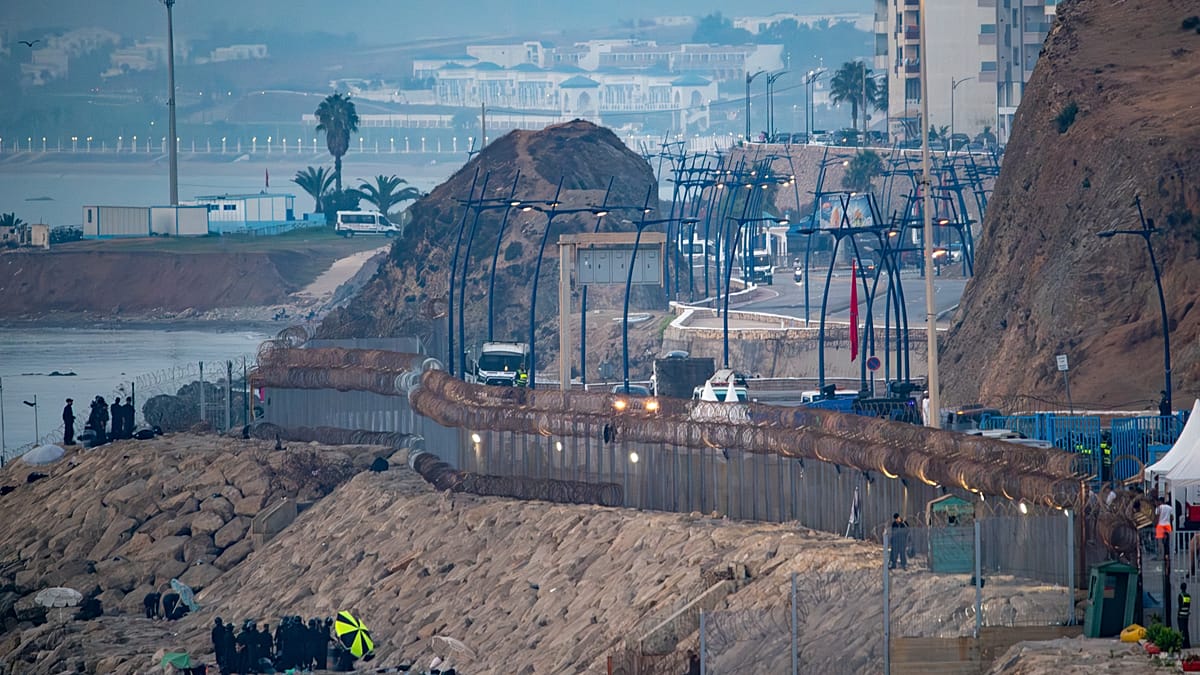
The latest deaths come as the EU grapples with broader migration challenges, including a crisis in Ceuta where thousands of unaccompanied minors are left without protection. EU experts have already arrived in the Spanish enclave amid fears of a new surge, and tensions have been heightened by Morocco's renewed claims over Ceuta and Melilla.
Meanwhile, the political landscape in Libya remains volatile. A recent bombing in Benghazi killed a senior intelligence chief, shaking the eastern power base of Khalifa Haftar and further complicating any coordinated response to migration.
For now, SOS Méditerranée continues its surveillance and rescue operations, but the charity warns that without a fundamental shift in European policy, the Mediterranean will remain a graveyard. “Every body we find is a person with a name, a story, and a family,” the organisation said. “Europe cannot look away.”