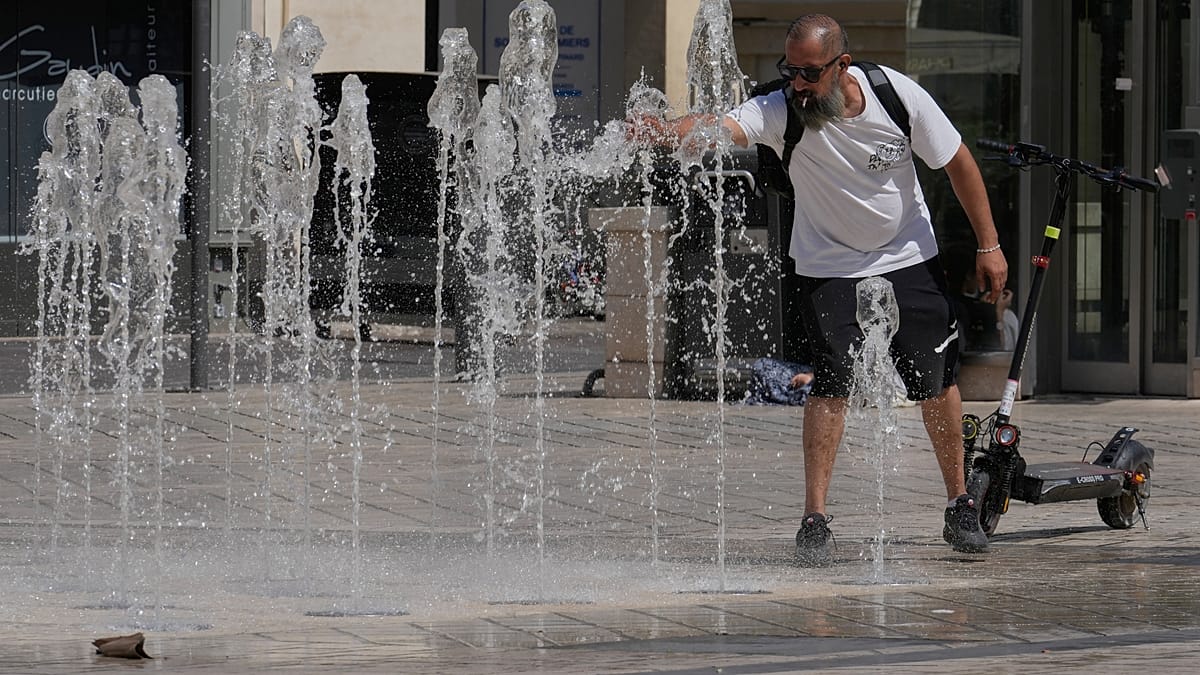
Spain is bracing for its second major heatwave of the summer, with the State Meteorological Agency (AEMET) warning that a mass of very hot air will sweep across the Iberian Peninsula from this weekend. Orange alerts have been issued for Extremadura and Andalusia, where temperatures could reach 42°C, particularly in the Guadalquivir valley. Yellow alerts are also in place along the Ebro river, in the Lleida Pyrenees, and in southern Gran Canaria.
The heatwave comes just days after the first one, which is estimated to have caused nearly 900 deaths in June, according to the MoMo mortality monitoring system run by the Ministry of Health. The new episode is driven by a heat dome forming over the Atlantic Ocean, where sea surface temperatures are already elevated. This dome is expected to push extreme heat into the peninsula over the coming days.
Regional Impact and Duration
Extremadura and Andalusia are on the front line, with orange alerts for temperatures between 40 and 42°C. The Canary Islands will also feel the heat, with maximums of 36°C in the western islands and 38°C in the eastern ones, though the episode there is expected to be less severe than on the mainland. Northern regions, especially Galicia, will see a sharp rise from Saturday and Sunday, a phenomenon that is particularly striking there because it is unusual.
For the episode to be officially classified as a heatwave, three conditions must be met: temperatures must exceed the 95th percentile by a wide margin, the episode must last at least three days, and it must affect at least 10% of Spanish territory. Based on current forecasts, it is highly likely that these criteria will be satisfied, with an estimated duration of three to five days in some areas.
Night-time temperatures are also a concern, with lows between 20°C and 26°C, and possibly reaching 27–28°C in the hardest-hit areas. This means tropical nights for much of the country, making it difficult to sleep and increasing health risks, especially for vulnerable populations.
This heatwave is part of a broader trend. Spain ended June with the second-warmest June on record, with an average temperature 3.2°C above normal, second only to June 2025. Since 1975, Spain has recorded 12 heatwaves in June, half of which have occurred since 2015, illustrating how these episodes have accelerated in recent years.
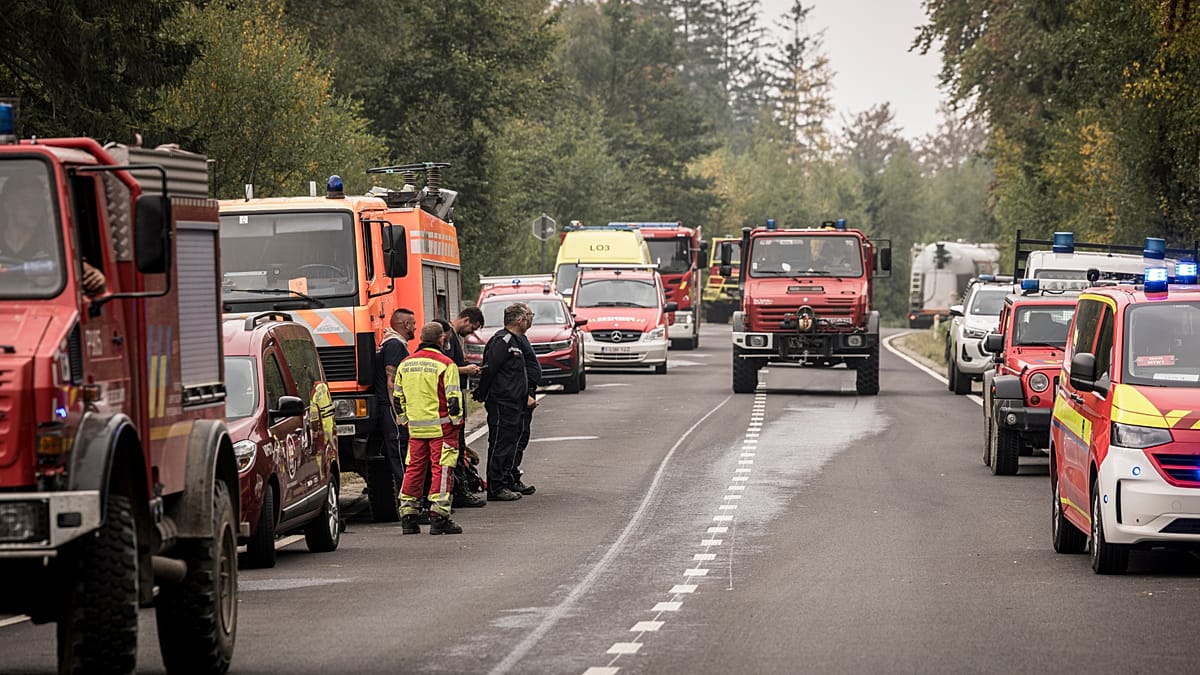
The heatwave also raises the risk of wildfires, as seen in recent weeks. Southern France has already seen wildfires force evacuations, and Portugal has deployed over 1,000 firefighters to tackle blazes. Spain itself has entered peak wildfire season, with 50,000 hectares already burned this year.
Authorities are urging caution, especially for outdoor activities and for the elderly and those with pre-existing health conditions. The heatwave is expected to persist into the first days of next week, with no immediate relief in sight.