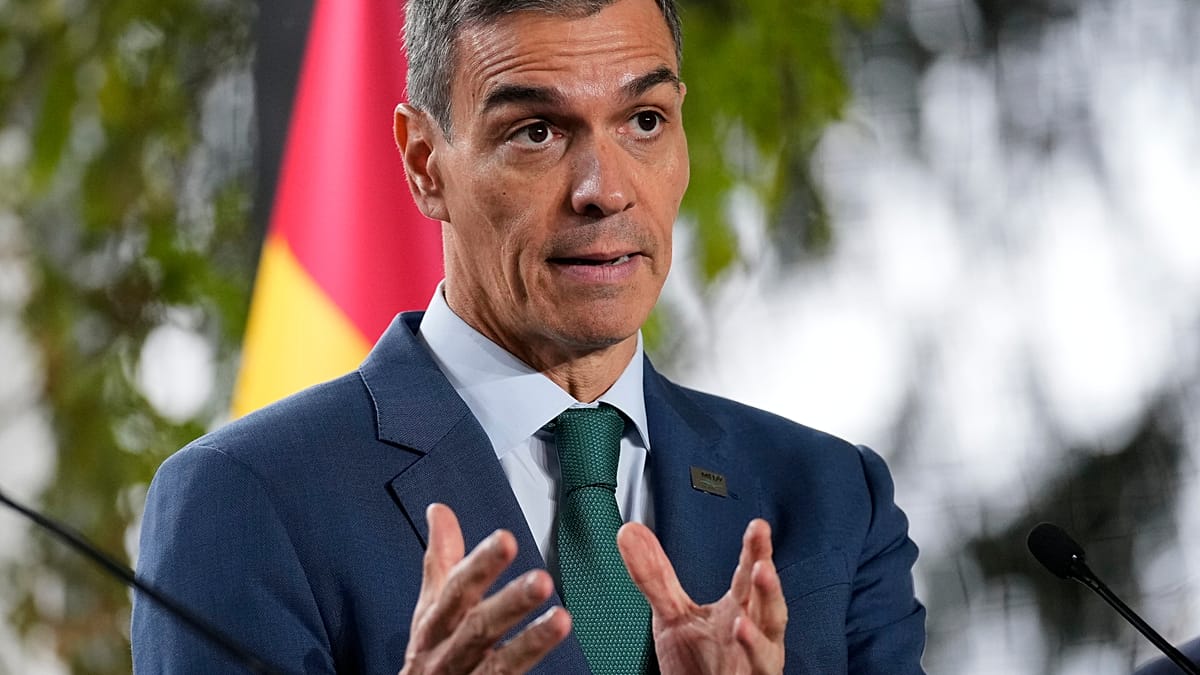
Spanish Prime Minister Pedro Sánchez has called a snap general election for 29 November, a high-stakes gamble that follows the defeat of his housing decrees in Congress and mounting public anger over soaring rents and living costs. The announcement came as tens of thousands of protesters gathered in Madrid and other cities, demanding urgent action on housing affordability.
The vote will take place against a backdrop of political turbulence, with Sánchez's minority coalition already weakened by parliamentary defeats and ongoing scrutiny over the migrant crisis in Ceuta, the Spanish enclave on Morocco's coast. The government's inability to push through key legislation has raised questions about its viability, prompting Sánchez to seek a fresh mandate.
A gamble with European consequences
Javier Carbonell, Deputy Director of the Future Policy Lab at the European Policy Centre in Brussels, said the snap election could have significant implications for EU affairs. "Spain has been a key player in European debates on energy, migration, and fiscal rules. A change in government could shift the balance of power in the European Council, particularly on issues where Spain has aligned with France and Germany," Carbonell noted.
Analysts point out that Sánchez's decision is partly a response to the failure of his housing package, which included rent controls and incentives for affordable construction. The decrees were rejected by Congress, reflecting deep divisions within his own coalition and the opposition's refusal to back the measures. The housing crisis has become a defining issue for many Europeans, with house prices rising by more than 60% over the past decade, according to data to be discussed in the European Parliament.
MEPs are set to debate the continent's housing crisis today, with many calling for a coordinated EU strategy to tackle affordability. Sorcha Edwards, Secretary General of Housing Europe, said the situation is unsustainable. "We are seeing a generation locked out of homeownership, and even renting is becoming impossible in many cities. This is not just a Spanish problem; it is a European emergency," she said.
The snap election also comes as Spain's economy shows signs of a growth paradox, with strong GDP figures masking deep inequalities and inflationary pressures. The housing market has become a flashpoint, with young people and low-income families bearing the brunt of rising costs.
French students take to the streets again
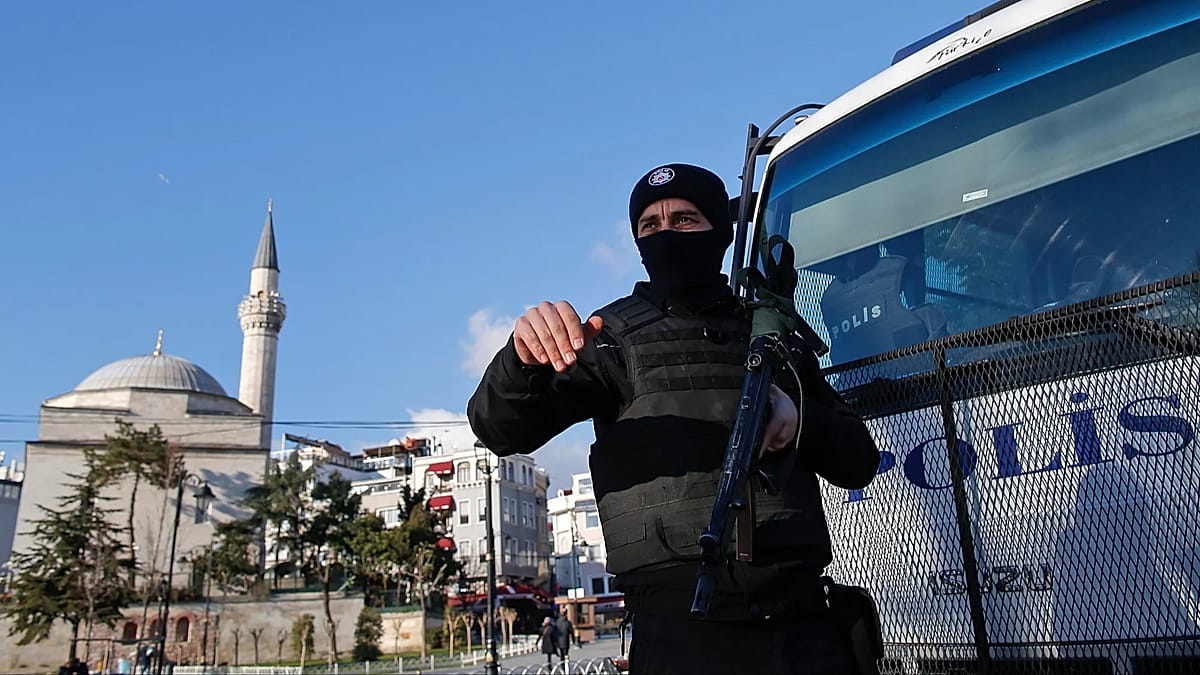
In France, students are mobilizing for another major day of protests, demanding better conditions in overcrowded classrooms, more teachers, and increased resources for public education. The movement has gained momentum in recent weeks, with demonstrations in Paris, Marseille, and Lille. In some cases, clashes with police have erupted, and a school entrance in Paris was set ablaze ahead of the nationwide protest.
Our Paris correspondent Estelle Nilsson-Julien reports that students are frustrated with chronic underfunding and a shortage of qualified staff. "We are studying in conditions that are not conducive to learning. Classes are packed, and teachers are burned out," said one student activist. The protests have drawn support from teachers' unions and left-wing parties, who accuse the government of neglecting public education.
The French government has defended its education budget, but critics argue that years of austerity have taken a toll. The protests are expected to escalate, with more demonstrations planned in the coming weeks.
Meanwhile, the European Parliament is also addressing the rise of AI deepfakes, a growing concern for democracies across the continent. Lawmakers are considering new regulations to combat disinformation and protect electoral integrity. The debate comes as Russian disinformation campaigns have been detected targeting voters in the Baltic states, highlighting the need for robust safeguards.
As Spain prepares for its snap election, the outcome will be closely watched across Europe. A shift to the right could alter the EU's political balance, affecting policies on migration, climate, and fiscal discipline. For now, Sánchez is betting that voters will reward his bold move, but the road to 29 November is fraught with uncertainty.