Spain fell silent on Wednesday as the nation paid tribute to the 69 people killed in a high-speed train collision near Toledo. The accident, which occurred on Tuesday afternoon, has plunged the country into mourning and raised urgent questions about rail safety.
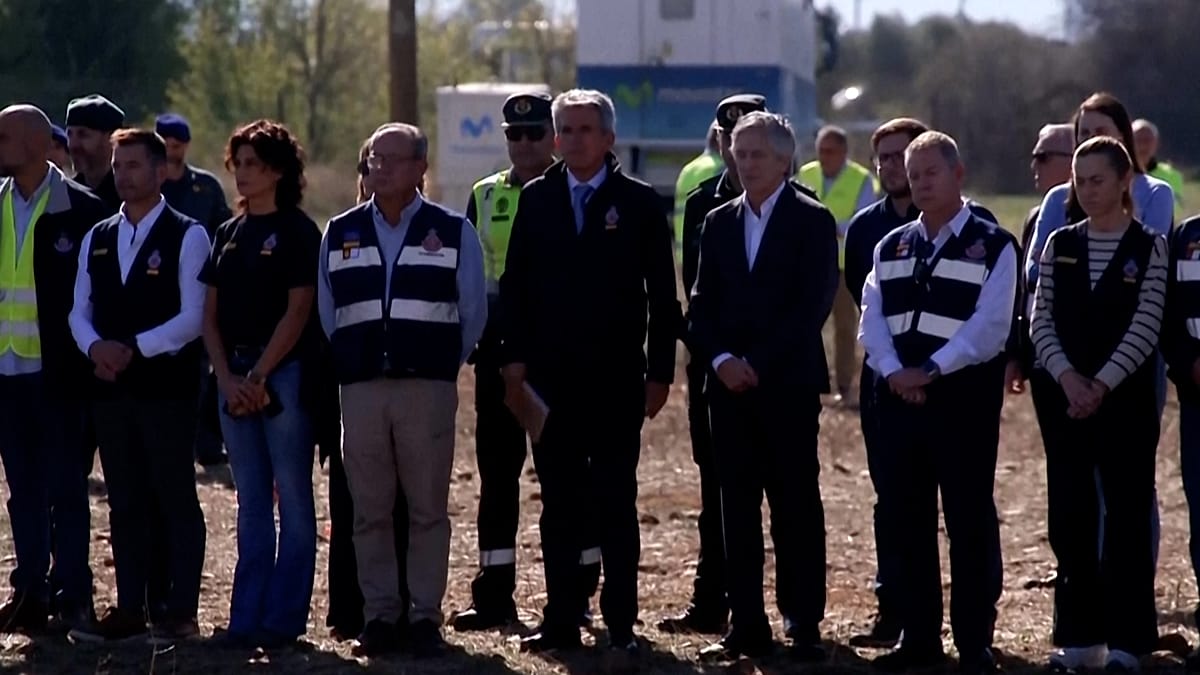
At the crash site, emergency workers paused for a minute of silence alongside relatives and local residents. In Madrid, government buildings lowered flags to half-mast, and similar tributes were held in towns and cities across the country.
King visits survivors
King Felipe VI travelled to a hospital in the region to visit some of the injured, many of whom remain in serious condition. The monarch spoke with medical staff and conveyed his condolences to families of the victims. Queen Letizia accompanied him, and both spent time with survivors and their relatives.
The collision involved a high-speed train carrying more than 200 passengers and a slower regional service. The impact derailed several carriages, leaving a scene of twisted metal and debris that rescue teams have been combing through overnight. Cranes have been brought in to lift wreckage as workers search for any remaining victims.
According to initial reports, the high-speed train was travelling at reduced speed when it struck the other train near a junction. Investigators are focusing on signalling and communication between the Madrid control centre and the drivers. The Madrid control centre has come under scrutiny as part of the official inquiry.
Prime Minister Pedro Sánchez, who visited the site on Tuesday, has promised a thorough investigation. He said the government would take tough action if safety failures are found to have caused the disaster. “We owe it to the victims and their families to establish exactly what happened,” he told reporters.
The tragedy has also cast a shadow over Sánchez’s political calendar. With a general election expected in the coming months, the opposition has already begun questioning the government’s record on infrastructure investment. Analysts suggest the political fallout could weigh on the prime minister’s campaign.
This is Spain’s second deadly high-speed rail accident in less than a year. In July 2013, a train derailed near Santiago de Compostela, killing 79 people. That incident led to reforms in driver training and signalling, but Tuesday’s crash has reignited concerns about the safety of the country’s extensive high-speed network.
European rail safety standards are among the strictest in the world, yet accidents like this highlight persistent vulnerabilities. The European Union Agency for Railways has called for greater harmonisation of safety protocols across member states. Spain’s rail operator, Renfe, and infrastructure manager Adif have both pledged full cooperation with the investigation.
As rescue operations continue, the focus is shifting to the families of the victims. A national day of mourning has been declared for Thursday, with further ceremonies planned. The second high-speed rail disaster in nine months has left the country in shock, and questions are mounting over whether enough is being done to prevent such tragedies.
For now, the immediate priority remains the search for the missing and the care of the injured. But as the investigation unfolds, Spain will be forced to confront deeper issues about the safety of its rail network and the accountability of those responsible for its operation.