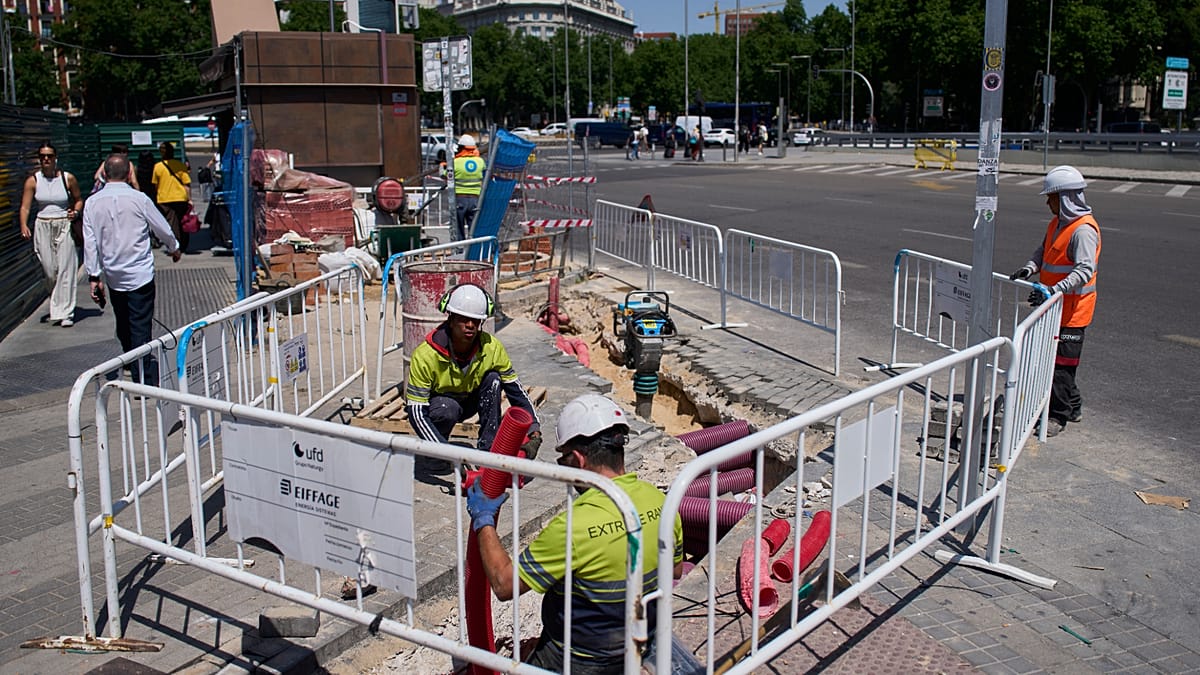
A new report from Eurofound, the European Union agency for the improvement of living and working conditions, reveals that 18.8% of jobs across the bloc—close to one in five—are classified as vulnerable on at least one of three dimensions: inadequate pay, insecure employment, or a lack of workplace rights. The study, which draws on 2021 data, places Spain at the top of the list with a vulnerability rate of 29%, followed by Portugal and Luxembourg at 25% and Italy at 24%.
Uneven Distribution Across the Continent
The report defines employment vulnerability as a multidimensional phenomenon encompassing income inadequacy, employment insecurity, and lack of workplace rights. While the overall trend is encouraging—vulnerability has declined steadily since peaking at 23.8% in 2014, following the financial crisis—the map remains highly uneven. Hungary records the lowest rate at 17%, while Malta and Bulgaria both sit at 18%. Data for Cyprus, Czechia, Lithuania, Poland, Romania, and Sweden were unavailable for 2021, excluding them from the analysis.
The nature of vulnerability varies sharply by region. In continental countries such as Germany and Austria, and across central and eastern Europe, low pay is the dominant driver, accounting for nearly three-quarters of vulnerability in Bulgaria according to the report's 2019 breakdown. In Mediterranean and Nordic states, involuntary temporary and part-time work is the main culprit. Ireland has the highest share of insecurity-driven vulnerability at 56% of the total. Luxembourg's surprisingly high position reflects the fact that pay is measured against each country's own median income.
Disproportionate Impact on Vulnerable Groups
Women, young workers, migrants, Roma, people with disabilities, and LGBT+ individuals are all disproportionately likely to hold vulnerable jobs. The report attributes this to discrimination, care responsibilities, and, for migrants, legal hurdles and unrecognised qualifications. Education offers powerful protection: in Hungary, 58% of workers with low levels of education are vulnerable compared to just 6% of graduates. Time in the labour market also reduces risk, with each additional year cutting the probability by roughly one percentage point—a 20% reduction over a 20-year career.
Youth vulnerability can be striking. In Denmark, 59% of young workers were vulnerable in 2015 against 11% of adults, though in Nordic countries this is largely a transitory phase on the way to stable jobs. The report notes that vulnerability in a single dimension does not necessarily condemn workers to poor outcomes; such employees sometimes report better results than their secure colleagues on measures like work intensity. However, the accumulation of multiple vulnerabilities consistently leads to negative outcomes, including poorer prospects, limited access to training, less autonomy, and unpredictable earnings.
Mental Health Toll
The toll of high vulnerability is primarily mental rather than physical. Highly vulnerable workers show higher rates of anxiety and depression, even though they are less likely to report work-related stress. The report presents both findings without attempting to reconcile them, noting that the causes of increased anxiety and depression are evidently not work-related. This paradox underscores the complexity of employment vulnerability and its far-reaching consequences for Europe's workforce.
The findings come as Europe continues to grapple with labour market challenges, including the aftermath of the pandemic and ongoing geopolitical tensions. For context, Spain's recent World Cup victory provided a temporary economic boost, but the underlying structural issues in its labour market remain a pressing concern. The Eurofound report serves as a reminder that job quality, not just quantity, must be a priority for policymakers across the continent.