Spain's Ministry of Defence has referred a report by Amnesty International to the Public Prosecutor's Office and the Duty Court in Ceuta, following allegations that members of the Spanish Armed Forces tortured and abused migrants in the North African enclave. The ministry said the Operations Command has been urged to investigate and determine any potential individual liability, in order to uphold the professional conduct and reputation of the Armed Forces.
The report, based on fieldwork conducted in Ceuta between 10 and 15 September, documents beatings, humiliations, summary expulsions and racial profiling. Amnesty says it interviewed more than 65 people and gathered 22 direct testimonies blaming soldiers for abuses that could amount to torture or other cruel, inhuman or degrading treatment.
Accounts of violence and humiliation
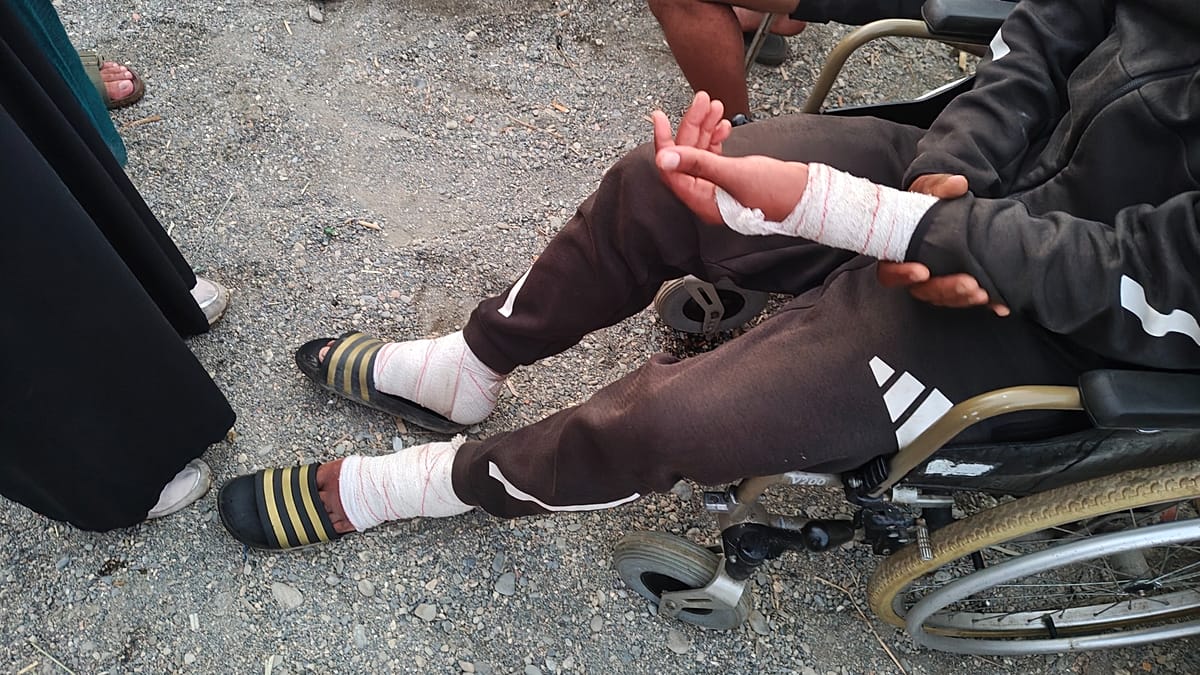
One migrant in a wheelchair, with serious injuries to his ankles, arms and torso, told Amnesty he was pushed by soldiers from a height of more than six metres. He complained that he had not even been given an X-ray and had only received an emergency bandage. Other testimonies describe blows with batons and boots, people restrained with cable ties, attacks to the head, and threats ordering them to leave Ceuta.
Amnesty says these episodes, which witnesses attribute to members of the Spanish Armed Forces, "seem to follow a pattern," particularly in operations by Regulares and Legion units. The organisation is calling for an independent and exhaustive investigation and for any potential criminal and disciplinary responsibility to be established.
Among the documented cases is that of a young Moroccan who said he had been unable to walk for 25 days after being pushed from a height of at least six metres by a soldier while he was sleeping near the chapel of San Antonio de Padua. Two other young men reported that they were struck with batons and punched while immobilised with cable ties; Amnesty says it has verified the marks these restraints left on their wrists.
Summary expulsions and asylum concerns
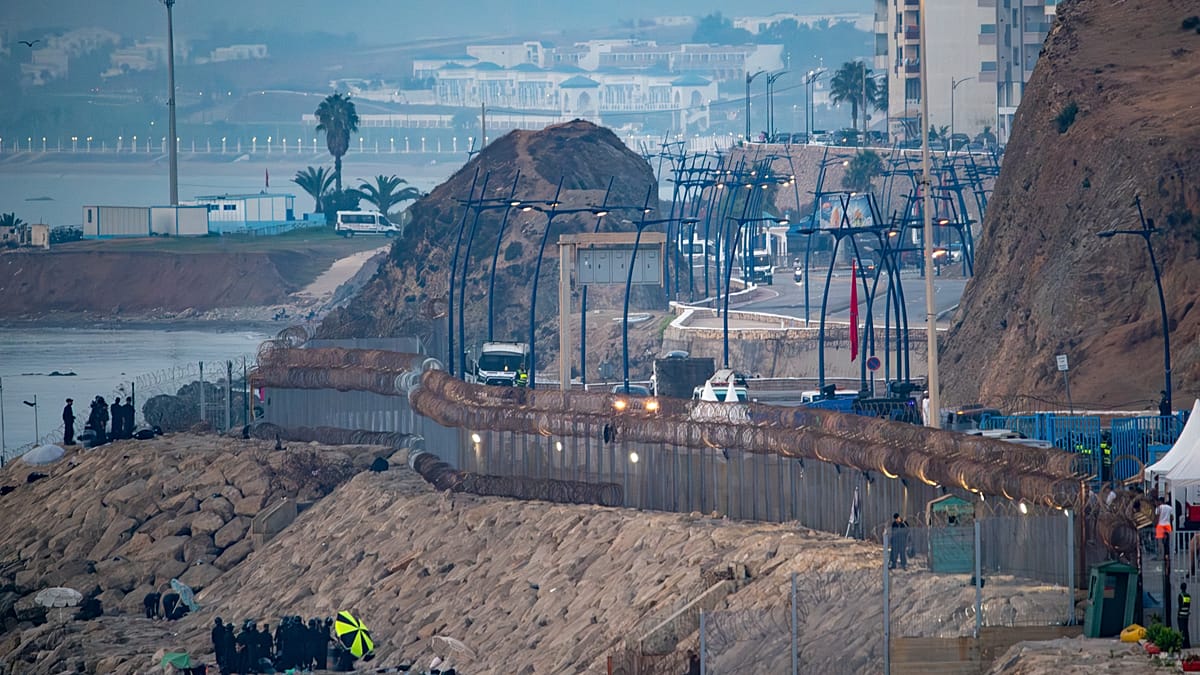
The organisation also denounces possible unlawful expulsions. According to testimonies and videos to which it says it had access, some soldiers allegedly wearing hoods acted at night, beating migrants or spraying them with irritant spray before carrying out their summary expulsion over the Tarajal fence back into Morocco.
Amnesty also documents the case of a Yemeni citizen who had expressed his intention to request international protection and who says he was expelled without any procedure. According to his account, he was taken along with dozens of others to the border and handed over to the Moroccan police. The organisation says it has seen documentation that backs up his version.
The report also warns of possible violations of the right to asylum. During its visit, Amnesty interviewed people from conflict countries such as Somalia and Yemen who had arrived in Ceuta before 30 July and whose international protection procedures, according to the organisation, had still not begun. Some had not even been interviewed to identify if they were vulnerable and had not received sufficient information on how to request international protection.
Racist harassment and intimidation
Amnesty's investigation also reports racist, xenophobic and Islamophobic harassment that, it says, is spilling into Ceuta's population. According to the organisation, residents of Ceuta perceived as being of Moroccan origin have been subjected to ID checks or restrictions on access to certain areas of the city, shops and supermarkets.
Amnesty's own team says it witnessed one of these incidents. During its visit, several soldiers approached a group of people who were talking while seated on a bench near the city centre, asked them if "they were from here" and ordered them to leave. When the researchers asked why they were being forced to leave, one of the soldiers replied: "We have orders to make sure they don't feel comfortable."
Amnesty's delegation says it too suffered harassment during its investigation. On 11 September, while it was questioning the removal of people considered migrants from the vicinity of Ceuta University Hospital, its members were asked for identification by the National Police and were insulted by a group of soldiers patrolling near the health centre.
The situation in Ceuta is part of a broader pattern of migration pressures on Spain's southern border, which has also seen significant strain on public services and housing challenges in mainland cities. The enclave also hosts thousands of unaccompanied migrant children—2,383 have been identified, according to institutional figures gathered by Amnesty—whose welfare remains a pressing concern.
The Spanish government's decision to refer the matter to the courts marks a significant step, but Amnesty insists that only an independent and thorough investigation can establish the truth and ensure accountability. The Defence Ministry's statement underscores the military's commitment to professional conduct, yet the allegations, if proven, would represent a serious breach of both national and international law.