The Royal Spanish Football Federation (RFEF) has announced a pioneering initiative to provide fertility treatments to female players, referees, and staff, aiming to give them greater control over their reproductive choices. The programme, unveiled this week, covers egg freezing, in vitro fertilisation (IVF), egg donation, and genetic testing for members of Spain's women's national team, including futsal, as well as referees and assistant referees in the top division and federation employees.
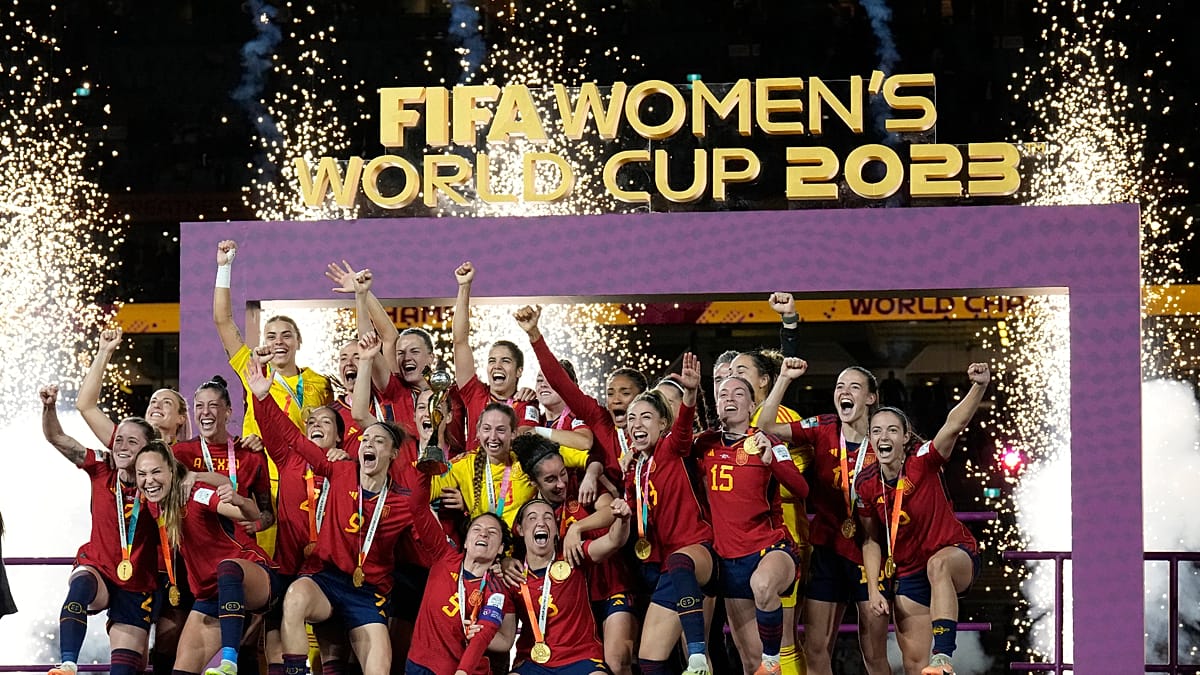
Spain's women's team, which won the FIFA Women's World Cup in 2023, has been at the forefront of a broader push for better conditions in women's football. The new measure is designed to allow athletes to plan their careers and family lives without the pressure of biological timelines clashing with professional demands.
"If Spain and its national teams are the best in the world on the field, they must also be the best in matters such as work-life balance," said Rafael Louzán, president of the RFEF. The agreement, which runs until spring 2029, will provide access to reproductive, physical, and mental health resources, according to Reyes Bellver, the RFEF's director of women's football. Bellver said the goal was "adding up and elevating" efforts to support female athletes.
The initiative comes as Europe grapples with the lowest fertility rates in more than six decades. The number of live births per woman across the continent has dropped from 2.62 in 1964 to 1.34 in 2024, a decline that has sparked policy debates from Madrid to Berlin. While the RFEF's move is primarily about athlete welfare, it also reflects a broader societal concern about reproductive choice and demographic trends.
Reducing pressure on athletes
For elite athletes, the timing of motherhood can be particularly challenging. Training schedules, competitions, and the physical demands of sport often conflict with the optimal biological window for having children. Alicia Espinosa, a referee, welcomed the initiative, saying it would allow athletes to make better-informed choices with "less pressure."
The federation has partnered with Tambre, a fertility clinic group, to deliver the services. Inge Kormelink, CEO of Tambre, said the collaboration would "provide rigorous medical information and specialized support so that all female athletes can freely and without pressure decide whether to become mothers now, later, or never."
The programme builds on other measures introduced by the RFEF to improve work-life balance, including provisions in senior national team competitions for players with children. These steps are part of a wider effort to professionalise women's football in Spain, which has seen significant investment since the World Cup triumph.
Spain's approach is being watched closely across Europe, where several countries are exploring ways to support working mothers and address declining birth rates. While the RFEF's initiative is specific to football, it highlights the role that employers—including sports federations—can play in easing the trade-offs between career and family.
Critics, however, might argue that such measures, while welcome, do not address the structural barriers that many women face, such as childcare costs and workplace discrimination. Still, the RFEF's move is a notable step in a sport where female athletes have long fought for equal treatment.
As Europe's fertility rates continue to fall, initiatives like this one may become more common, not just in sports but across industries. For now, Spain's footballers and referees have a new option that could change the course of their careers and personal lives.