Spain's Ministry of Health has introduced a new pillar in its reform of the medical Framework Statute, a long-contested document that has sparked strikes and criticism from across the political spectrum. The latest proposals focus on the working conditions of MIR trainee doctors—medical residents—who have long been a backbone of the country's hospital system, often working grueling hours for modest pay.
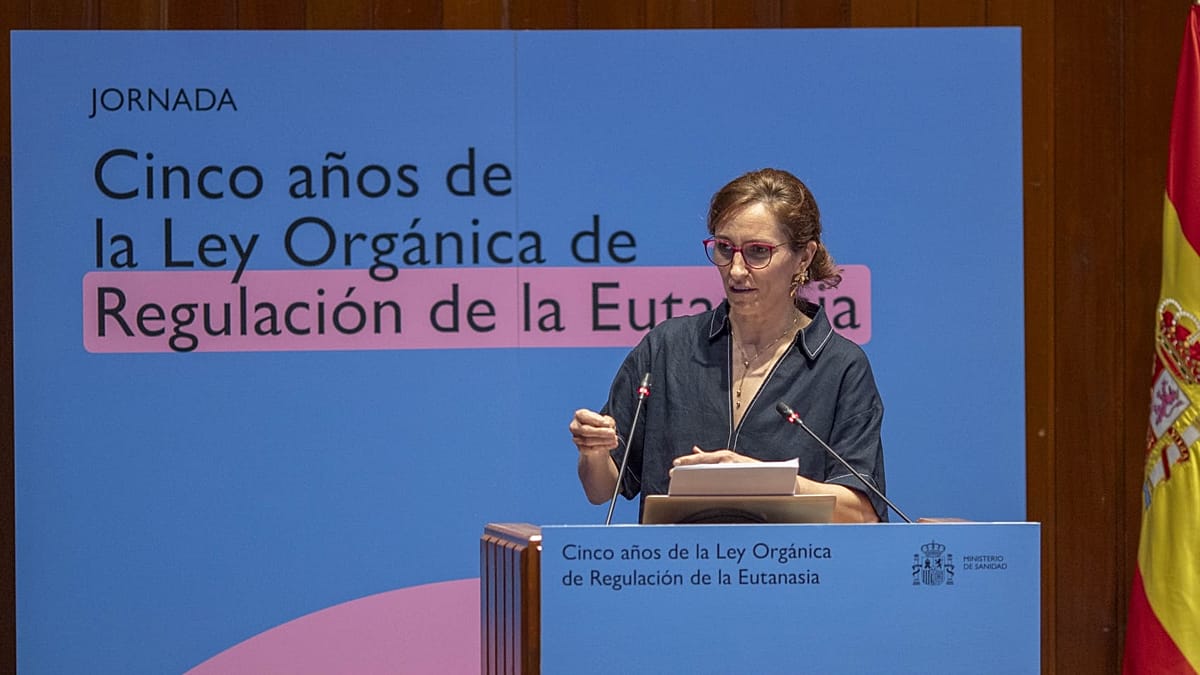
Health Minister Mónica García, an anaesthetist and member of the left-wing Sumar party, announced the changes as she prepares to run as Más Madrid's candidate for the Madrid regional presidency. The draft bill, still awaiting approval in the Congress of Deputies, aims to cap 24-hour on-call shifts at a maximum of 17 hours, with no more than four such shifts per month—totaling 68 hours—and to prohibit residents from working a standard day immediately after an on-call shift. Regular working hours would be set at 35 per week, pay supplements would increase with years of experience, and residents would be informed of their rotations two months in advance.
Medical sources, however, caution that the two-month rotation notice may be impractical. In many hospital departments, senior doctors themselves do not know their schedules that far ahead. If enforced, they argue, it would fundamentally alter daily operations in large hospitals, which currently rely on the overuse—and some say exploitation—of residents. It could also create unequal conditions between senior professionals and trainees, as the latter would gain predictability while consultants remain on uncertain rosters.
Loopholes and Service Needs
The proposal contains a significant caveat: the ministry mandates at least 12 continuous hours between shifts, but adds that if the service requires it, this requirement can be waived, provided the professional is compensated within 14 days. This exception, embedded in the current Framework Statute and carried over into the new draft, worries many doctors. They argue that vague references to “service needs” allow managers to override guaranteed conditions, perpetuating the very precariousness the reform is meant to address.
Article 97 of the draft bill states that if adequate continuity of care cannot be ensured, and “as long as there are organisational or care-related reasons that justify it, the maximum length” of the working day “may be exceeded.” Critics see this as a loophole that could render the new limits meaningless in practice.
Beyond the on-call rules, professionals are calling for measures not included in García’s reform. They want on-call shifts to count toward Social Security contributions, and an additional allowance for night work or rest days after consecutive shifts—similar to provisions in collective agreements for the National Police. They also demand the creation of a specific professional category for doctors, a guaranteed 35-hour workweek (which García now promises for residents but not for all specialists), and that any extra work be voluntary and paid. Early retirement options, both full and partial, and a ban on forced relocations are also on their wish list.
The MIR Spain Association (AME) acknowledged that the new rules on on-call shifts and rest periods, along with the proposed pay improvements, represent “a step forward.” However, the group deemed them “insufficient” to end the precarious situation of trainees. The association’s stance reflects a broader frustration across the sector, where many feel the reforms do not go far enough to address systemic issues.
The reform comes amid a wider European context of healthcare workforce strain. As WHO Europe Chief Urges Governments to Treat Extreme Heat as a Health Emergency, Spain’s hospitals face additional pressure from climate-related health crises. Meanwhile, the country’s health system, like many across the continent, struggles with staff shortages and burnout. The outcome of this legislative process will be closely watched by medical associations and policymakers in other EU member states grappling with similar challenges.