The eviction of 87-year-old María del Carmen Abascal, widely known as Maricarmen, from her long-time home in Madrid has become the latest flashpoint in Spain's housing access crisis. After renting the same property for roughly seven decades, she was removed by police on 23 September 2026, following a rent increase proposed by the new owner—from about €500 to €2,650 per month, later reduced to €1,650. The Sindicato de Inquilinas de Madrid, a tenants' union, had tried to halt the eviction, but to no avail. Maricarmen was taken to hospital after the ordeal.
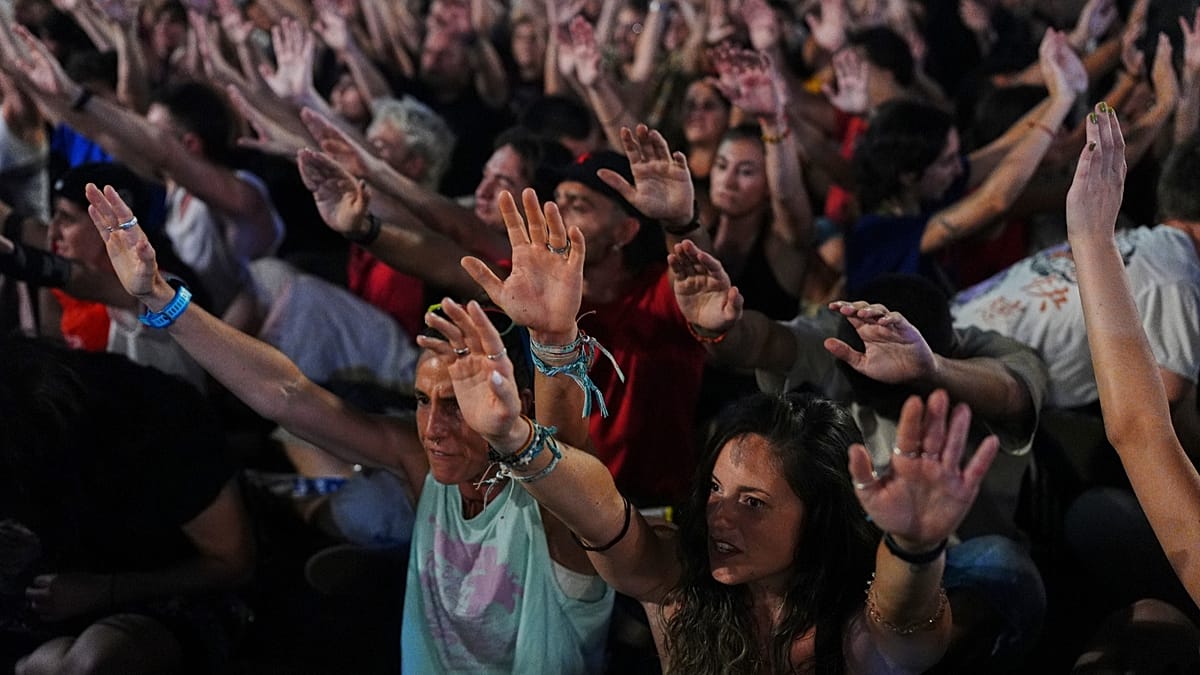
The images of her removal triggered protests that quickly spread beyond the capital, with demonstrations in cities like Granada and an encampment at Madrid's Puerta del Sol. But the intensity of the reaction cannot be explained by this single case alone. It reflects a broader economic pressure that has made housing one of the most urgent concerns for Spanish households.
Soaring prices and rents
Purchase prices are rising at double-digit rates. The Housing Price Index from Spain's National Statistics Institute (INE) recorded a 12.2% year-on-year increase in the second quarter of 2026. Second-hand homes, which dominate the market, rose even more—by 12.9%—while new-build properties increased by 7.4%. On a quarterly basis, prices climbed another 3.4%.
Rents are also climbing. According to the property portal Idealista, the average advertised rent reached €15.1 per square metre in August 2026, up 5.8% from a year earlier. These increases compound years of steady growth, meaning housing costs now absorb a large share of many households' income, especially among renters. INE data for 2024 show that 28.1% of market-rate tenants were spending more than 40% of their disposable income on housing, compared with the EU average of 19.2%.
Why are prices so high?
Experts point to a fundamental imbalance: in the areas where people most want to live, not enough homes are being built to meet demand. Spain's population and household formation continue to grow, but housebuilding remains far below pre-2008 levels. The Bank of Spain has repeatedly highlighted this supply shortfall as a key driver, particularly in economically dynamic regions like Madrid, Barcelona, the islands, and much of the Mediterranean coast.
This is not a uniform shortage across the country. Many municipalities have stagnant populations and empty properties. But an empty home in a rural town does little to ease the pressure in Málaga, Palma, or the capital. The mismatch between where homes exist and where they are needed is central to the crisis.
Why not just build more?
The legacy of Spain's property bubble and bust is part of the answer. Before 2008, cheap credit fueled a massive construction boom. When the bubble burst, developers vanished, banks struggled, and building activity collapsed. Although residential construction has recovered, it remains far below those boom-era levels. The Bank of Spain notes that new housing production is still moderate compared with previous cycles, and the deficit is concentrated in specific areas.
Building also takes time. Rezoning, planning permission, financing, and construction can stretch over years. When a city's population grows rapidly, the housing stock responds slowly, intensifying competition for existing properties and pushing up prices.
Concentration of ownership
Another factor is the growing concentration of rental housing. A report by the Ministerio de Consumo and the CSIC found that only 39% of regular rental homes are owned by individuals with a single property. The remaining 61% belong to multi-landlords, legal entities, companies, funds, and public bodies. Among private landlords, 52.8% of rented homes are held by owners with two or more properties.
This concentration is most pronounced in expensive cities: in Barcelona, 60.8% of individually rented homes are owned by multi-landlords; in Madrid, 56.4%; and in Valencia, 55%. The stock held by multi-landlords has also grown faster than that of small owners, according to the report.
The protests have put political pressure on the government. Prime Minister Pedro Sánchez has pledged a new housing decree, but the crisis is deeply entrenched. As the encampment at Puerta del Sol shows, housing has moved to the centre of Spanish politics. The question is whether any measure can quickly ease the burden on tenants and would-be buyers.