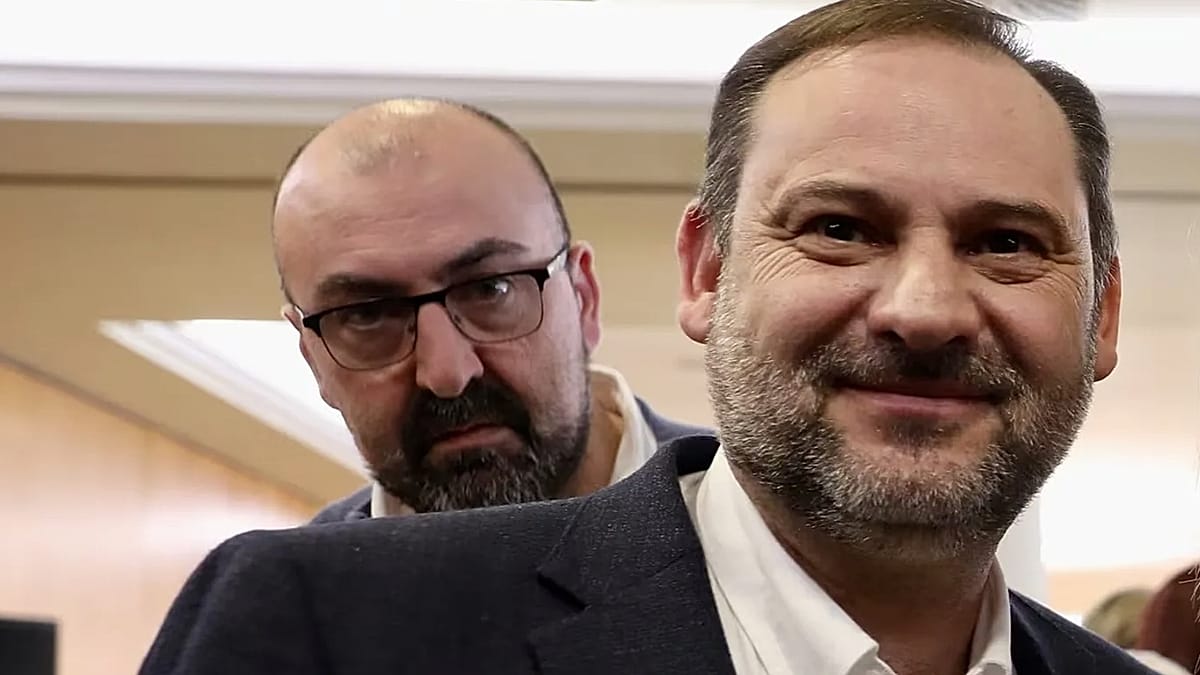
Spain's Supreme Court has handed down a landmark corruption verdict, sentencing former Transport Minister José Luis Ábalos to 24 years in prison for his involvement in a scheme that exploited COVID-19 face mask contracts. The ruling, delivered unanimously by a seven-judge panel, also convicted Ábalos's former aide Koldo García to 19 years and businessman Víctor de Aldama to four and a half years.
The court found that the three men operated as a criminal organisation with clearly defined roles, aimed at securing financial benefits through corrupt practices. Ábalos and García were found guilty of participation in a criminal organisation, bribery, embezzlement of public funds, and influence peddling. The scheme centred on the award of contracts for 13 million face masks to state-owned entities Puertos del Estado and railway infrastructure operator Adif, channelled through a company linked to Aldama during the most acute phase of the pandemic.
Benefits and Real-Estate Ties
According to the judgment, Ábalos received a monthly payment of €10,000 for what were described as his “fixed expenses,” along with the payment of housing costs for a person in his inner circle. The court also found that two women connected to the former minister were hired at public companies overseen by the Transport Ministry. Several real-estate transactions were linked to the scheme, including a rent-to-buy agreement between Aldama and Ábalos for a property in Madrid, as well as similar arrangements involving homes in Marbella and La Línea de la Concepción. The court connected these operations to efforts on behalf of business interests, including actions related to the publication of a statement concerning the government-backed rescue of airline Air Europa and the granting of a hydrocarbons licence.
The verdict is a significant political blow for Prime Minister Pedro Sánchez, even though he was not accused in the case. Ábalos was one of Sánchez's closest allies during the Socialist leader's rise to power, serving both as Transport Minister and as the PSOE's powerful organisation secretary—a role overseeing the party's internal structure and election machinery. The conviction comes as Sánchez faces mounting pressure from opposition parties over a series of separate corruption investigations involving current and former figures linked to his political and personal circle. While the cases are distinct and no court has implicated the Prime Minister personally in wrongdoing, opponents have argued that they point to broader governance and accountability problems within the governing Socialist Party.
This is the first major final conviction involving a former senior member of Sánchez's administration, and it is likely to intensify political scrutiny of the government. The opposition has repeatedly called on Sánchez to take political responsibility for scandals involving former allies and associates. The ruling also resonates beyond Spain, as it underscores the challenges of maintaining public trust in institutions during and after the pandemic—a theme that has echoed across Europe. For context, similar corruption probes have emerged in other EU member states, highlighting the need for robust oversight of emergency spending. Meanwhile, the European Union continues to grapple with broader governance issues, as seen in Moldova's EU accession and Transnistria settlement processes, which require transparent institutions.
The case also draws attention to the role of state-owned enterprises in crisis management. In Spain, the contracts awarded by Puertos del Estado and Adif were meant to ensure the rapid supply of essential protective equipment. Instead, they became a vehicle for personal enrichment. The court's detailed findings—including the monthly payments and real-estate deals—paint a picture of systematic abuse of power. As the country moves forward, the verdict may prompt calls for stricter procurement rules and greater accountability for public officials, especially in times of emergency.
For Sánchez, the political fallout is immediate. The opposition is likely to use the conviction to question the integrity of his government, even as he insists on his own innocence. The case also feeds into a broader narrative of political corruption in Spain, which has seen several high-profile scandals in recent years. Whether this leads to lasting reforms or merely fuels partisan attacks remains to be seen. But for now, the Supreme Court's decision stands as a stark reminder of the consequences when public trust is betrayed.