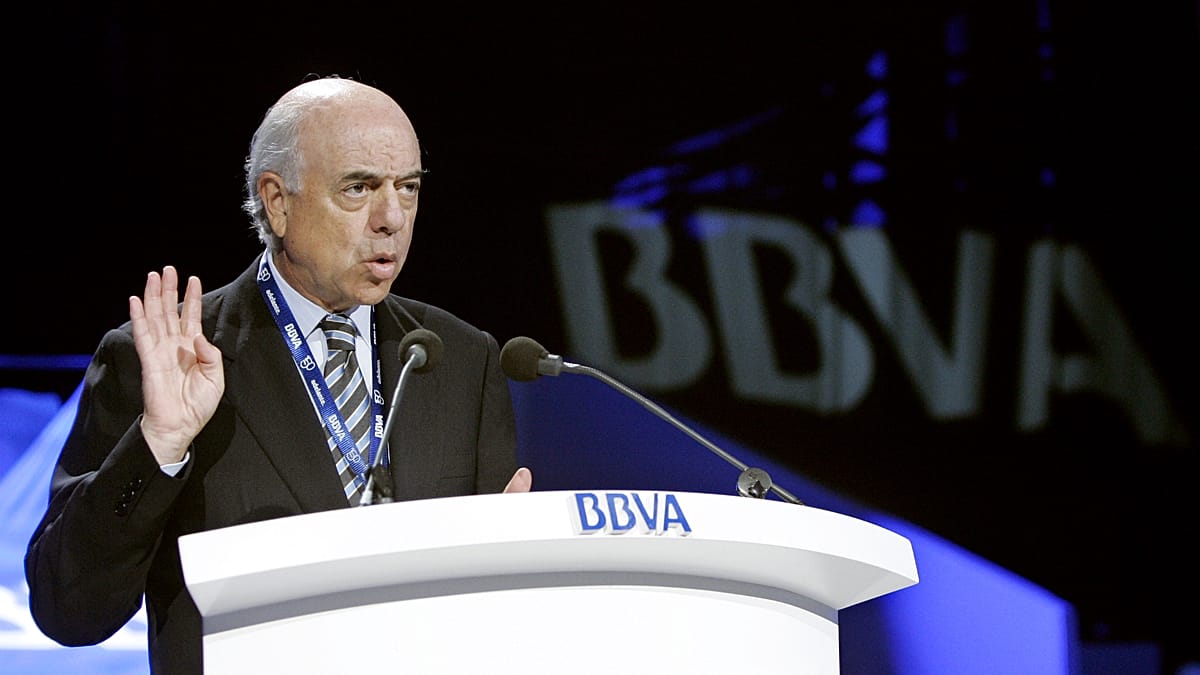
Spain's National Court has ordered BBVA, its former chairman Francisco González, and 14 other individuals to stand trial over allegations of illegal contracts awarded to former police commissioner José Manuel Villarejo between 2004 and 2016. Judge Antonio Piña's ruling marks a significant escalation in one of the country's most high-profile corporate corruption cases.
The bank faces one count of bribery and 52 counts of unlawful discovery and disclosure of secrets. Judge Piña has set a bond of €1.17 million to cover potential civil liabilities, giving the defendants ten days to submit their defence briefs.
Charges and Prosecution Demands
Francisco González will be tried for alleged offences including bribery, disclosure of secrets, membership of a criminal organisation, mismanagement, and falsification of documents. Several former BBVA executives and former police commanders linked to Villarejo will also face trial alongside him.
The Anti-Corruption Prosecutor's Office is seeking 173 years in prison for González, while requesting 216 years for Villarejo and 243 years for the bank's former head of security, Julio Corrochano. These figures underscore the severity of the allegations, which prosecutors say involved a systematic scheme to obtain confidential information through illicit payments.
According to prosecutors, the hiring of the company Cenyt, which is linked to Villarejo, was authorised by the bank's top management and carried out outside internal procedures. The case has drawn comparisons to other European corporate scandals, such as the EU's recent efforts to regulate Big Tech, though the focus here is on alleged criminal conduct within a major financial institution.
BBVA maintains that the events under investigation do not make the bank criminally liable for any offence. The bank has previously stated that it has cooperated fully with the judicial process and that the alleged actions were the work of individuals acting outside company policy.
The trial is expected to shed light on the extent of Villarejo's network, which has been linked to numerous high-profile figures in Spanish business and politics. Villarejo, a former police commissioner, has been at the centre of multiple investigations into illegal surveillance and bribery, with his activities spanning over a decade.
This case also highlights broader issues of corporate governance and accountability in Europe. Similar scandals have emerged in other member states, such as the recent international police operation that netted 28 arrests in a dark web child abuse crackdown, demonstrating the continent's ongoing struggle with organised crime and corruption.
For BBVA, one of Spain's largest banks, the trial poses reputational risks and potential financial penalties. The outcome could influence how other European financial institutions approach compliance and oversight, particularly in dealings with external consultants and security firms.
The National Court's decision to proceed with the trial reflects a broader judicial push in Spain to hold powerful individuals and corporations accountable. As the case unfolds, it will be closely watched by legal experts, investors, and policymakers across the European Union.