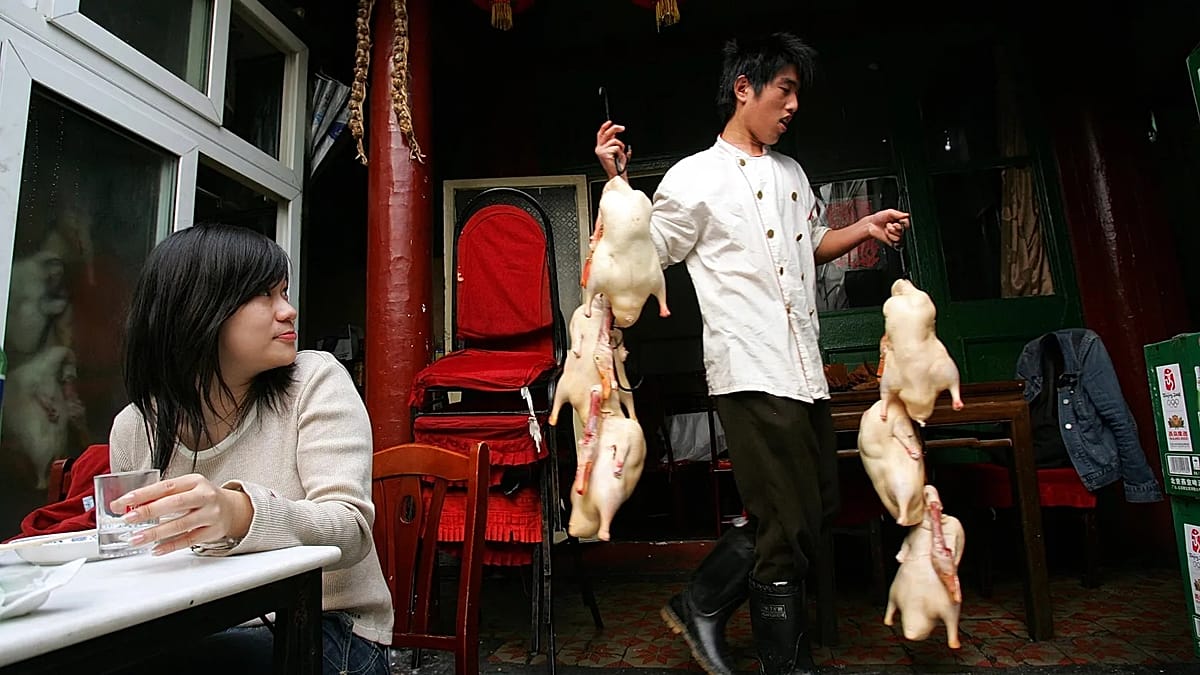
The European Commission announced on Thursday that it has initiated an anti-subsidy investigation into imports of Pekin duck from China, following a complaint from five EU producers who claim that Chinese state support is allowing artificially low prices that damage the European poultry sector.
The probe focuses on allegations that China's five-year plan for agricultural modernisation provides unfair subsidies to domestic duck producers, enabling them to undercut EU farmers. The Commission stated that the volume and pricing of these imports have had a "negative impact on the quantities sold, the level of prices charged and market share held by the Union industry," leading to "substantial adverse effects on the overall performance" of the sector.
Trade Talks Under Strain
The investigation comes at a delicate moment in EU-China relations. Just last week, EU Trade Commissioner Maroš Šefčovič met his Chinese counterpart, Wang Wentao, in Brussels to launch negotiations aimed at addressing trade imbalances and restoring a level playing field. Brussels has described the current trade deficit—amounting to roughly €1 billion per day—as "unsustainable."
However, the duck probe marks the first time the EU has targeted China's agricultural sector in this manner, and it risks derailing the nascent dialogue. Beijing has previously threatened retaliation over several EU legislative proposals, including measures to restrict access to EU public procurement and impose stricter conditions on foreign investment.
The EU already imposed tariffs on Chinese electric vehicles in 2024, a move that triggered Chinese investigations and sanctions on EU brandy, pork, and dairy products. The new duck investigation could further escalate tensions, as China views access to the European market as crucial for its agricultural exports.
If the Commission's investigation confirms the allegations, it could result in the imposition of anti-dumping duties on Chinese Pekin duck imports. Such duties are among the EU's primary trade defence instruments against what Brussels sees as China's aggressive market expansion. In June, EU leaders gave the Commission a mandate to step up efforts to reduce the trade deficit and review its trade defence tools, while pursuing a dialogue with Beijing that delivers tangible results.
The outcome of the probe will be closely watched by EU member states, particularly those with significant poultry industries, such as France, Poland, and the Netherlands. The case also highlights the broader challenge the EU faces in balancing its economic interests with its strategic autonomy, a theme that resonates across other trade disputes, including the ongoing debate over imports from Israeli settlements.
As the investigation proceeds, the EU will need to navigate the fine line between protecting its domestic industries and maintaining a constructive dialogue with Beijing. The coming weeks will reveal whether the duck probe becomes a stumbling block or a catalyst for more balanced trade relations.