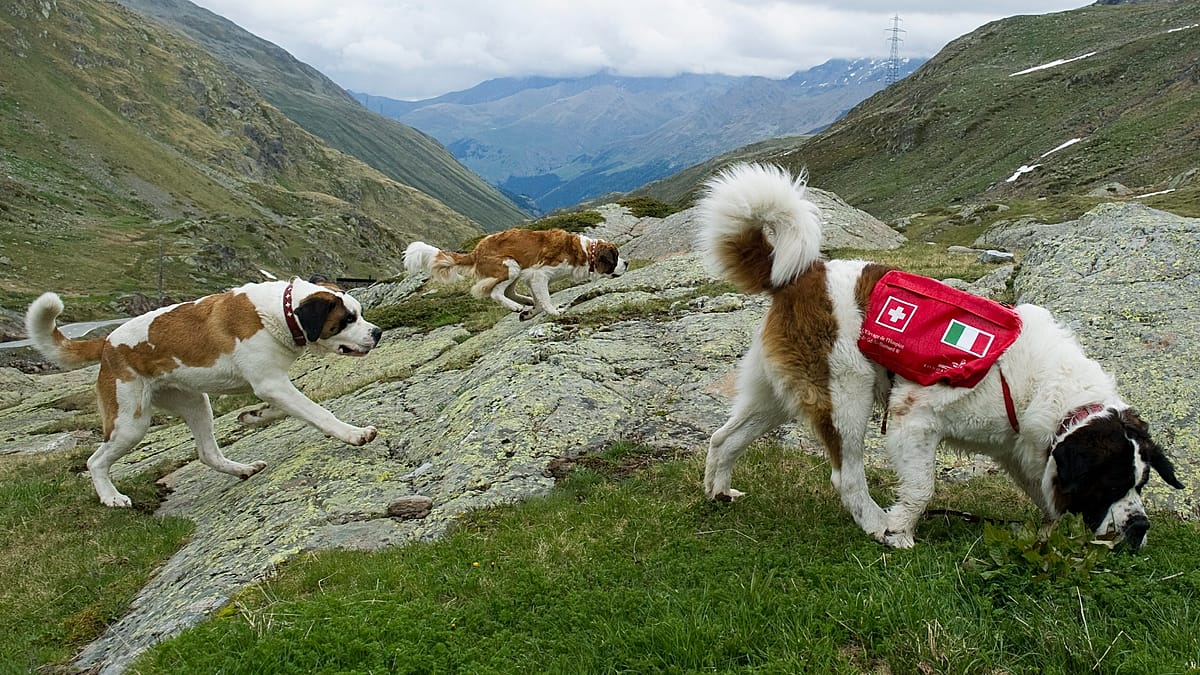
High in the Swiss Alps, where snow can linger well into spring, the legendary St. Bernard dogs continue their centuries-old patrol of the mountain trails. At the Great St. Bernard Pass, straddling the border between Switzerland and Italy, the Barry Foundation now maintains a kennel of 32 dogs, preserving a breed whose reputation as Alpine rescuers was forged in the harsh winters of the 17th and 18th centuries.
The dogs are no longer called upon for full-scale rescue operations—modern helicopters and GPS have taken over that role—but they still accompany hikers and skiers on the trails, serving as living links to a storied past. The foundation also deploys them for animal-assisted visits to hospitals, schools, and care homes across the canton of Valais and beyond, a quieter but equally valuable mission.
Barryland: A Year of Celebrating Alpine Heritage
Meanwhile, in the town of Martigny, Barryland—the world's only theme park dedicated to the St. Bernard breed—is celebrating its first anniversary. Since opening, the park has drawn around 135,000 visitors, offering interactive exhibits that trace the dogs' evolution from monastery companions to international icons. Displays include historical rescue equipment, archival photographs, and a reproduction of the famous hospice at the pass where the dogs were first bred by Augustinian monks.
The park's name honors Barry, perhaps the most celebrated St. Bernard of all, who reportedly saved more than 40 lives in the early 1800s. Barry's taxidermied remains are housed at the Natural History Museum in Bern, but his spirit pervades the exhibits in Martigny.
Switzerland's glaciers, which have been melting at record rates during recent European heatwaves, provide a stark backdrop to the story of these mountain dogs. The changing climate is altering the very landscape the St. Bernards once navigated in blizzard conditions, adding urgency to efforts to preserve both the breed and its heritage.
The Barry Foundation's work extends beyond tourism. It runs a breeding program to maintain genetic diversity and health in the breed, which is prone to hip dysplasia and other large-dog ailments. Puppies are socialized from birth to be calm around people, a trait essential for their therapy work.
Visitors to the Great St. Bernard Pass can still meet the dogs in summer, when the hospice opens its doors. The monks who once relied on the dogs for survival now share them with a global audience, a reminder that some traditions endure even as the world changes.
For those unable to make the Alpine trek, Barryland offers a year-round alternative. Its success—135,000 visitors in a region that sees heavy winter tourism—suggests a deep public appetite for connecting with Switzerland's cultural symbols. The park has also become a hub for research on canine behavior and history, collaborating with universities in Lausanne and Zurich.
As Europe's heatwaves accelerate ice loss in the Alps, the St. Bernard's story takes on new resonance. These dogs are not just relics; they are ambassadors for a fragile mountain ecosystem. The foundation's work, combining preservation with modern animal-assisted therapy, ensures that the breed remains relevant in a century far removed from its heroic origins.