For those fascinated by the Heroic Age of polar exploration, a new accommodation option on a modern expedition ship offers a tangible link to that era. HX Expeditions has introduced the 1896 Cabin aboard the MS Fridtjof Nansen, a limited-edition stateroom designed to evoke the atmosphere of a late-19th-century Arctic voyage.
The cabin marks the 130th anniversary of the DS Lofoten‘s departure from mainland Norway to Svalbard in 1896, widely considered the world’s first expedition cruise. While the ship itself is a contemporary vessel with all the amenities expected by today’s travelers, this single cabin has been meticulously styled to transport guests back to that pioneering era.
Design Details and Authentic Atmosphere
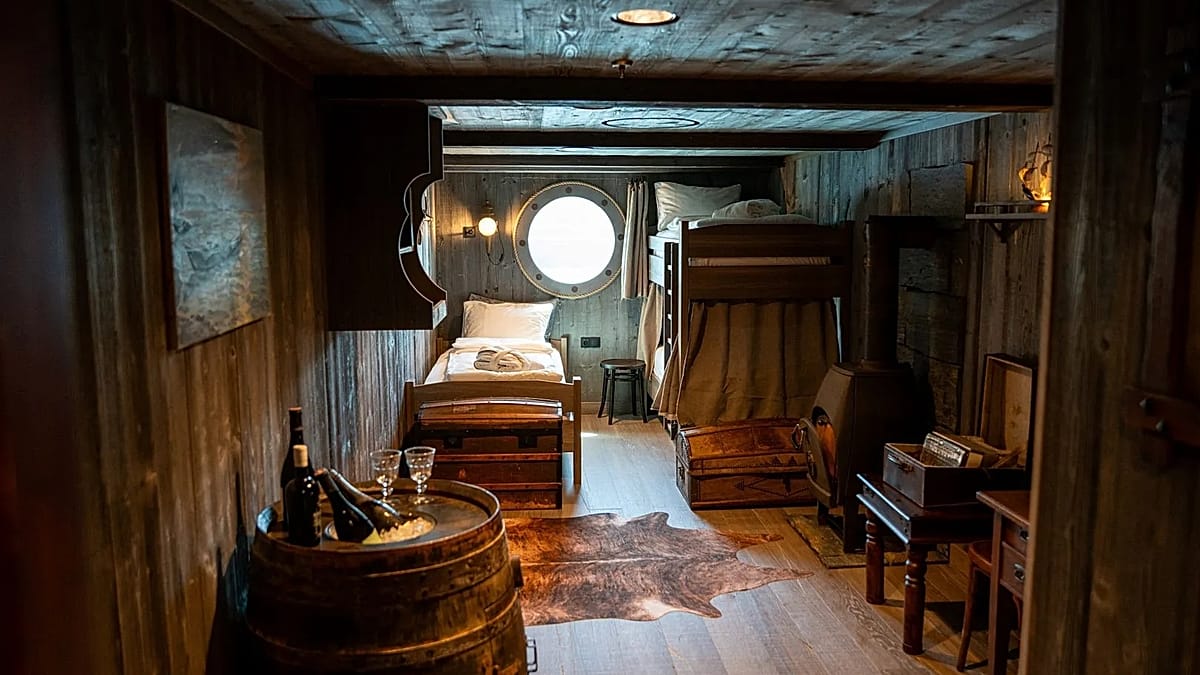
Every element of the 1896 Cabin has been curated to reflect the aesthetic of a bygone age. Wooden wall planks, ceiling beams, and flooring set the tone, complemented by vintage maritime décor, bunk beds, and wooden chests. Even the toilet seat is an old-fashioned wooden model. A hidden bar concealed within a barrel adds a touch of playful discovery.
The sensory experience extends to scent: a pod releases a blend of salt air and aged wood, reinforcing the illusion of stepping into a 19th-century explorer’s quarters. The cabin is available as an optional upgrade on MS Fridtjof Nansen voyages throughout 2026, priced at €100 per night per person. Guests can book it for one night per sailing via the HX app or onboard reception.
“This cabin was always meant to honour our origins, and sometimes the journey to create something meaningful mirrors the journeys we undertake at sea,” said Gebhard Rainer, CEO of HX Expeditions. “What our teams and partners have delivered is extraordinary. The 1896 Cabin is not just open – it’s surpassed everything we first envisioned. History, after all, is best remembered when lived.”
For those who do not secure a stay, the cabin will be open for viewing during each voyage. Historians onboard will also offer talks about HX’s early heritage, providing context for the ship’s route and the broader history of Arctic exploration.
The initiative taps into a growing interest in experiential travel that connects passengers with history and place. It also aligns with the broader trend of luxury cruise and rail combos gaining traction as travelers embrace slow tourism across Europe, where the journey itself becomes the destination.
While the 1896 Cabin is a niche offering, it reflects a deeper cultural fascination with polar exploration and the harsh beauty of the Arctic. The MS Fridtjof Nansen itself is named after the Norwegian explorer, scientist, and diplomat who led groundbreaking expeditions in the late 19th and early 20th centuries. The ship’s itineraries often trace routes that Nansen and his contemporaries charted, making the cabin a fitting homage.
For travelers who prefer a more rugged, off-grid experience, the concept of a remote cabin has also gained appeal elsewhere in Europe. A recent auction of an off-grid Scottish island with a cabin attracted significant interest, highlighting a parallel desire for solitude and connection with nature.
As Europe’s cruise industry continues to innovate, blending historical authenticity with modern comfort may prove a winning formula. The 1896 Cabin is a small but evocative reminder of the continent’s enduring role in the story of polar exploration.