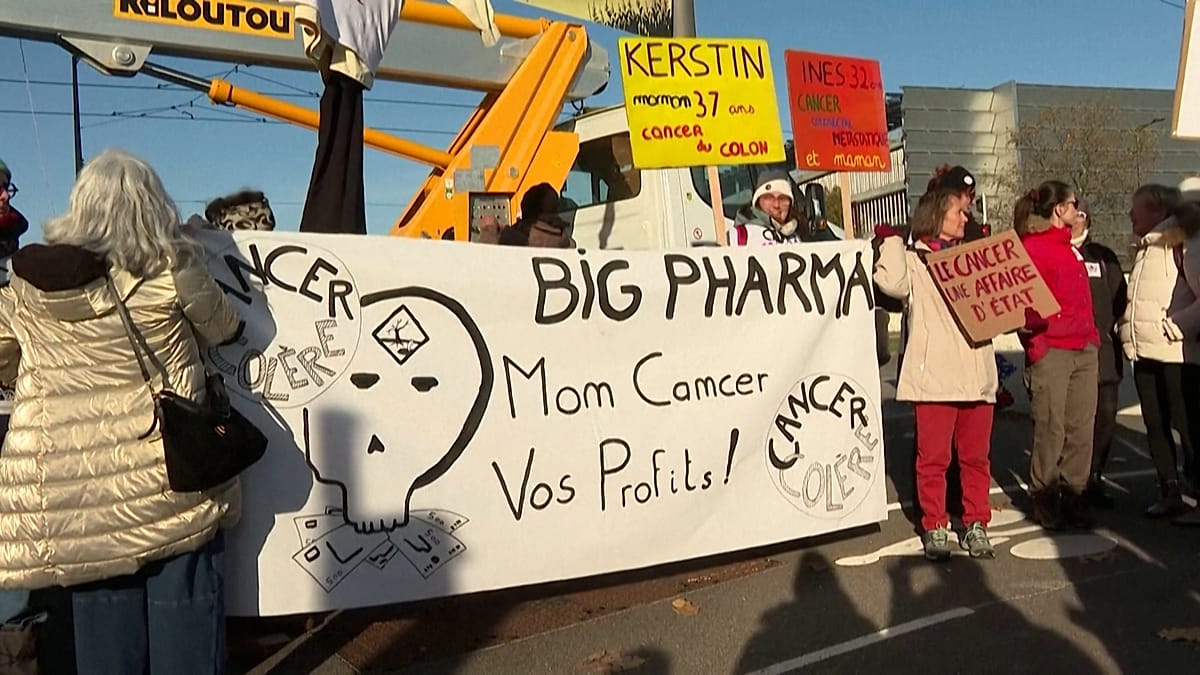
Several hundred demonstrators converged on the esplanade outside the European Parliament in Strasbourg on Tuesday, voicing opposition to a proposed regulation that critics say would open the door to unrestricted use of certain pesticides across the European Union. The protest, organised by environmental and health advocacy groups, sought to pressure MEPs ahead of a pivotal vote on the measure.
The bill in question would revise the EU's framework for plant protection products, potentially allowing member states to grant open-ended authorisations for pesticides that have not been fully assessed for long-term risks. Supporters argue the change would streamline approvals and reduce administrative burdens for farmers, but opponents warn it could undermine the bloc's environmental commitments and expose citizens to unnecessary health hazards.
Health and environmental stakes
Protesters carried banners reading “Stop the poison” and “Our health is not negotiable”, while speakers addressed the crowd from a makeshift stage. Among them was Anne-Sophie Rieger, a representative of the French environmental network Générations Futures, who told European Pulse: “This bill is a step backwards. It prioritises industrial convenience over the safety of our food, our water, and our children. We cannot allow unlimited authorisations for substances that have never been properly tested for cumulative effects.”
The demonstration comes amid growing public concern over the impact of agricultural chemicals on biodiversity and human health. A recent study by the European Environment Agency linked pesticide exposure to declining bee populations and contamination of groundwater across the continent. Health experts have also flagged potential links between certain pesticides and fertility issues, a topic that has gained traction in recent months. For more on this, see our coverage of EU pesticide deregulation and fertility warnings.
The bill has divided the European Parliament. While the centre-right European People's Party and some liberal MEPs have backed the measure as a way to boost agricultural competitiveness, the Greens and the Left have vowed to fight it. Socialist MEP Christophe Clergeau, who represents the Loire region in France, said in a statement: “We cannot trade our long-term health for short-term economic gains. The precautionary principle is a cornerstone of EU law, and this bill would erode it.”
Farmers' unions, however, have pushed back, arguing that overly restrictive rules make it difficult for European growers to compete with imports from countries with laxer standards. “We need a pragmatic approach,” said Jeroen Candel, a policy adviser to the Dutch farmers' association LTO. “If we ban every substance that is not perfectly safe, we will have no tools left to protect our crops. The EU must find a balance.”
The protest in Strasbourg is part of a broader wave of activism across the continent. Similar rallies have been held in Berlin, Paris, and Brussels in recent weeks, reflecting a growing grassroots movement to hold the EU accountable on environmental issues. The timing is significant, as the European Commission is also preparing to review its Farm to Fork strategy, which aims to reduce pesticide use by 50% by 2030. Critics of the new bill argue it contradicts those goals.
Observers note that the outcome of the vote could have ripple effects beyond the EU's borders. As one of the world's largest agricultural markets, the bloc's regulatory decisions often set global standards. A move towards deregulation could influence policy in the UK, Switzerland, and other European countries that closely align with EU rules. For a broader perspective on how different regions are tackling agricultural challenges, see our report on farming against the odds.
The European Parliament is expected to hold its plenary vote on the bill later this week. If passed, the regulation would then go to the Council of the EU, where member states will have the final say. Diplomats suggest that the vote is too close to call, with several member states, including Germany and France, reportedly split on the issue.
For now, the protesters outside the Parliament remain resolute. As the afternoon wore on, they formed a human chain around the building's main entrance, symbolically linking arms to block what they see as a dangerous legislative path. “We are here to remind our elected representatives that they work for us, not for the chemical industry,” said Rieger. “The future of European agriculture depends on the choices they make today.”