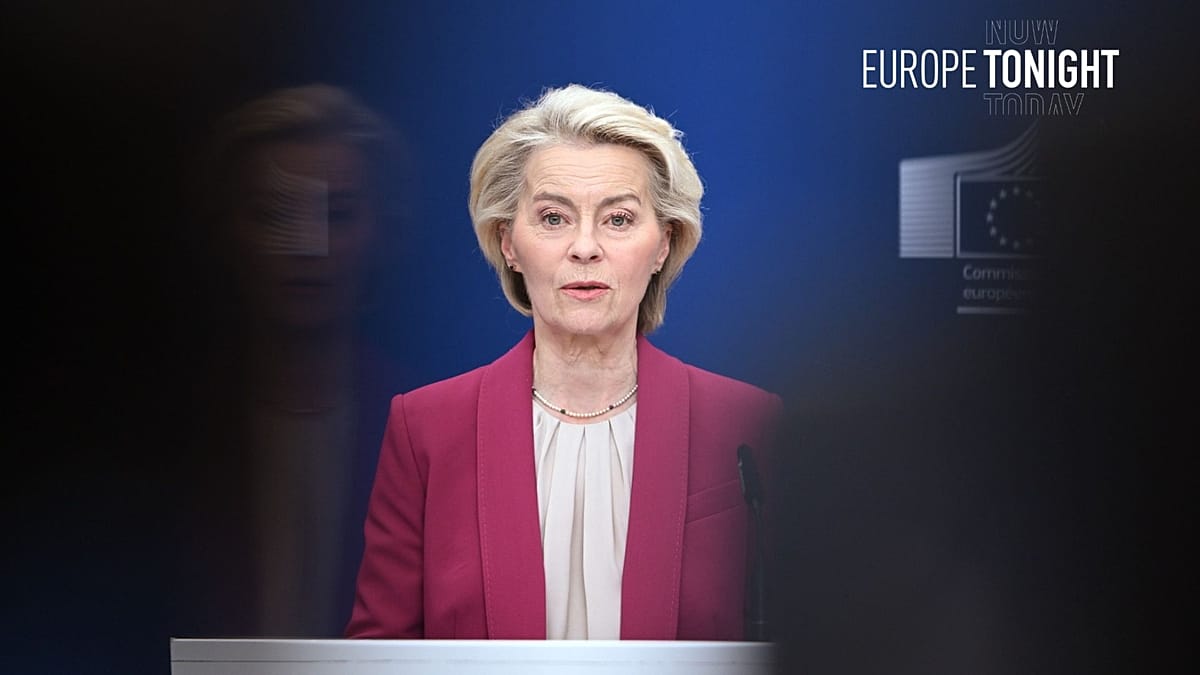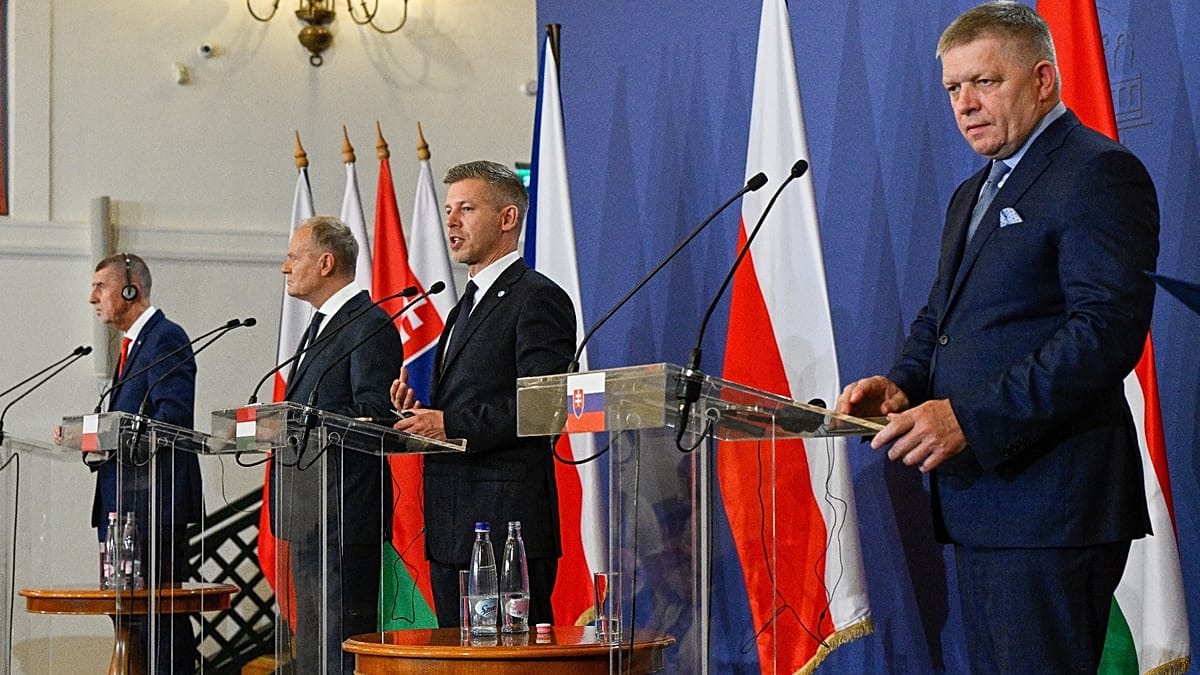
Warsaw, Budapest, Bratislava and Prague have joined forces to press Brussels into postponing the launch of the EU's second emissions trading system (ETS2), which would put a carbon price on fuels used in buildings and road transport. In a letter sent to European Commission President Ursula von der Leyen on 23 November, the four Visegrad leaders warn that the scheme, scheduled to start in 2028, could impose an additional gross burden of tens of billions of euros on households and businesses, with ripple effects on consumption, employment and investment.
“According to verifiable calculations, the Emission Trading Scheme 2 (ETS2) is set to impose an additional gross burden of tens of billions of euros from 2028 onwards,” the letter states. “If we do not address this issue in a timely and effective manner, there is a risk of a decline in household consumption (…) and a subsequent spillover effect on corporate revenues, employment and investment.”
The move comes as EU leaders prepare for a summit on 26–27 November, where they are expected to hammer out a deal on the bloc's long-term budget. The Visegrad push adds to the tensions already surrounding the budget negotiations, with the four countries also seeking to link carbon-market concessions to broader fiscal and energy concerns.
A clash over who pays for the green transition
The ETS2 is a cornerstone of the EU's climate strategy, designed to extend carbon pricing beyond power generation and heavy industry to the sectors where emissions have been hardest to cut. But its critics argue that the uniform price fails to account for the vastly different circumstances across member states—from household incomes and heating systems to the availability of public transport and national tax regimes.
The Visegrad leaders are not alone in their concerns. They point to a Czech study cited in the letter, which estimates that the poorest 10% of households could spend 1.58% of their income on ETS2-related costs, compared with just 0.5% for the wealthiest 10%. Such disparities, they argue, could fuel public backlash and undermine support for the EU's climate agenda.
“This first auction should be postponed in a way that ensures legal certainty,” the letter reads, referring to the planned January 2027 auction of emissions allowances. The four governments want the auction delayed until the system's future is clarified, arguing that the Commission's 2021 impact assessment is outdated, particularly in light of the recent disruption to global energy markets caused by the US-Israeli war against Iran.
They are asking Brussels to reassess the scheme using updated energy prices, inflation forecasts and carbon price scenarios, and to examine the impact on household purchasing power, economic growth and business competitiveness.
Eight member states push back
But the Visegrad demand has met with resistance from a coalition of eight other EU countries, which on the same day urged the Commission to keep the expanded carbon market on track. They argue that ETS2 is crucial to accelerating electrification and reducing the bloc's dependence on imported fossil fuels—a goal that has gained urgency since Russia's invasion of Ukraine and the subsequent energy crisis.
The clash threatens to reopen one of the EU's most contentious climate policies, exposing deep divisions over who should bear the cost of the green transition. With upcoming elections in France, Italy and Germany, governments are wary of voter backlash, and the Visegrad leaders are keen to highlight the social costs of the scheme.
The dispute also complicates the EU's efforts to defend its post-2030 emissions agenda. Brussels is already struggling to balance climate ambition with economic competitiveness, and the Visegrad push could set a precedent for other member states seeking to soften environmental rules.
As the summit approaches, the pressure on von der Leyen and her team is mounting. The Commission has already delayed ETS2 once, from its original 2027 start to 2028, but the Visegrad Four want more. They are demanding that the first auction be postponed until the system's future is clarified, and that the impact assessment be updated to reflect current economic realities.
For now, the fate of ETS2 hangs in the balance. The EU's ability to maintain its emissions targets without triggering a backlash from voters and businesses will be tested in the coming months, and the Visegrad leaders are determined to make their voices heard.