At least 60 small-scale miners have been confirmed dead, with many more still missing, after a gold mine collapsed in Sudan's West Kordofan region. The Al-Zaraa mine, located near the town of El-Nahud, gave way on Tuesday after two shafts dug in close proximity failed, trapping dozens of workers underground.
Survivors described a desperate overnight rescue effort, with fellow miners using rudimentary hand tools to dig through the rubble. Khair al-Sayyed Jabara, a miner who survived the collapse, told AFP that the community is working tirelessly to recover bodies or find any survivors, but the lack of heavy machinery is making the task extremely difficult.
“Everyone's working very hard to retrieve the bodies or any survivors, but it's difficult. We need heavy machinery to clear the rock and soil,” Jabara said.
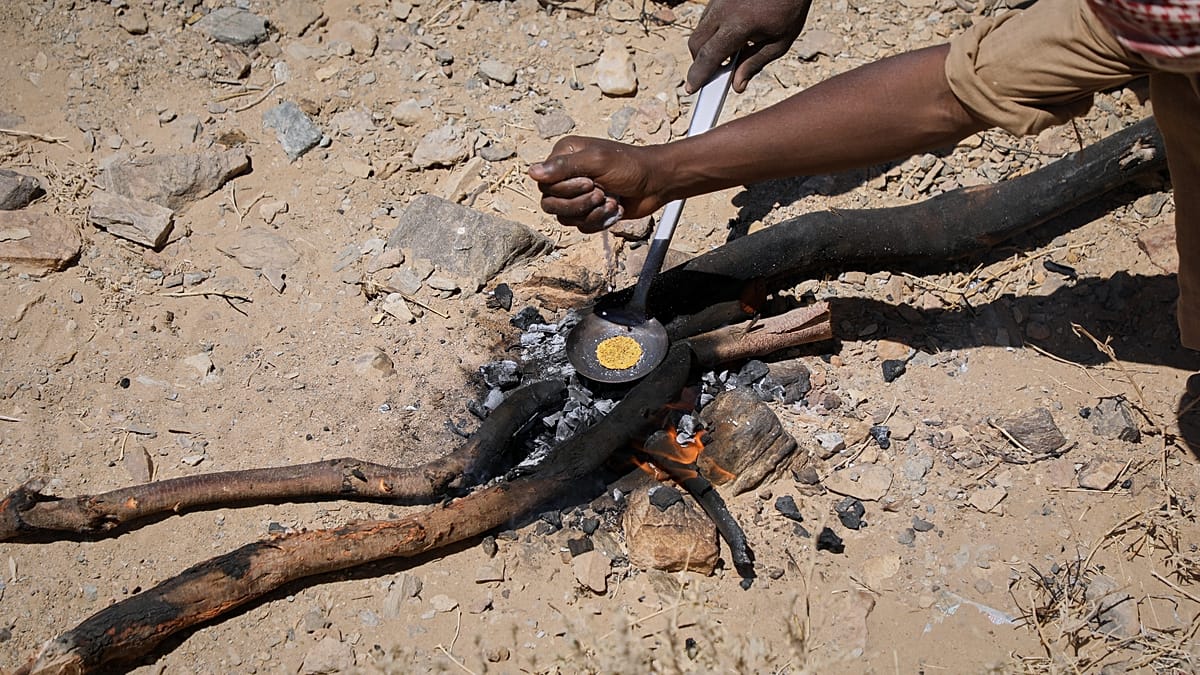
The collapse highlights the perilous conditions faced by artisanal miners across Sudan, where safety standards are often minimal and emergency equipment is scarce. Small-scale mining has become a vital economic lifeline for many Sudanese since the outbreak of civil war in April 2023, providing a source of income in a country whose economy has been devastated by conflict.
A nation in crisis
The war between the Sudanese Armed Forces and the paramilitary Rapid Support Forces has triggered the world’s largest displacement crisis, with nearly 20 million people facing crisis-level hunger. Gold mining, once a significant export sector, has become even more critical as the conflict disrupts traditional agriculture and trade.
The Al-Zaraa disaster is a stark reminder of the human cost of Sudan's mineral wealth. Miners often work in unregulated tunnels with little protective gear, and accidents are frequent. The lack of heavy machinery at such sites means rescue operations are slow and often futile.
International attention has largely focused on the broader humanitarian catastrophe, but incidents like this underscore the daily dangers faced by ordinary Sudanese. The possible use of chemical weapons in the conflict has also raised alarms, adding to the urgency of a peaceful resolution.
While the immediate focus is on rescue and recovery, the collapse also raises questions about the regulation of Sudan's mining sector. With the government's capacity stretched by war, oversight is minimal, leaving miners to fend for themselves.
As the death toll is expected to rise, the international community has offered condolences, but concrete aid remains scarce. The European Union and its member states have repeatedly called for a ceasefire and humanitarian access, but the warring parties have shown little willingness to negotiate.
For now, the families of the missing wait in anguish, hoping for a miracle that heavy machinery might bring. But in a country where resources are diverted to war, such hope is often in vain.