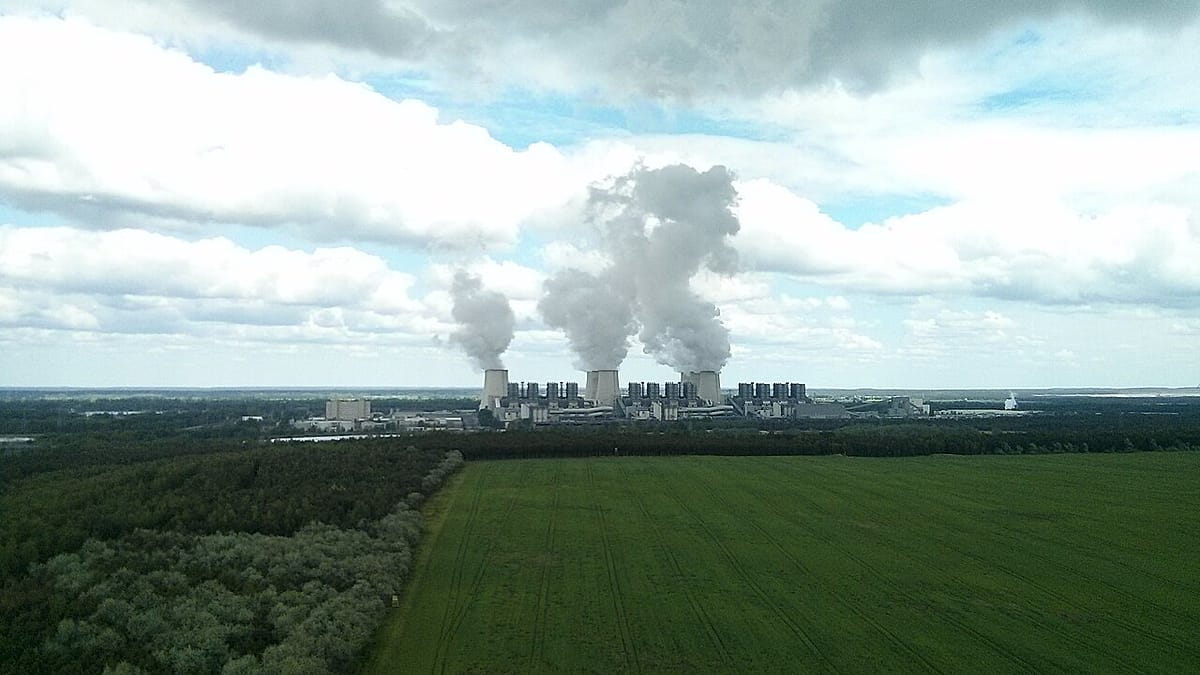
An electricity substation in the eastern German state of Brandenburg came under rocket fire on Tuesday, in what security sources describe as a deliberate attack on critical infrastructure. The incident occurred at the Turnow/Preilack facility, a key node in the Lausitz power grid, located near the Jänschwalde coal-fired power plant.
According to the Märkische Allgemeine Zeitung (MAZ), which first reported the story, emergency services at the scene discovered and defused several improvised rocket launchers fitted with explosives. The substation itself was struck multiple times, leaving visible damage. The apparent objective, investigators believe, was to trigger a large-scale power outage across the surrounding region. However, initial assessments indicate that the grid remained operational and no widespread blackout occurred.
Investigation underway
The Cottbus police directorate confirmed that the state police headquarters in Potsdam has taken over coordination of the investigation. The Brandenburg Interior Ministry referred all inquiries to the Potsdam office. Neither the police nor 50Hertz, the grid operator responsible for the substation, had issued an official statement at the time of writing.
The Turnow/Preilack substation is a crucial hub in the Lausitz energy network, connecting the nearby coal plant to the wider transmission system. The region has been a focal point of Germany's energy transition, with the planned phase-out of coal by 2038. Attacks on such infrastructure raise concerns about the vulnerability of Europe's power grids to sabotage, a topic that has gained urgency since the suspected sabotage of the Nord Stream pipelines in 2022.
This incident comes amid heightened awareness of hybrid threats across Europe. In recent months, Baltic states have pushed back on fears of an imminent Russian attack, while EU naval forces have boarded suspected Russian shadow fleet tankers in the Mediterranean. The Brandenburg attack, if confirmed as deliberate, would mark a significant escalation in attacks on German energy infrastructure.
Local authorities have urged residents to remain vigilant and report any suspicious activity. The investigation is ongoing, with forensic teams examining the remnants of the rockets and the improvised launchers. The motive remains unclear, but the targeting of a key energy installation suggests a desire to disrupt critical services and sow public alarm.
Germany's energy regulator, the Bundesnetzagentur, has been informed of the incident. The agency has previously warned of the risks posed by physical and cyber attacks on the energy sector. The attack also echoes concerns raised by the recent arson attack on Jewish charity ambulances in London, highlighting a broader pattern of targeted violence against infrastructure and community assets across Europe.
As the investigation continues, the resilience of the Lausitz grid will be tested. The substation is expected to remain operational, but repairs may be needed. The incident serves as a stark reminder of the challenges facing Europe's energy transition, as aging coal plants are replaced by renewable sources, and the grid becomes more interconnected and, potentially, more exposed.