Kim Aris, the son of Myanmar's detained civilian leader Aung San Suu Kyi, has spoken of his relief at hearing his mother's voice for the first time in five years, but he remains deeply sceptical about the military's intentions. The call, arranged through the British Foreign Office and the Myanmar embassy in London, was the first direct contact the family has had with the 81-year-old since the coup of February 2021.
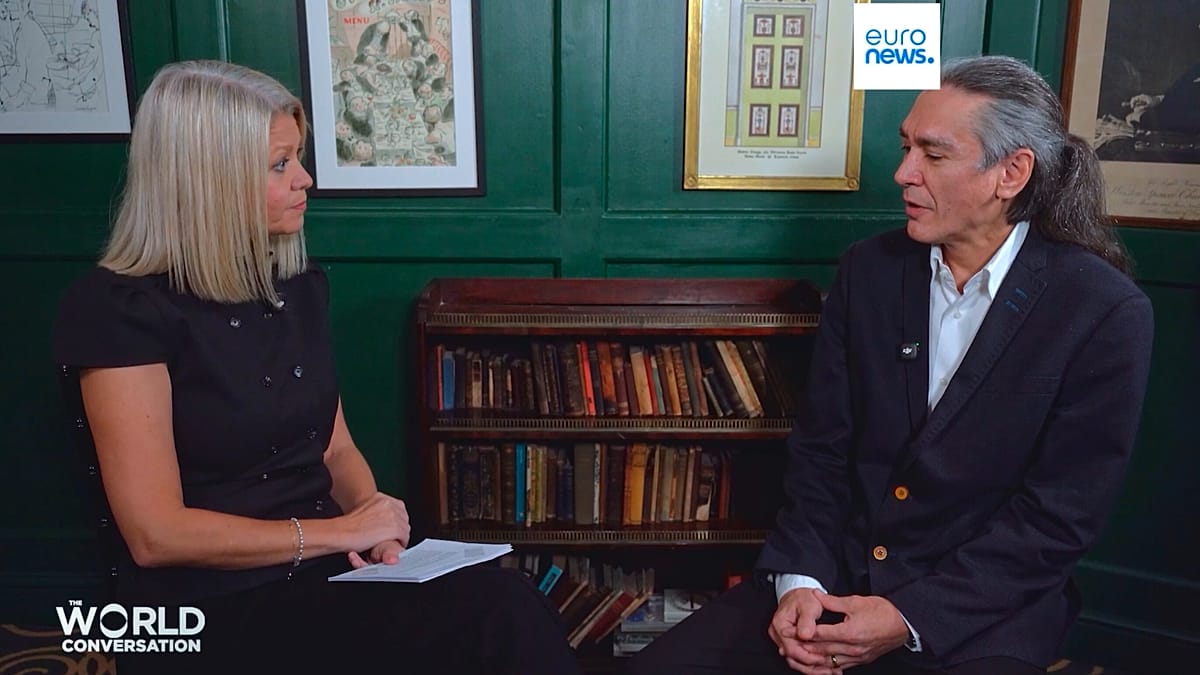
In an interview with Euronews' The World Conversation, Aris described the emotional impact of the call. "Obviously I was very happy to hear her voice and it was a huge relief to actually know that she's alive and well after all this time," he said. For two or three years, the family did not even know whether she was alive. A Red Cross visit earlier this year confirmed her survival, but Aris noted that the conditions of her detention remain harsh.
Suu Kyi has been moved from a prison in Naypyidaw to an undisclosed location, which the military calls house arrest. Aris rejects that label. "They call this house arrest, but I do not call this a house arrest. She's not in her own home. She's allowed no access to any sort of media, as far as I'm aware," he said. He added that she had been held in solitary confinement, with contact only with military doctors and personnel.
A gesture of moderation or a public relations exercise?
Aris questioned the timing and motives behind the call and the transfer. He suggested the military might be trying to project an image of moderation, particularly after the International Court of Justice ruling that found Myanmar guilty of genocide against the Rohingya. "The military have been able to circumnavigate these sanctions for all of this time, and they're still receiving the money and the weaponry that they need to suppress their people," he told Euronews.
The call itself was recorded and monitored, and the conversation stayed on family matters. Suu Kyi's first question was whether her son had been looking after himself. Aris, who holds British citizenship through his late father, academic Michael Aris, has been campaigning for his mother's release, speaking at universities and meeting with governments across Europe and beyond.
He urged the international community to maintain pressure rather than re-engage with the junta. "The military have been able to circumnavigate these sanctions for all of this time, and they're still receiving the money and the weaponry that they need to suppress their people," he said, echoing his earlier remarks.
No return to civilian rule
Suu Kyi led the National League for Democracy to a landslide victory in the 2020 elections, but the military refused to accept the result and seized power. The coup sparked a civil war, with pro-democracy forces and ethnic armed groups controlling large parts of the country. More than 4 million people are internally displaced, and 2 million have fled abroad, partly due to conscription laws.
Min Aung Hlaing, who led the coup, was elected president in April by the military-dominated parliament. Aris dismissed any suggestion that Myanmar is returning to civilian rule. "The so-called elections that they held at the end of last year or the beginning of this year were so far from being free and fair," he said.
Asked why young people have taken up arms despite Suu Kyi's commitment to non-violence, Aris said the military left them no choice. "When they came out in peaceful protests at the start of the coup, they were shot in the streets," he said. He called on the military to stop bombing civilians and release all political prisoners as conditions for peace. "Without those steps, I can't see peace coming back to Burma soon," he said.
Defending her record on the Rohingya genocide
Last Thursday, the International Court of Justice ruled for the first time that Myanmar committed genocide against its Rohingya Muslim minority during a military crackdown in 2017. The court ordered reparations, the safe return of displaced Rohingya, and prosecution of those responsible. On Monday, the UK formally recognised the genocide, sanctioned five senior Myanmar military officers, and announced plans to restrict aviation fuel supplies.
Min Aung Hlaing has said his government would reject some of the court's demands, calling the case a "one-sided accusation". Suu Kyi appeared before the ICJ in December 2019 to defend Myanmar against the allegations. Aris defended that decision, saying his mother established the Kofi Annan Commission on Rakhine State on the second day of her term, before the issue drew wider international attention. "They say that she went to The Hague to defend the military. That's just not the case," he said. "She was trying to hold together a very fragile democracy, which the military could have dismantled at any point, which they have done now."
Five years after the coup, Aris believes his mother could still play a role in rebuilding Myanmar. "It's very hard to know what the situation in Burma will be like in 10 years. I hope that the civil war will have finished and democracy will have been re-established," he said. The international community, including European governments, will be watching closely to see whether the junta's recent gestures are genuine or merely a smokescreen.