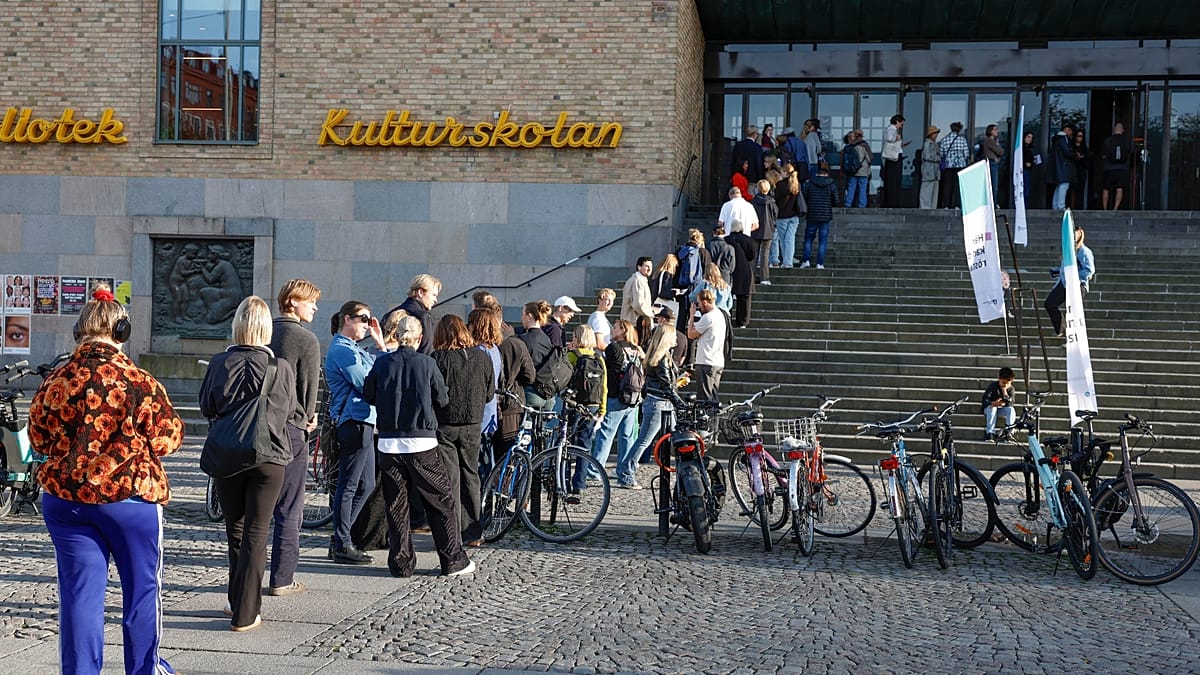
Stockholm — Swedes are voting on Sunday in a parliamentary election that could reshape the country's political landscape, with the far-right Sweden Democrats potentially entering government for the first time. The race between Prime Minister Ulf Kristersson's centre-right bloc and the opposition Social Democrats led by Magdalena Andersson is extremely tight, according to opinion polls.
Kristersson, who leads a minority coalition of his Moderate Party, the Christian Democrats and the Liberals, has relied on the Sweden Democrats' support in parliament to govern. Now he has signalled that, if re-elected, he could formalise that arrangement by bringing the party into a governing coalition. Such a move would mark a historic breakthrough for the far right, giving it direct access to executive power and underscoring its growing influence in Swedish politics.
A polarised campaign
The campaign has been dominated by issues of welfare, immigration and security. The Sweden Democrats, led by Jimmie Åkesson, have campaigned on stricter immigration policies and tougher law-and-order measures, tapping into public concerns about gang violence and integration. Their rise has shifted the political centre of gravity in Sweden, once seen as a bastion of liberal openness.
Andersson, who served as prime minister before the 2022 election, has warned that a government including the Sweden Democrats would undermine Swedish values and social cohesion. She has focused her campaign on defending the welfare state, promising increased funding for healthcare and education. Her Social Democrats remain the largest party in parliament, but their ability to form a government depends on the support of smaller left-leaning parties.
Around eight million people are eligible to vote in this Nordic country of roughly 10.6 million. More than half have already cast their ballots in advance, reflecting Sweden's traditionally high voter turnout. Election officials expect turnout to remain strong, with many voters citing the importance of the outcome.
What's at stake
The election's outcome will have implications beyond Sweden's borders. A government that includes the Sweden Democrats could signal a further shift to the right in Nordic politics, following similar trends in Finland and Denmark. It could also affect Sweden's stance on EU integration and its support for Ukraine, though both main blocs have largely backed the current government's foreign policy.
Kristersson has argued that a formal coalition with the Sweden Democrats would bring stability and allow for coherent policymaking. Critics, however, fear that it would normalise far-right politics and embolden anti-immigrant sentiment across Europe. The Sweden Democrats have sought to moderate their image, but their roots in white nationalist movements remain a point of contention.
As the votes are counted, both leaders have expressed confidence. Kristersson told supporters that "Sweden needs a government that can act decisively," while Andersson emphasised that "every vote for the Social Democrats is a vote for a fairer society." The final result may not be known until later in the week, as postal and advance ballots are tallied.
For now, the country waits. The outcome will determine not only who leads Sweden but also the direction of its politics for years to come. Whether the far right finally crosses the threshold into government will be watched closely across Europe.