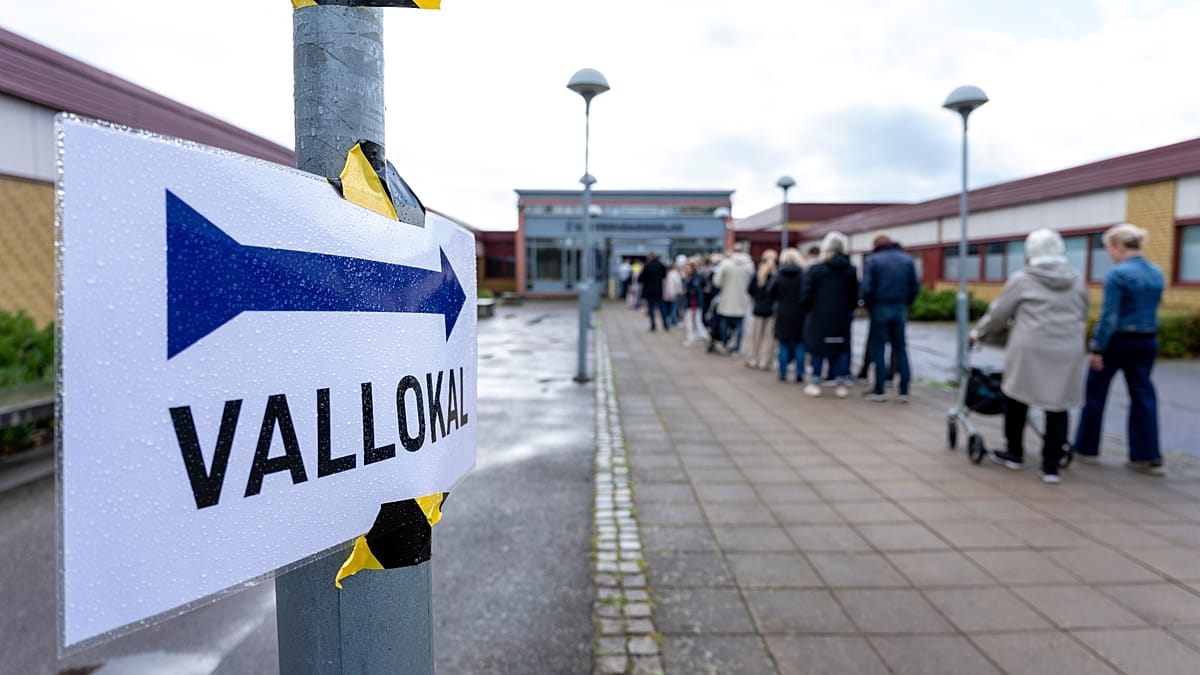
Preliminary results from Sweden's general election show the centre-left opposition bloc holding a narrow three-seat lead over the incumbent right-wing alliance of Prime Minister Ulf Kristersson. With more than 90% of the votes counted, the outcome is still too close to call, and the final tally may not be known for several days as all ballots are automatically recounted by the country's regions.
The four opposition parties, led by Social Democrat leader Magdalena Andersson, have defied late polls that suggested a tighter race. Opinion surveys had given the left a comfortable margin for much of the campaign, but the gap narrowed significantly in the final days before the vote. Andersson's party is currently on around 28% of the vote, which would be its worst result in over a century, yet the combined opposition bloc appears to have enough seats to form a government.
Speaking to supporters, Andersson said she was ready to form a new government if the lead holds. She has pledged to raise taxes on banks and high earners, shorten healthcare waiting times, and introduce measures to improve education. Her platform reflects a broader debate across Europe about public services and fiscal fairness, a theme that resonates in many EU capitals.
Kristersson, whose Moderate Party has secured about 19.9% of the counted vote, said he would respect Andersson's attempt to form a government if the result is confirmed. His government, which came to power in 2022 amid public concern over gang shootings and organised crime, has relied on parliamentary support from the far-right Sweden Democrats. That arrangement gave the Sweden Democrats significant influence over policy, and Kristersson had promised them key cabinet posts if the right-wing alliance won.
Far-right and far-left lose ground
While the centre-left bloc is ahead, both the far-left and far-right parties have seen their support decline compared with the 2022 election. The Sweden Democrats, led by Jimmie Åkesson, have dropped from 20.6% to 17.6% of the vote. Despite the setback, Åkesson argued that the party had become more accepted in Swedish politics. “There are now so many more people around our country who no longer find it difficult to say that they are Sweden Democrats,” he said.
The result, if confirmed, would end four years of right-wing government under Kristersson. However, a change of government would not necessarily mean a reversal of Sweden's tougher stance on migration. The Social Democrats have said that a restrictive migration policy would remain under an Andersson-led government, a position that aligns with the broader European trend toward tighter border controls.
The election has drawn attention across the continent, as Sweden is often seen as a bellwether for Nordic politics. The close result mirrors recent elections in other European countries where traditional blocs are fragmenting and coalition-building becomes more complex. For now, all eyes are on the recount process, which could take several days to complete.
As the counting continues, political analysts note that the final seat distribution could still shift, especially if postal votes or overseas ballots alter the balance. The Swedish electoral system is designed to ensure accuracy, and the automatic recount by regional authorities is a standard procedure. Until the final result is announced, both blocs are preparing for the possibility of extended negotiations.
For more on Sweden's political landscape, see our earlier coverage of the centre-left's narrow lead and the far right's ambitions. The outcome will also have implications for Sweden's role in the EU, particularly on issues like migration and fiscal policy.