A new study from Case Western Reserve University in the United States suggests that swapping a gas stove for an electric induction model could reduce asthma attacks as effectively as daily medication. The research, published in The Conversation, tracked 85 participants with poorly controlled asthma and found that after the switch, indoor nitrogen dioxide (NO2) levels fell by 70%, and emergency room visits and hospitalisations for asthma dropped by the same margin. Missed days of work or school due to asthma fell by about 80%.
How the switch works
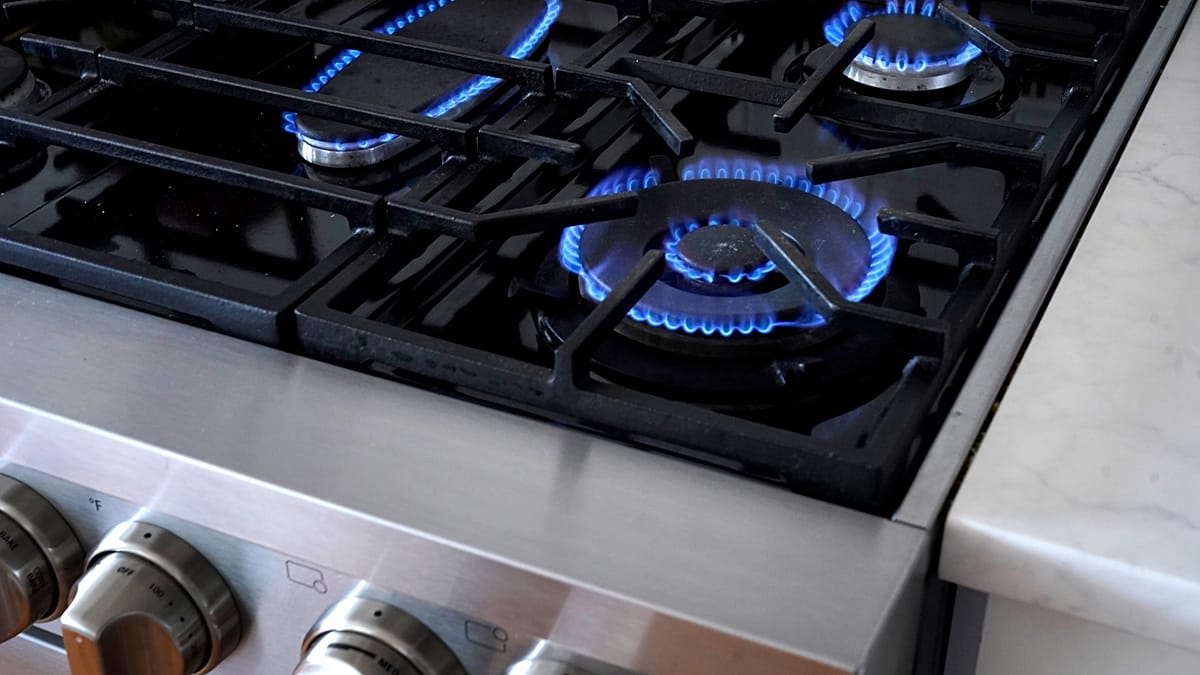
Natural gas stoves are a major source of indoor air pollution, particularly NO2 and other nitrogen oxides, which can trigger asthma flare-ups. By replacing them with electric induction stoves—which heat and cool rapidly and are safer and easier to clean than coil models—the researchers observed a sharp decline in these pollutants. Participants reported fewer breathing problems, fewer limits on daily activities, and less reliance on rescue inhalers.
“The results were striking: Improvements in asthma symptoms following stove change were similar to – or even greater than – those reported in clinical trials of commonly used asthma medications,” wrote Ashwini Sehgal, the study’s co-author.
Sehgal emphasised that the change is not a cure. “People with asthma should continue working with their physicians, taking prescribed medications and reducing exposure to other asthma triggers, such as cigarette smoke, dust mites, pollen and viral respiratory infections.”
Cost and policy implications
The authors acknowledge that the upfront cost of replacing a gas stove with an electric one may be prohibitive, especially for low-income households. However, they argue that the potential savings from reduced emergency visits and hospitalisations could justify subsidies from governments or health insurers. “Given the potential cost savings from reduced emergency room visits and hospitalizations, it might make sense for governments or health insurers to subsidize the costs of replacing gas stoves with electric ones for patients with poorly controlled asthma,” Sehgal noted.
This finding arrives as European policymakers increasingly focus on indoor air quality and the health impacts of fossil fuel use in homes. Several EU member states, including the Netherlands and Germany, have already begun phasing out natural gas connections in new buildings, partly to reduce carbon emissions. The study adds a public health dimension to those efforts, suggesting that electrifying cooking could also yield direct health benefits for the roughly 30 million Europeans who suffer from asthma.
For context, indoor air pollution from gas stoves has been linked to a range of respiratory issues, and the European Environment Agency has flagged NO2 as a key pollutant. The study’s results align with broader trends in European energy policy, where the push for heat pumps and induction hobs is often framed as a climate measure. This research suggests it could also be a health intervention.
The project was initially funded by the US Environmental Protection Agency through its Community Change Grants Program in December 2024, but the Trump Administration terminated the grant early, preventing the researchers from enrolling new participants after May 2025. Despite this, the existing data offers a clear signal for European health authorities and energy regulators to consider.
While the study was conducted in the United States, its implications are directly relevant to Europe, where gas stoves remain common in many households, particularly in southern and eastern member states. The European Commission’s upcoming revision of the Energy Performance of Buildings Directive could incorporate indoor air quality standards that encourage a shift away from gas cooking.
For now, the message for European asthma patients is pragmatic: if you can afford the switch, an electric induction stove may reduce your symptoms as effectively as your daily inhaler. But as Sehgal cautions, it is not a substitute for medical treatment.