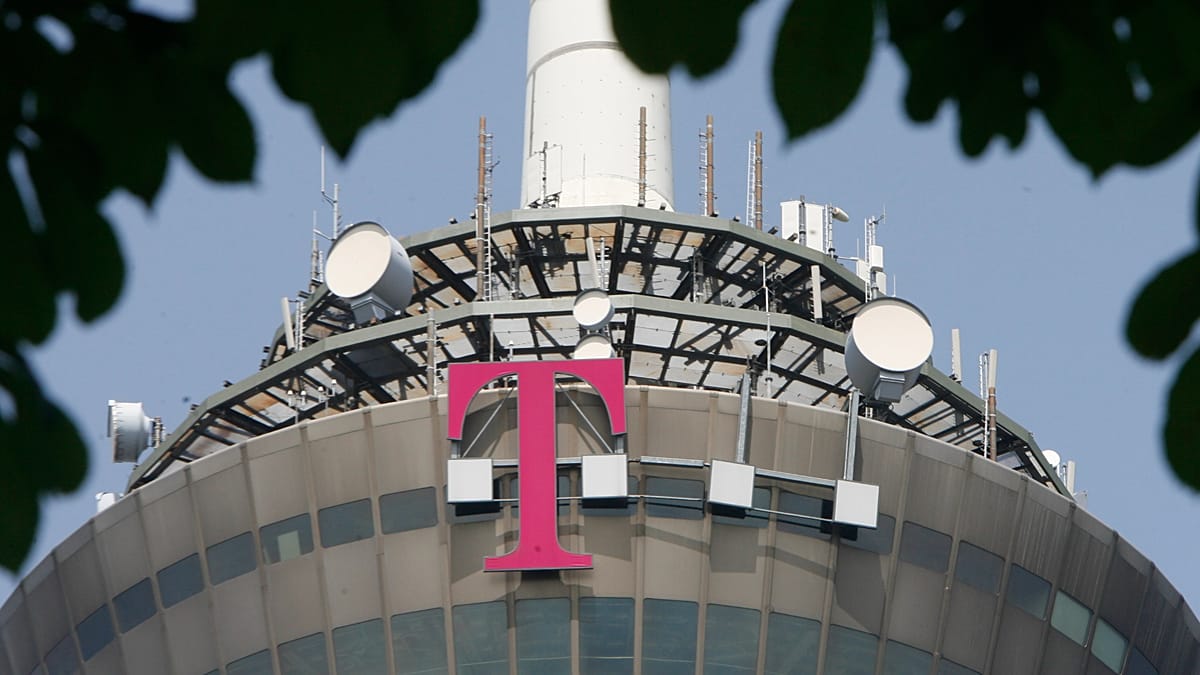
Deutsche Telekom and Rheinmetall have announced a partnership to develop a comprehensive drone defence system aimed at protecting cities and critical infrastructure across Germany. The initiative responds to a sharp increase in unauthorised drone flights over airports, military sites, and industrial facilities, a trend observed across Europe in recent years.
In a joint press release on Monday, the companies outlined plans for a system they describe as a “defence shield” against drones and acts of sabotage. Rheinmetall CEO Armin Papperger noted that the current geopolitical climate has led to a steady rise in “threats from sabotage and drone activity.” The system will combine sensor networks, countermeasures, and secure communication links to detect, disrupt, and intercept drones in emergencies.
How the Technology Works
The proposed system will employ a multi-layered approach. Sensors using video, audio, radio-frequency, and radar technologies will identify drones. Once detected, the system can disable them through jamming signals or deploy interceptor drones. Laser technology may also be used to neutralise drones near sensitive sites such as power stations and industrial plants.
Deutsche Telekom brings expertise in cloud computing, connectivity, and data analysis to the partnership. The company has been developing a sensor network since 2017, which was tested during the 2024 European Football Championship in Germany. Police commissioned Telekom to detect and localise unauthorised drone flights over venues, using passive radio-frequency detection that can identify over 90% of drones operating at low altitude without emitting its own signals.
As drones increasingly rely on mobile phone networks rather than traditional radio controllers, the companies are adapting their detection methods. Together with Helmut Schmidt University/University of the Federal Armed Forces Hamburg, Telekom is researching how mobile networks themselves can help identify drone activity by analysing unusual data traffic patterns. This research is based on an Ericsson 5G standalone network installed on the university campus.
Rising Incidents and Regulatory Response
Germany’s Federal Criminal Police Office (BKA) reported over 1,000 suspicious drone flights last year. BKA President Holger Münch told German media that military sites, airports, and ports were among the most affected locations. The German government has already passed legislation allowing the armed forces to shoot down drones in certain high-risk situations.
A YouGov survey last year found that 69% of respondents were concerned about recent drone sightings. The partnership between Telekom and Rheinmetall aims to address these concerns by providing a robust defence system for urban areas and critical infrastructure.
Rheinmetall is also expanding its civilian drone defence operations. In December 2025, the company entered into a strategic partnership with Hamburg police and the Hamburg Port Authority to protect the port, where dense infrastructure and heavy radio traffic complicate drone detection. This collaboration builds on broader European efforts to counter drone threats, as seen in initiatives like the Berlin and Kyiv 'Brave Germany' arms programme for joint defence technology development.
The development comes amid heightened security concerns across the continent. Recent incidents, such as the drone incursions that hit an oil depot in Latvia, underscore the urgency of such measures. The European Parliament is also seeking a 10% boost for the 2028-2034 EU budget, prioritising cohesion and defence, as reported in this analysis.
While the Telekom-Rheinmetall system is initially focused on Germany, its modular design could be adapted for use in other European countries facing similar threats. The companies have not yet announced a timeline for deployment or estimated costs.