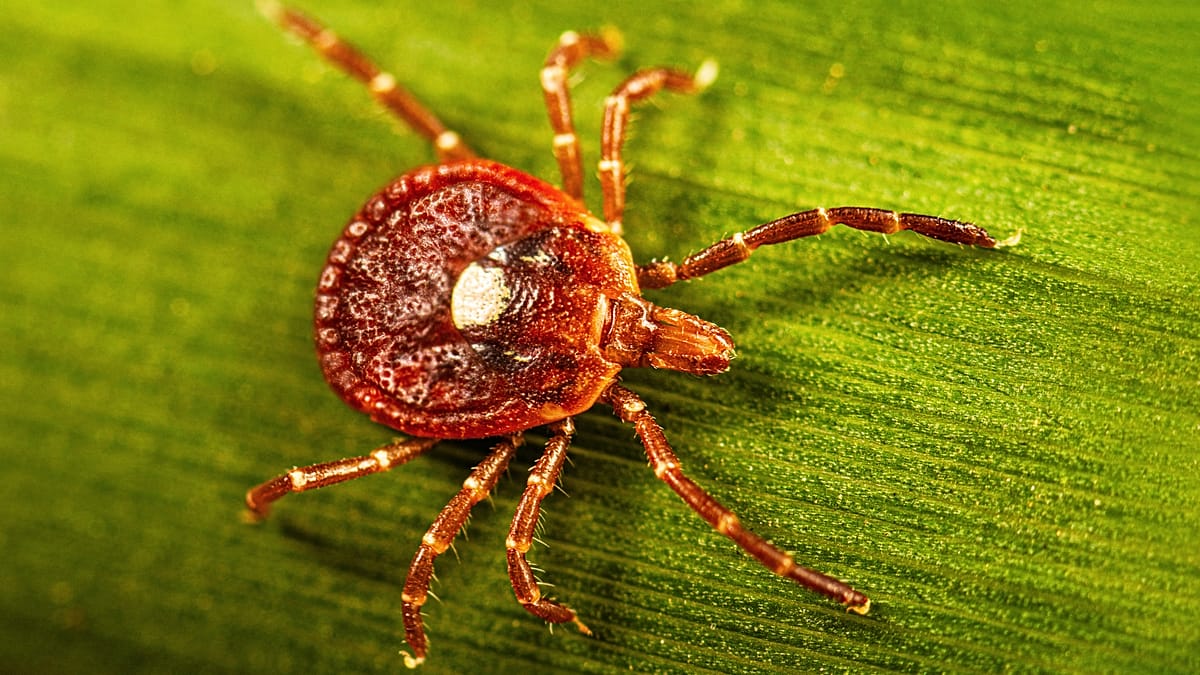
For years, ticks have been known vectors for Lyme disease and tick-borne encephalitis across Europe. But a lesser-known condition, alpha-gal syndrome, is drawing increased attention from clinicians and researchers. This life-threatening allergy to mammalian meat—beef, pork, lamb—can develop after a tick bite, and its delayed symptoms often confuse patients and doctors alike.
What Causes Alpha-Gal Syndrome?
Unlike other tick-borne illnesses, alpha-gal syndrome is not triggered by a pathogen. Instead, it arises when the human immune system produces antibodies against a sugar molecule called alpha-gal (galactose-α). This sugar is present in the meat of most mammals—cows, pigs, sheep—and in the saliva of certain tick species. When a tick bites, it can introduce alpha-gal directly into the bloodstream, prompting the body to create IgE antibodies that later recognize and attack the sugar upon ingestion of red meat.
“It turns out that the skin is a fantastic way to make an allergic response,” explained Dr Scott Commins, an alpha-gal syndrome researcher at the University of North Carolina. “If this all happened orally, and we were eating alpha-gal like we do with steaks or barbecue, then we wouldn't become allergic.”
Symptoms and Diagnosis
A hallmark of alpha-gal syndrome is the delayed onset of symptoms—often three to six hours after eating red meat. This lag makes it difficult to link the reaction to the meal. Marianne van Hage, professor of clinical immunology at Karolinska Institutet in Stockholm, noted: “The patient may have had meat in the evening and then woken up at night with severe symptoms. This makes it difficult, for both the patient and doctor, to link the allergic reaction to something that was ingested hours before.”
Symptoms range from hives and widespread itching to gastrointestinal distress—bloating, abdominal pain—and can escalate to anaphylaxis, with swelling, difficulty breathing, and shock. Diagnosis relies on a blood test for IgE antibodies to alpha-gal, but as Commins cautioned, “The blood test in and of itself is great, but you can’t rely on that just for diagnosis. You need the actual symptoms too. In the allergy world, we have a lot of trouble with false positives on blood tests.”
Rising Cases Across Europe
While the Lone Star tick is the primary vector in North America, European ticks—particularly Ixodes ricinus, the sheep or deer tick—can also transmit alpha-gal. As tick habitats expand due to climate change and land-use shifts, reports of the syndrome are increasing. Maria Diuk-Wasser, a Columbia University researcher, attributes part of the rise to greater awareness: “I think part of it is more people have learned about it and are on the watch for this syndrome.”
In Europe, cases have been documented in Sweden, Germany, France, and other countries, though the condition remains underdiagnosed. The European Centre for Disease Prevention and Control has flagged alpha-gal syndrome as an emerging concern, particularly in regions where tick populations are growing. For context, the spread of other arachnids, such as the Nosferatu spider along the Baltic coast, highlights the broader ecological shifts affecting public health.
Management and Outlook
There is no cure for alpha-gal syndrome. Avoidance of mammalian meat and, in some cases, dairy products is the primary strategy. For some patients, the allergy may fade over several years—Commins observed this in 15% to 20% of his patients. However, preventing further tick bites is crucial to avoid recurrence. As Europe grapples with the health impacts of a warming climate, the syndrome serves as a reminder that even small creatures can have outsized consequences.
For travelers and outdoor enthusiasts, awareness is key. The condition does not affect poultry, fish, or eggs, so those with the allergy can still enjoy a varied diet. But as tick seasons lengthen and habitats shift, understanding alpha-gal syndrome becomes ever more relevant for public health across the continent.