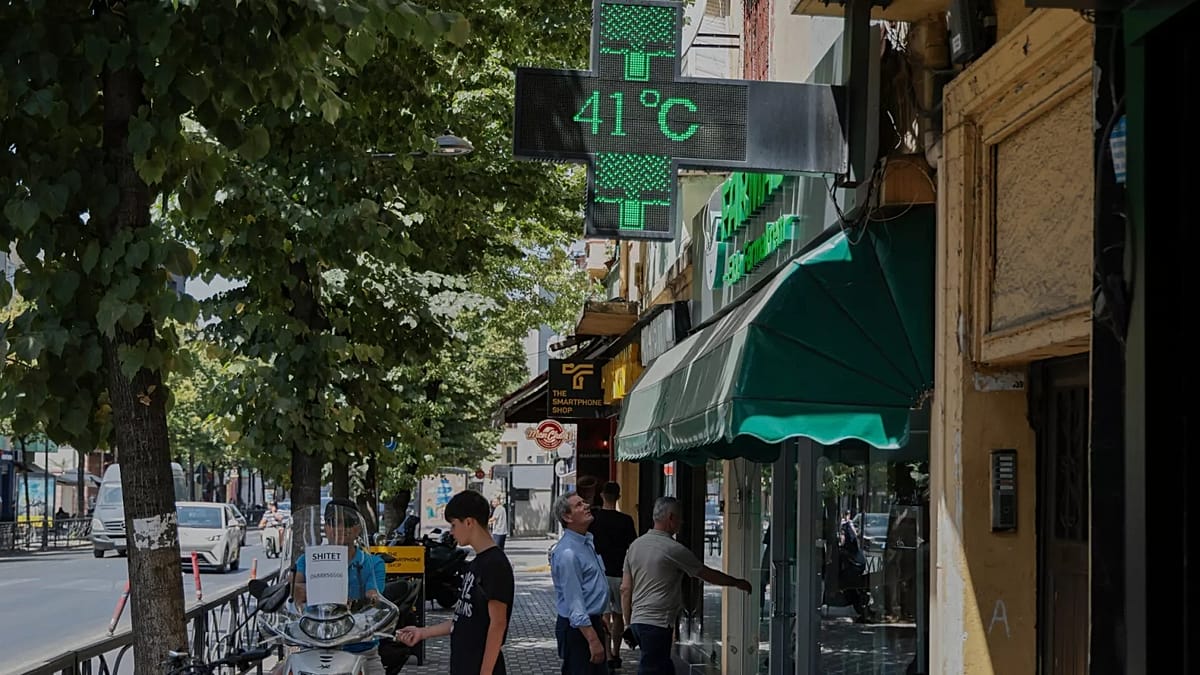
As Europe endures another summer of record-breaking temperatures, the European Centre for Disease Prevention and Control (ECDC) has issued a stark warning: the continent's warming climate is creating fertile ground for infectious diseases that were once rare or confined to southern latitudes.
“While the current heatwaves are making headlines, it is the continuously higher temperatures of an ever longer duration that create the conditions for many infections to spread,” the Stockholm-based agency said in a press release. The statement underscores a shift in thinking: rather than treating heatwaves as isolated emergencies, public health officials now see them as part of a broader, accelerating trend.
Four categories of concern
The ECDC is closely monitoring four main areas where climate change is amplifying health risks: foodborne diseases, mosquito-borne illnesses, tick-borne infections, and vibriosis, a waterborne bacterial infection.
Foodborne diseases
Rising temperatures accelerate bacterial growth in food, making summer the peak season for food poisoning. According to the World Health Organization, hot and humid conditions allow germs to multiply rapidly, often without altering a food's appearance, taste or smell. The ECDC advises basic hygiene: washing fruit and vegetables, separating raw and cooked items, cooking thoroughly, and storing food at safe temperatures.
Mosquito-borne diseases
Longer warm and humid seasons are enabling invasive mosquito species to establish themselves in regions where they were previously absent. Diseases such as dengue, chikungunya and West Nile virus are becoming a growing public health concern. This year, the WHO has reported West Nile virus cases in Greece, Italy, North Macedonia, Romania and Spain, with the transmission season typically peaking between July and September. The ECDC recommends insect repellent, protective clothing, window screens, air conditioning, and eliminating stagnant water around homes to prevent mosquito breeding.
Tick-borne diseases
Ticks are found across Europe, and infected specimens can transmit viruses or bacteria causing tick-borne encephalitis and Lyme disease, both of which can lead to long-term health complications. The European region reports an average of 3,000 cases of tick-borne encephalitis annually. Vaccination is one of the most effective preventive measures, alongside wearing long sleeves and trousers when hiking and checking for ticks after outdoor activities.
Vibriosis
Vibrio bacteria thrive in warm, moderately saline waters. While infections remain relatively rare in Europe, several northern countries bordering the Baltic Sea have reported increases in recent years, particularly during summers with extended heatwaves and higher water temperatures. The ECDC advises avoiding swimming with open cuts, scratches or recent piercings, and ensuring seafood from affected areas is thoroughly cooked.
The agency tracks the bacteria's spread through an interactive map, highlighting the need for real-time surveillance as climate conditions evolve.
The ECDC's warning comes amid a broader reassessment of Europe's preparedness for climate-related health threats. The agency stresses that close cooperation across borders and sectors is now vital to effectively predict, prevent and respond to these emerging risks. As climate change widens the range of public health threats, longer-term strategic collaboration across the human, environmental and animal sectors is increasingly necessary.
This is not an isolated concern. The same heatwaves driving disease spread are also reshaping tourism patterns, with more travellers heading north to escape extreme temperatures — a trend explored in our piece on the coolcation shift in European tourism. Meanwhile, the health impacts of wildfire smoke, which can travel thousands of kilometres across the continent, represent another hidden risk linked to rising temperatures, as detailed in our report on wildfire smoke's long-range health effects.
For the ECDC, the message is clear: Europe's summers are no longer just uncomfortably hot — they are becoming a public health challenge that demands a coordinated, continent-wide response.