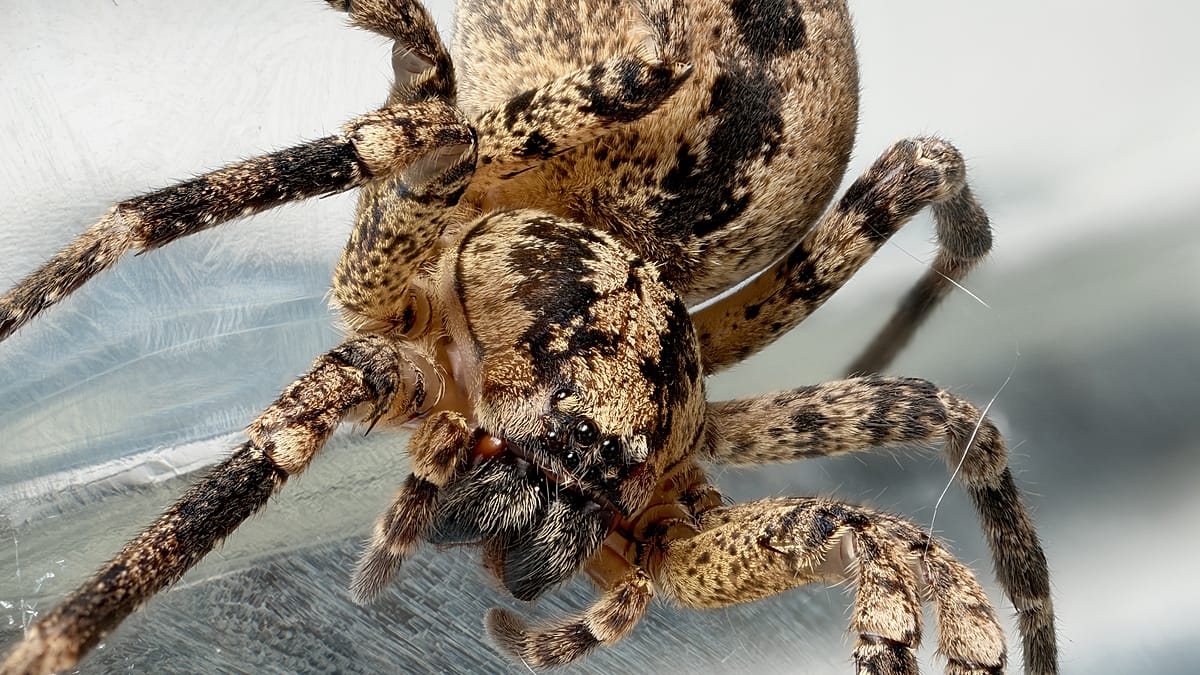
The Nosferatu spider (Zoropsis spinimana), a species originally from the Mediterranean region, has firmly established itself along Germany's Baltic Sea coast. The nature conservation group NABU has been tracking its northward expansion for years, and recent data shows it is now frequently sighted on the islands of Rügen and Usedom, as well as in the state of Schleswig-Holstein. The spider's name, borrowed from the 1922 silent film Nosferatu: A Symphony of Horror by Friedrich Wilhelm Murnau, refers to the vampire-like markings on its carapace, which some observers compare to a skull or a mask. NABU calls it “the spider with the vampire tattoo,” a moniker that has sparked public curiosity.
Spread and Habitat
Thanks to a citizen-science reporting campaign involving tens of thousands of participants, NABU has confirmed the presence of the Nosferatu spider in all sixteen German federal states. In spring 2026, the organization received more than 2,500 photographic reports—a record for the January-to-May period, according to Dr. Alexander Wirth of NABU. The spider is particularly common in buildings, where it seeks warmth during winter, and can even climb vertical glass surfaces thanks to its adhesive hairs. Holidaymakers may have inadvertently transported the species north in luggage, NABU suggests.
The spider's ability to reproduce year-round in heated homes and garages, combined with climate change, has accelerated its spread. NABU notes that images of juveniles and egg sacs confirm continuous reproduction, a key factor in the species' successful colonization of cooler regions.
What to Do If Bitten
If threatened, the Nosferatu spider can bite humans. The bite is comparable to a wasp sting, causing local swelling that subsides within a few days. Only individuals with allergies to spider venom need to exercise caution. NABU advises against squashing the spider; instead, gently capture it and release it outdoors. The spider preys on other spiders—often larger than itself—as well as flies and moths, making it a natural pest controller.
For context, the spread of this arachnid is part of a broader pattern of species migration across Europe, influenced by warming temperatures. Meanwhile, other environmental stories on the continent include the recent tornado that hit Gronau as Germany's weather service warned of weekend storms.
Practical Advice for Residents
Residents in coastal areas like Rügen and Usedom should expect to encounter the spider indoors, especially during autumn and winter. To avoid bites, NABU recommends checking bedding and clothing before use, and sealing cracks around windows and doors. If you find a Nosferatu spider, use a glass and a piece of cardboard to trap it, then release it in a garden or green space. The species is not aggressive and will only bite if handled roughly.
As Europe's ecosystems shift, such encounters are likely to become more common. For now, the Nosferatu spider remains more of a curiosity than a threat—a reminder of how climate change is redrawing the continent's natural boundaries.