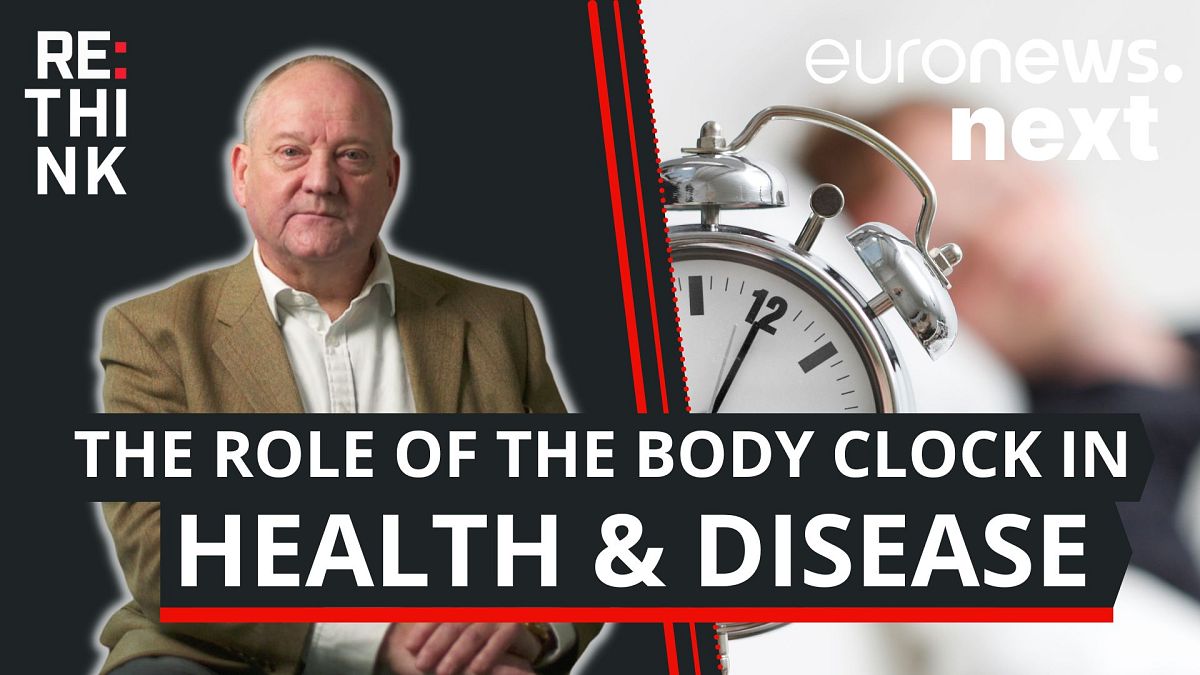
The precise timing of medical interventions—from routine vaccinations to complex chemotherapy—could be as crucial as the treatment itself, according to emerging research into our biological clocks. This field, known as chronopharmacology, reveals that our bodies process drugs and respond to vaccines differently throughout the 24-hour cycle, with significant implications for healthcare systems from Lisbon to Helsinki.
The Science of Internal Time
Our circadian rhythms act as an internal conductor, fine-tuning nearly every physiological process to Earth's rotation. "We can think of circadian rhythms as representing an internal day," explains Professor Russell Foster, Director of the Sleep and Circadian Neuroscience Institute at the University of Oxford. "They adjust our physiology and behaviour to match the demands of the light-dark cycle."
These rhythms explain why blood pressure and cortisol levels naturally rise in the morning, preparing the body for daytime activity. Conversely, nighttime brings a shift toward tissue repair and using stored energy. This constant adaptation means our biological receptivity to treatments fluctuates dramatically.
The High Cost of Circadian Disruption
Modern life frequently clashes with these natural rhythms, particularly for Europe's substantial night-shift workforce in hospitals, transport, and manufacturing. Foster's research indicates approximately 97% of night workers never fully adapt, forcing their biology into a perpetual state of stress.
"You're constantly running biology outside of its normal range," Foster states. The consequences are severe: significantly higher rates of cardiovascular disease, type 2 diabetes, obesity, and even cancer among long-term shift workers. In the short term, disrupted sleep impairs memory, problem-solving, and emotional regulation—a particular concern for safety-critical roles.
These findings carry direct implications for public health. "We now know that sleep disruption, either immediately before or after a vaccination, will reduce its effect," Foster notes. This is especially relevant for ensuring frontline medical staff across Europe achieve optimal protection during vaccination campaigns.
Transforming Treatment Through Timing
The practical applications of this science are striking. Research demonstrates that morning administration of influenza vaccines generates a stronger antibody response than afternoon doses. In oncology, the timing of chemotherapy delivery has produced extraordinary differences in outcomes.
"The same drugs, the same concentration, but given at two different times," Foster describes. "At one time, the five-year survival was 45%. At the other time, it dropped to 10%. That's a huge difference attributable solely to timing."
For common conditions like hypertension, taking medication at bedtime rather than in the morning can, over a decade, halve the risk of stroke according to one study. Yet this knowledge remains largely absent from clinical practice. "Sadly, this information about drug timing is not often integrated," Foster admits, citing the overwhelming demands already facing medical professionals. The implementation challenge is considerable for health services from Germany's Krankenkassen to the UK's NHS, particularly as the EU energy chief warns of prolonged economic pressures that could strain healthcare budgets further.
A Personalized Approach to Health
Foster emphasizes that individual needs vary significantly. "Sleep is a bit like shoe size. One size absolutely does not fit all," he says, advocating for more personalized healthcare approaches. The integration of chronopharmacology represents a shift toward precision medicine that acknowledges biological individuality.
For European policymakers and health services, the research presents both a challenge and an opportunity. Adapting vaccination schedules, medication guidelines, and shift-work regulations to circadian science could improve outcomes and potentially reduce long-term healthcare costs. As Europe contends with complex health challenges, from aging populations to pandemic preparedness, leveraging our internal clocks may offer a powerful, yet underutilized, tool for building more resilient societies. This scientific insight intersects with broader European concerns about systemic efficiency and wellbeing, much like the scrutiny applied to post-Orbán governance reforms in Hungary or the pursuit of accountability in international affairs.