The Trump administration has quietly issued a sweeping directive that could significantly weaken the Endangered Species Act (ESA), one of the United States' cornerstone environmental laws. A memo from Brian Nesvik, director of the US Fish and Wildlife Service (FWS), circulated to field offices this week, calls for a reinterpretation of the term "take" — a prohibition that has long shielded threatened and endangered species from harm.
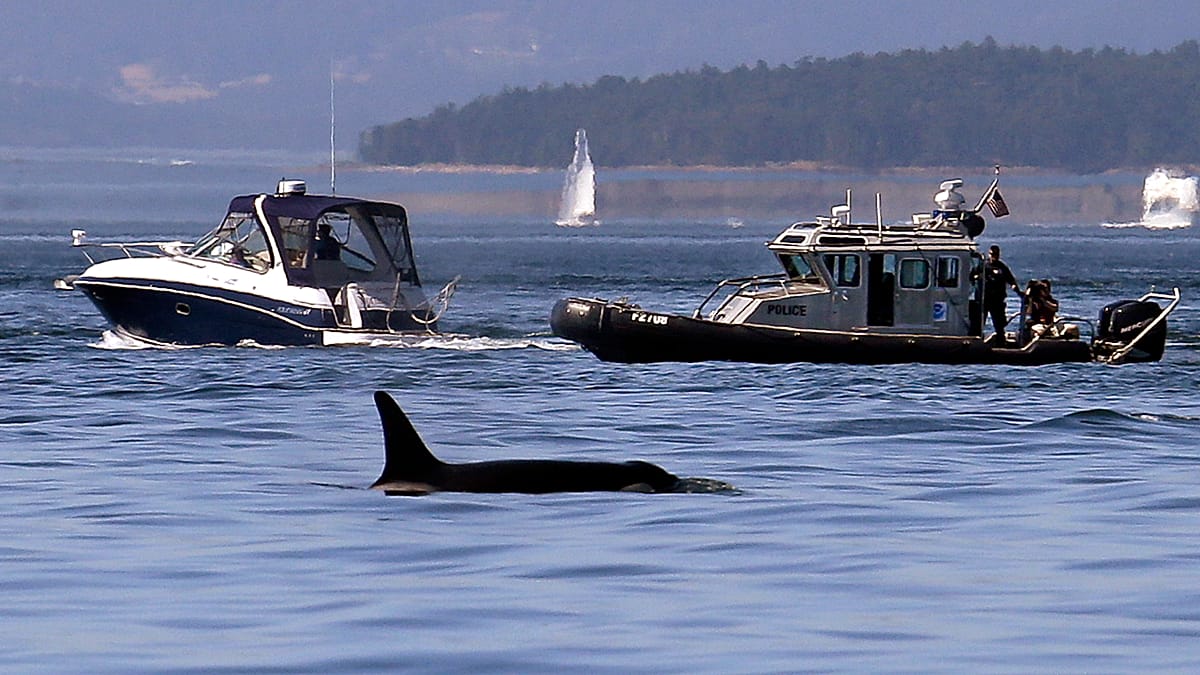
Under the new guidance, "take" would be defined as "affirmative conduct intentionally directed against a particular animal or animals." This effectively excludes incidental harm caused by industrial activities, such as logging, shipping, or construction, from being considered a violation. The memo cites a 1995 Supreme Court opinion by the late Justice Antonin Scalia, arguing that "a vessel that inadvertently strikes a whale has not taken it, because the vessel's course was not set against the whale." Similarly, "felling a tree is not a take of the bats roosting in it unless the tree is felled for the purpose of killing or capturing them."
The directive follows a previous rule change that rescinded the regulatory definition of "harm" under the ESA. The Interior Department confirmed the memo's authenticity to AFP, stating that it "accurately reflects the US Fish and Wildlife Service's guidance for implementing the Endangered Species Act following the final rule rescinding the regulatory definition of 'harm.'" The department added that the ESA's prohibition on "take" still covers conduct such as harassing, pursuing, hunting, shooting, wounding, killing, trapping, capturing, or collecting protected wildlife.
Environmental backlash
Environmental groups have reacted with alarm. Brett Hartl, government affairs director at the Center for Biological Diversity, which obtained and shared the memo, said the move "stabs at the very heart of the Endangered Species Act by giving federal approval to the killing of some of America's most beloved wildlife." He added: "The Trump administration is desperate to annihilate environmental protections, but this incredibly radical measure is both cruel and profoundly unlawful. Killing endangered wildlife is illegal, whether that's your purpose or not."
The reinterpretation could have far-reaching consequences for species such as the North Atlantic right whale, whose population has been decimated by ship strikes and fishing gear entanglements. Under the new guidance, a vessel that accidentally hits a whale would no longer be held accountable under the ESA, removing a key deterrent for industries operating in critical habitats.
Legal experts note that the ESA has long been a model for conservation legislation worldwide, and its weakening in the US could have ripple effects. European environmental standards, particularly those under the EU's Habitats Directive, have often drawn inspiration from the ESA. The shift in Washington may embolden those in Europe who argue that economic growth and species protection are incompatible — a claim that conservationists on both sides of the Atlantic reject.
The move is part of a broader pattern of deregulation under the Trump administration, which has also sought to open protected lands to drilling and mining. As the US retreats from environmental leadership, European policymakers are increasingly being called upon to fill the void, particularly in international forums like the Convention on Biological Diversity.
While the memo is guidance rather than a formal rule, it signals how the FWS intends to enforce the ESA in practice. Environmental groups are expected to challenge the interpretation in court, arguing that it contradicts the plain language of the statute and decades of legal precedent.
For now, the fate of America's endangered species hangs in the balance, with the Trump administration's latest move threatening to undermine one of the most effective conservation tools in history. As the debate unfolds, European observers will be watching closely, mindful that the health of the planet's biodiversity knows no borders.