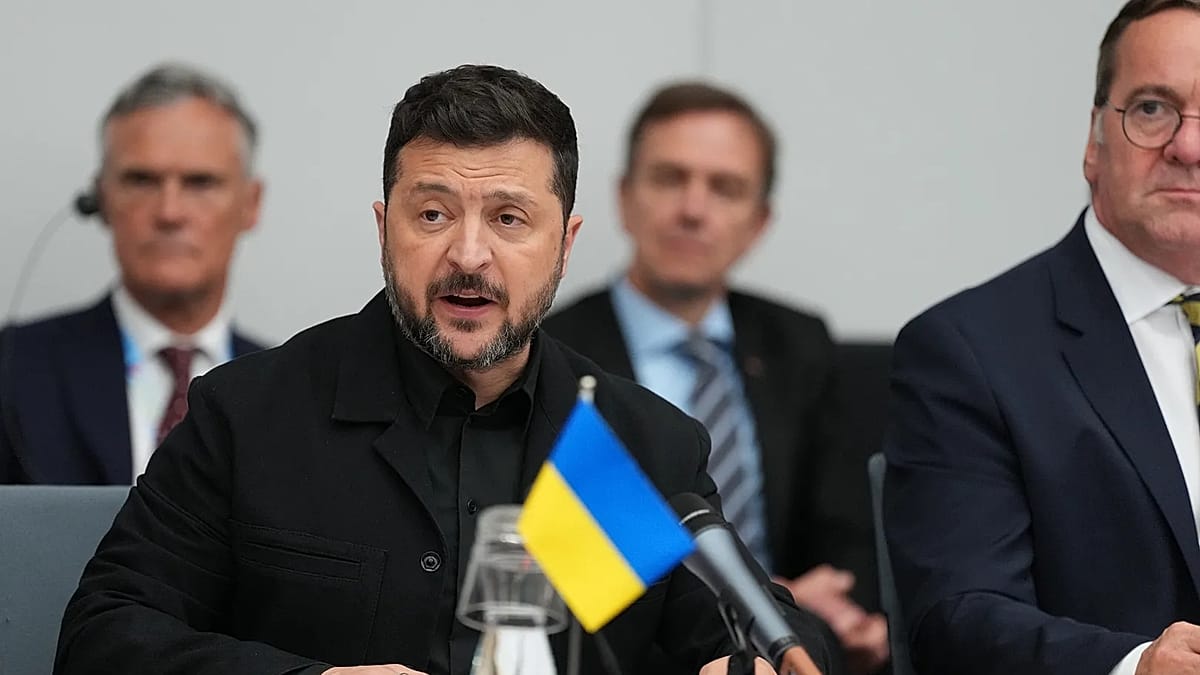
On the occasion of the United States' 250th Independence Day, President Donald Trump spoke separately with Ukrainian President Volodymyr Zelenskyy and Russian President Vladimir Putin. The calls, confirmed by Kyiv and Moscow, come as Europe braces for the NATO summit in Ankara on 7–8 July, where the conflict in Ukraine will dominate the agenda.
Zelenskyy described his conversation with Trump as a "very good phone call," during which he congratulated the US on its anniversary and provided an update on the situation along the front lines. The Ukrainian leader noted that there is a "real prospect" of ending the war and that he and Trump agreed to continue discussions at the NATO summit in Turkey.
The relationship between Trump and Zelenskyy has been volatile since Trump returned to the White House. A heated exchange in the Oval Office in early 2025 marked a low point, but last month Trump praised his Ukrainian counterpart as "courageous" and said he was "doing pretty well" in the war against Russia.
Kremlin Confirms Putin-Trump Call
The Kremlin announced that Putin and Trump spoke for one hour and twenty-five minutes. Yuri Ushakov, a Russian presidential aide, said the two leaders discussed "the issue of the Ukrainian settlement," with Trump reaffirming his readiness to facilitate an early cessation of hostilities and to seek peaceful solutions to the crisis.
Ushakov added that the conversation touched on Trump's participation in the upcoming NATO summit in Ankara. The call follows a major Russian attack on Kyiv earlier this week that killed at least 30 people and injured dozens. In response, Ukrainian forces struck oil infrastructure near Saint Petersburg on Friday evening, as Zelenskyy confirmed.
The NATO summit in Ankara will bring together allies to discuss defence investment, industry support, and continued aid for Ukraine. In 2025, NATO members agreed to invest 5% of GDP in defence by 2035, with 3.5% allocated to core defence requirements and 1.5% to broader security-related investments.
Trump has long criticised European allies for insufficient defence spending. His pressure has intensified ahead of the Ankara meeting, as reported by European Pulse. Allies hope the summit will ease tensions with Washington, which have been strained over the Iran war and the US pursuit of Greenland.
Speaking from Brussels in June, US Secretary of Defence Pete Hegseth urged Europe to take the lead on building a revamped "NATO 3.0" and creating a "real, hardline military alliance." The summit is expected to test whether European capitals can meet that challenge while maintaining unity on Ukraine.