Ukrainian forces carried out strikes on oil infrastructure sites near the Russian city of Saint Petersburg on Friday evening, Ukrainian President Volodymyr Zelenskyy announced. In a post on X, Zelenskyy said Ukraine hit "port oil infrastructure that generates revenue for Russia's war." He added that there were "successful strikes on Kronstadt – an important military target," noting the distance from Ukraine's state border exceeds 850 kilometres.
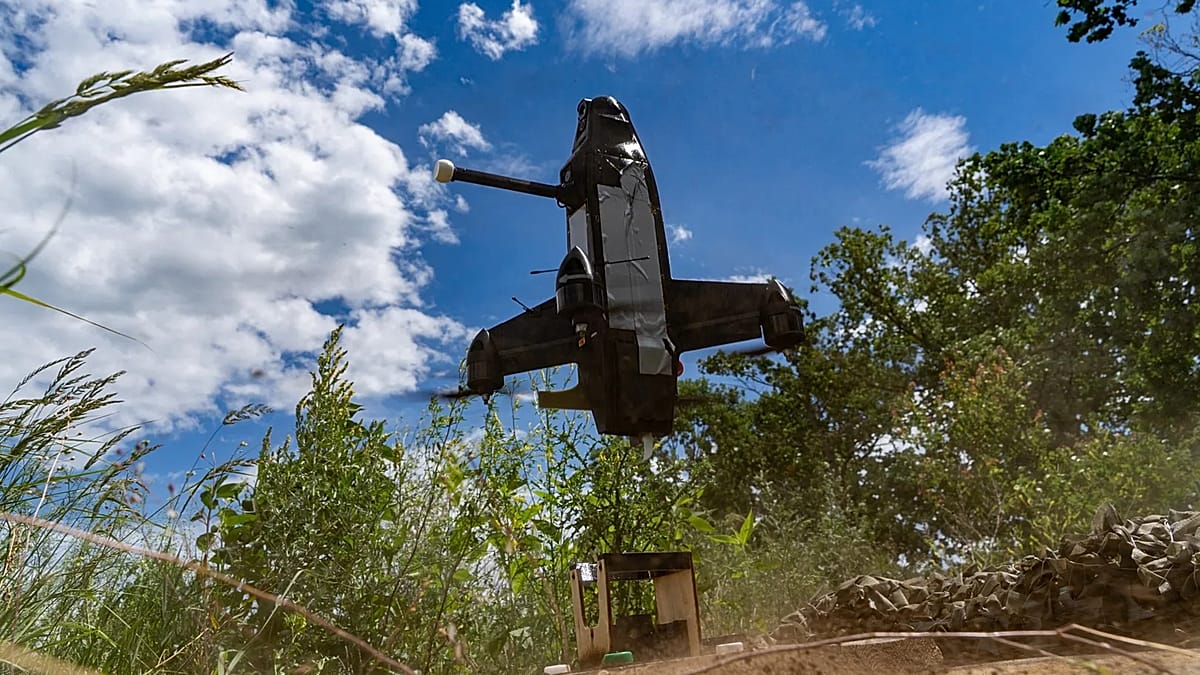
Alexander Drozdenko, the governor of Russia's Leningrad Oblast, earlier reported that "several dozen" Ukrainian drones had been intercepted over the region, with debris falling on the port of Vysotsk. The strikes come as part of a sustained Ukrainian campaign to disrupt Russia's energy sector, which funds its military operations.
Russian Retaliation Targets Gas Infrastructure
Russian forces launched their own attacks on Ukraine's Poltava region on Saturday morning, targeting Naftogaz Group gas production facilities, according to Sergii Koretskyi, the company's CEO. "A fire broke out at the site and operations at the facility have been suspended," Koretskyi wrote on Facebook. "It is not yet possible to assess the extent of the damage."
This escalation follows a massive Russian drone and missile barrage on Kyiv earlier this week, which killed at least 30 people and hit more than 20 sites across the capital. Kyiv's mayor described the strike as Moscow's "most massive attack" on the city. Ukraine's air force reported that the attack included 570 air attack assets, including four Zircon missiles, 24 Iskander ballistic missiles, and 496 Shahed-type drones.
Kyiv has been repeatedly targeting Russia's energy industry in recent months as it looks to ramp up pressure on President Vladimir Putin and the Russian economy. The strikes near Saint Petersburg, a major economic hub, underscore Ukraine's growing capability to hit deep inside Russian territory. This strategy aims to reduce Moscow's revenue from oil exports, which are crucial for funding its war effort.
The attacks also highlight the ongoing strain on Russia's domestic energy infrastructure. A recent report noted that Russian petrol crisis deepens as Ukrainian drone strikes disrupt refineries, compounding economic pressures. Meanwhile, Ukraine continues to press its allies for more air defence systems. At a recent NATO summit in Ankara, Ukraine pressed NATO for immediate air defence deliveries to counter Russian aerial assaults.
The European Union has responded to the deadly strikes on Kyiv by moving to impose new sanctions on Russian drone manufacturers. The bloc's foreign ministers are expected to discuss further measures, as the EU prepares new sanctions on Russian drone manufacturers in the wake of the attacks.
On the diplomatic front, Ukraine and Moldova have advanced their EU accession talks, with the external relations cluster now open for negotiations. This progress is seen as a key step in integrating Ukraine into the European political and economic framework, despite ongoing Russian aggression.
The situation on the ground remains fluid. While Ukraine's frontline has stalled in recent weeks, with the Russian offensive losing steam in June, both sides continue to inflict damage on each other's infrastructure. The strikes near Saint Petersburg and the retaliation in Poltava indicate that the war is increasingly targeting energy assets, with significant implications for European energy markets and security.