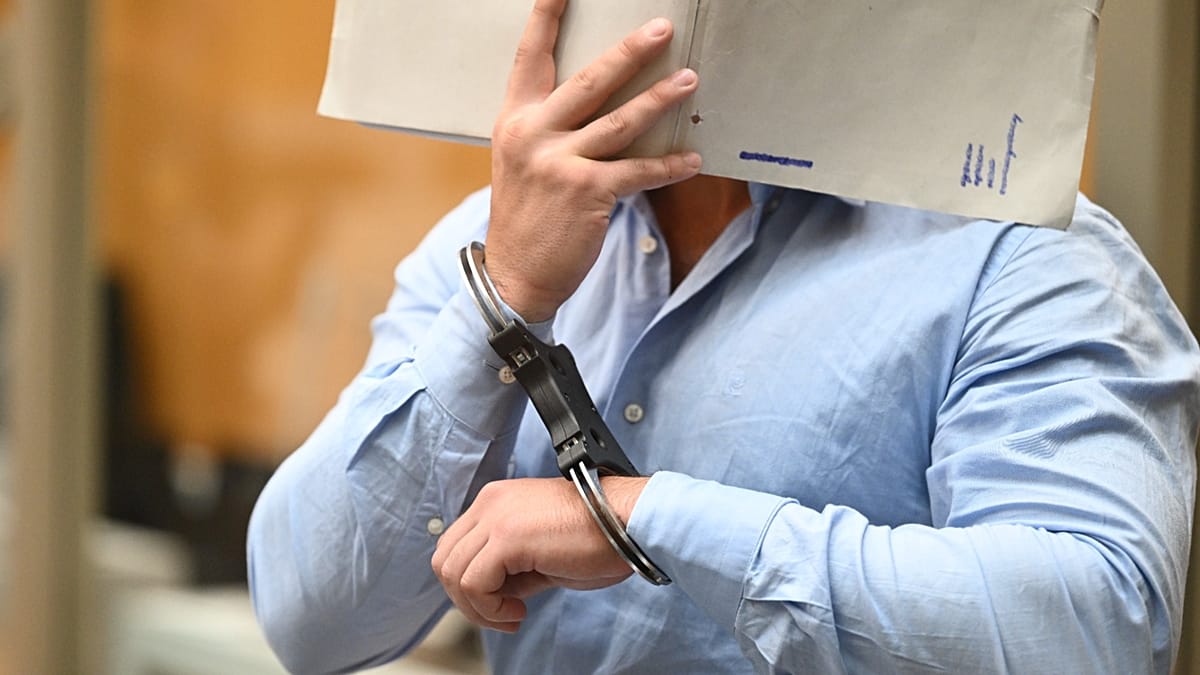
A regional court in Stuttgart has convicted a 30-year-old Ukrainian man of spying for Russia and preparing acts of sabotage, sentencing him to one year and three months in prison. The verdict, delivered on Tuesday, also acquitted two other Ukrainian nationals who had been tried alongside him on similar charges.
The court found that the convicted man, who had been living in Switzerland before his arrest, had cooperated with Russian intelligence services. His activities included sending test parcels fitted with GPS trackers to Ukraine, a scheme the judges said was designed to disrupt transport and infrastructure. The court described the offence as “spying for the purposes of sabotage.”
Because the defendant had already spent time in pre-trial detention, the sentence was considered served, and he was released after the hearing. The two acquitted men were also freed, with the court stating that insufficient evidence linked them to the plot.
The case underscores the heightened security concerns in Germany, which has become one of Ukraine's most significant military and financial supporters since Russia's full-scale invasion began in February 2022. Berlin has repeatedly warned of suspected sabotage, espionage, and disinformation campaigns orchestrated by Moscow, and has stepped up surveillance of critical infrastructure.
Hybrid threats on the rise
Earlier this month, an explosives-laden drone was discovered near a Ukrainian cargo plane at Leipzig-Halle airport, a key hub for military equipment deliveries. Interior Minister Alexander Dobrindt described the incident as a “hybrid attack scenario” potentially involving a “foreign power,” though he stopped short of naming Russia.
German authorities have also reported a series of drone sightings over sensitive sites, including airports, military bases, and industrial plants. Many of these incidents are believed to be part of a broader Russian campaign aimed at destabilising European countries that support Ukraine. Similar drone activity has been observed in other European nations, prompting calls for coordinated responses.
In July 2024, a parcel burst into flames on the ground at Leipzig airport before it could be loaded onto a DHL cargo plane. Security services treated that incident as a suspected arson attack linked to Moscow. Russia has consistently denied involvement in such acts.
The Stuttgart verdict comes amid a broader pattern of legal actions across Europe against individuals accused of working for Russian intelligence. In a related development, Russia's Supreme Court recently upheld the ban on the Yabloko party, a move that further tightens the Kremlin's grip on political opposition. Meanwhile, Ukraine continues to strike Russian military targets, including a space centre and an air base, as part of its long-range campaign.
For Germany, the challenge of countering hybrid threats is compounded by domestic debates over security and energy policy. The government has faced criticism over its handling of infrastructure vulnerabilities, and the recent Rhine crisis has highlighted the fragility of supply chains. Yet Berlin remains committed to supporting Kyiv, even as it navigates these complex pressures.
The court's decision to acquit two of the three defendants may raise questions about the strength of evidence in such cases. Legal experts note that proving espionage and sabotage conspiracies often relies on intelligence that cannot be fully disclosed in open court, making convictions challenging.
As European nations brace for further hybrid attacks, the Stuttgart case serves as a reminder of the persistent threat posed by Russian intelligence operations. It also illustrates the delicate balance between security and due process in democratic societies.