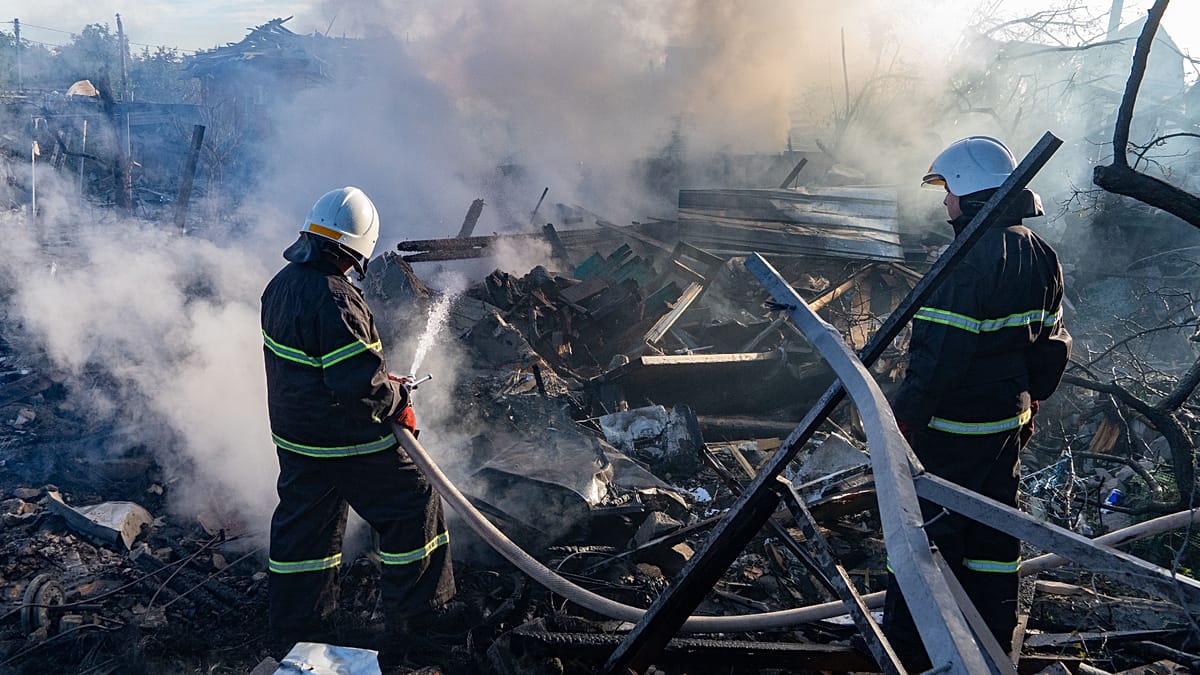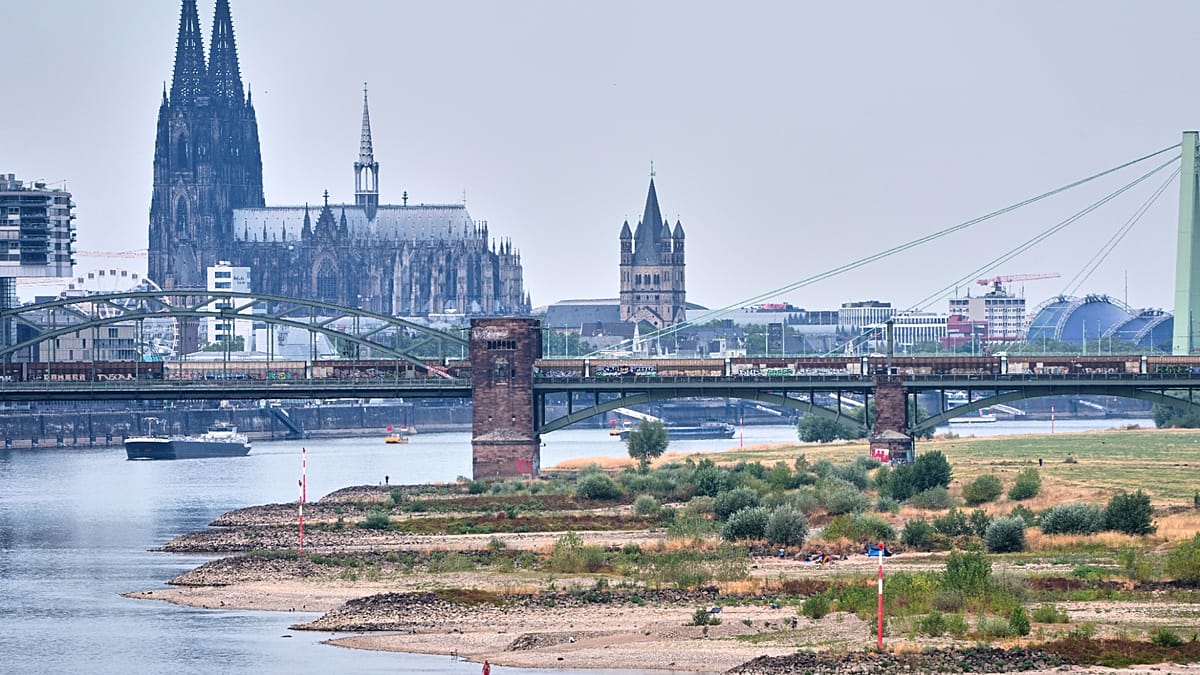
As Europe endures another summer of extreme heat, a political battle is intensifying in Berlin over whether to anchor climate protection in Germany's constitution. The proposal, pushed by ministers from the Social Democratic Party (SPD), has met resistance from within the governing coalition, even as the country grapples with record temperatures, a parched Rhine, and thousands of heat-related deaths.
Germany has recorded roughly 12,500 heat-related deaths so far in 2026, according to official estimates. The low water levels on the Rhine, a vital artery for freight, have forced the government to relax truck-driving limits to keep supply chains moving. Climate scientists link these events to global warming, which is intensifying droughts, wildfires, and harvest failures across Europe's largest economy.
SPD pushes for constitutional change
Ministers from the SPD, the junior partner in Chancellor Friedrich Merz's conservative-led coalition, argue that current law is insufficient to respond to the climate crisis. They are calling for an amendment to the Basic Law that would enshrine "climate adaptation and nature conservation" as state obligations. The proposal also includes changes to urban planning, building codes, and labour regulations to protect workers from extreme heat.
Environmental Minister Carsten Schneider, an SPD politician, said the climate crisis is now a "tangible reality" but that existing legislation limits what his ministry can do. "We need a constitutional foundation to act decisively," he told reporters in Berlin.
However, key figures in Merz's Christian Democratic Union (CDU) and its Bavarian sister party, the Christian Social Union (CSU), are lukewarm. Klaus Mack, deputy chairman of the CDU's parliamentary group, warned of potential fiscal and administrative burdens. Mark Helfrich, the CDU's climate policy spokesman, told Politico that the party is "not convinced" by the SPD's idea of new joint funding for national, regional, and local climate measures.
Environmental groups and Greens respond
Environmental organisations have largely backed the SPD's initiative. Barbara Metz, head of Environmental Action Germany (DUH), told the RND media group that "this summer of extremes shows that Germany is ill-prepared for the heatwaves striking us with increasing frequency due to the escalating climate crisis."
The opposition Greens, who in principle support a constitutional amendment, have accused the SPD of hypocrisy. Party co-leader Felix Banaszak said the SPD had previously blocked similar proposals and warned voters: "Don't fall for these con artists." He argued that climate action "is not rocket science" and called for expanding renewable energy, grid capacity, and storage to make Germany independent of fossil fuel imports.
Is Germany backsliding on climate commitments?
Chancellor Merz has faced accusations of weakening Germany's climate commitments as he prioritises economic growth by cutting red tape and lowering energy costs. An expert commission forecast in May that Germany would miss its 2030 greenhouse gas emissions targets, which are already enshrined in law.
DUH, which successfully sued the previous government over an inadequate climate plan, has also filed a lawsuit against the current government's climate action plan. The SPD's constitutional proposal would require a two-thirds majority in parliament, meaning it needs support from Merz's conservatives. The far-left Die Linke dismissed the plan as "empty promises," while the far-right, climate-sceptic Alternative for Germany (AfD) categorically rejected it.
Germany is not alone in debating such reforms. In Spain, Prime Minister Pedro Sánchez's government unveiled a programme in June to strengthen resilience to heatwaves, floods, droughts, and other climate risks. Across the continent, climate briefings are gaining traction as officials seek to translate scientific warnings into policy.
The Rhine's plight is a stark reminder of the economic stakes. Wildfires have raged across Europe, forcing evacuations in Germany and straining firefighting resources in France. Meanwhile, Austria's Bärenschützklamm has dried up, illustrating how climate change is affecting even the Alps.
The debate in Berlin is far from settled. With the coalition split and public pressure mounting, the question of whether Germany will follow through on constitutional climate protection remains open. As the summer of extremes continues, the political and human costs of inaction are becoming ever more visible.