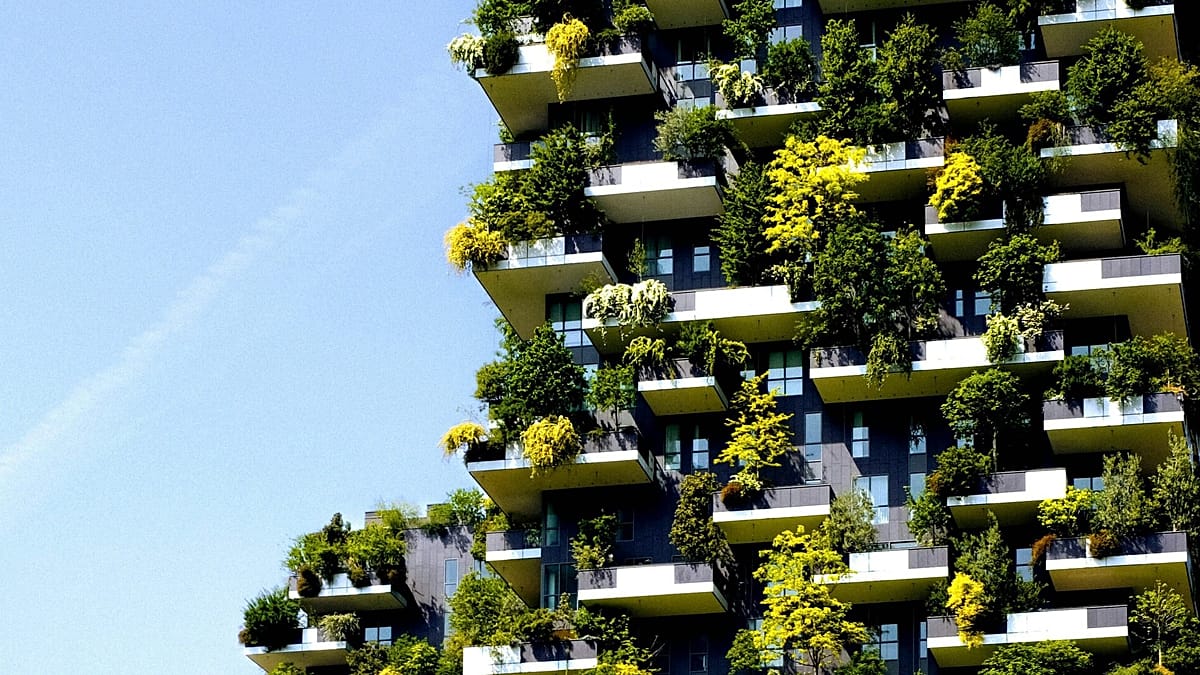
As the world's cities account for roughly three-quarters of global carbon emissions while occupying just three percent of the Earth's land, urban design has become a critical front in the fight against climate change. China, which has pledged to reach net zero by 2060, is testing bold architectural solutions in its southern metropolises—approaches that European planners are watching closely.
Buildings that can be taken apart and reused
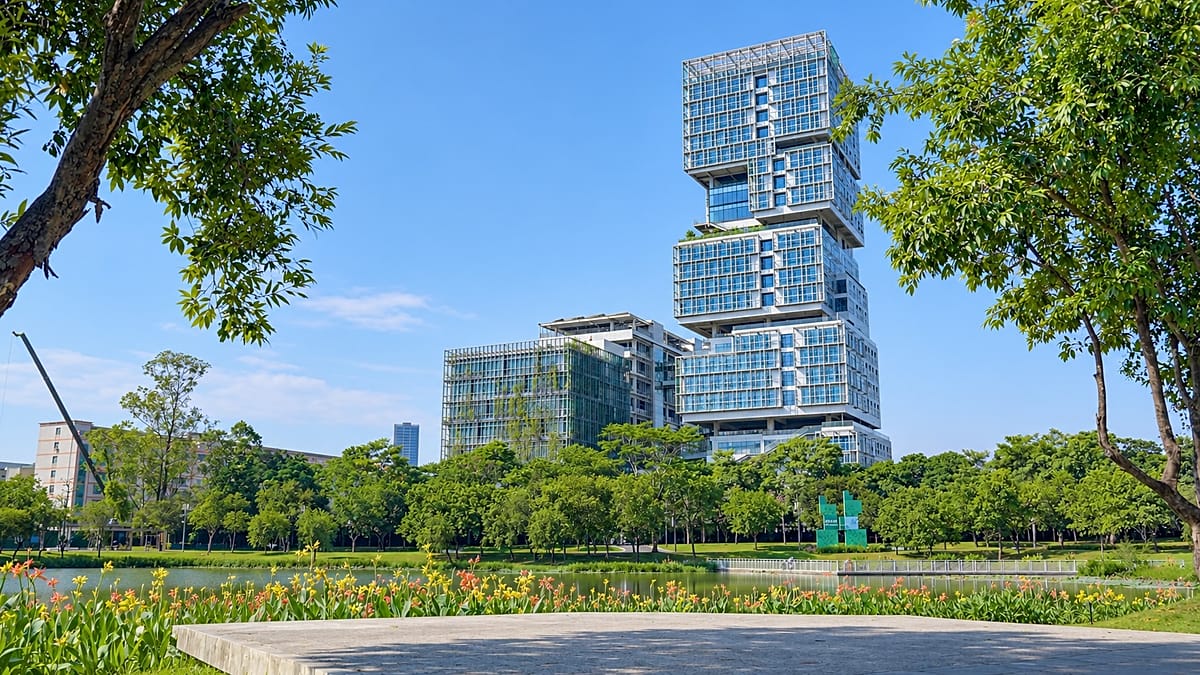
In Shenzhen, a city that has transformed from a fishing village into a tech hub in four decades, researchers at Tsinghua Shenzhen International Graduate School (SIGS) are rethinking the very concept of a building. Professor Peter Russell argues that designing structures for disassembly and reuse could dramatically reduce their ecological footprint. “The total life cycle impact of the building can be much less in terms of its ecological footprint,” he explains. Instead of demolishing and dumping concrete, components could be recovered and reassembled, turning the built environment into a material bank for future construction.
This circular approach is not merely theoretical. Shenzhen's rapid growth has generated mountains of construction waste, and the city is now a laboratory for how to close the loop. The idea resonates far beyond China—European cities facing strict emissions targets and raw material shortages could adopt similar principles, especially as the EU pushes for a circular economy action plan.
River breezes as a cooling system
Further south, in Guangzhou, the CCFED Sci-Tech Innovation Building demonstrates a low-tech yet ingenious solution. Chief Engineer Bai Wenhui says the near-zero-energy skyscraper harnesses the natural airflow from the nearby Pearl River. “If we turn off the air conditioning and open all the vents, the river breeze alone is enough to ventilate the entire building,” he notes. By integrating passive ventilation into the design, the building slashes energy demand for cooling, which is typically the largest electricity consumer in subtropical climates.
The strategy is particularly relevant for southern European cities like Athens, Barcelona, or Lisbon, where summer heat waves are intensifying. As climate change pushes temperatures higher, passive cooling could reduce reliance on energy-hungry air conditioning, easing pressure on power grids and cutting emissions.
Why Europe should pay attention
China's urban experiments are not isolated curiosities. They are part of a national push to green the construction sector, which accounts for a significant share of the country's carbon output. The lessons from Shenzhen and Guangzhou could inform European building codes and renovation strategies, especially as the EU aims to make all new buildings nearly zero-energy by 2030.
Europe has its own innovative projects, from Amsterdam's circular neighborhoods to Copenhagen's district cooling systems. But the scale and speed of Chinese urban experimentation offer a unique testing ground. As renewable energy deals between China and Türkiye show, cooperation on green technology is already underway.
However, the geopolitical context complicates technology transfer. Recent chip curbs and trade tensions highlight the risks of over-reliance on Chinese innovation. Yet in the realm of sustainable architecture, the exchange of ideas remains relatively open, and European firms are already partnering with Chinese developers on green building projects.
A blueprint for urban net zero
The Shenzhen and Guangzhou projects demonstrate that cutting urban emissions requires more than renewable energy—it demands a rethink of how we design, build, and operate our cities. For European policymakers, the takeaway is clear: the most sustainable building is the one that never needs to be demolished, and the cheapest cooling is the one that comes from nature.
As Europe accelerates its own green transition, these Chinese experiments offer both inspiration and caution. They show what is technically possible, but also underscore the need for local adaptation. A river breeze in Guangzhou may not work in Berlin, but the principle of working with the local climate is universal.
In the end, the race to net zero will be won or lost in cities. By learning from each other—across continents and political systems—urban planners can find solutions that are both effective and resilient. The buildings rising in Shenzhen and Guangzhou are not just structures; they are blueprints for a more sustainable urban future.