Eight countries outside the European Union have agreed to adopt the bloc's latest sanctions against Belarus, in a coordinated move to tighten pressure on Minsk for its backing of Russia's invasion of Ukraine. The decision, announced on Tuesday, brings the candidate countries and other European partners into line with measures the EU Council approved on July 23.
The aligning states are Albania, Bosnia and Herzegovina, Iceland, Liechtenstein, Montenegro, North Macedonia, Norway, and Ukraine. Each will ensure its national policies conform to the EU's restrictive measures, which are designed to curb Belarus's ability to support the Russian war effort and to limit its access to revenue.
What the new sanctions cover
The expanded package broadens restrictions on goods and technology that could enhance Belarus's military, technological, defense, or security capabilities. It also introduces further limits on imports of products that could provide Minsk with alternative sources of income, closing loopholes that have allowed the regime to profit despite earlier rounds of sanctions.
These measures are part of a wider European strategy to isolate Belarus economically and militarily. The EU has repeatedly accused President Alexander Lukashenko's government of complicity in Russia's aggression, pointing to the use of Belarusian territory for Russian troop deployments and missile launches. The new restrictions aim to reduce the country's capacity to support those operations.
The European Union welcomed the alignment, calling it a sign of solidarity among like-minded states. In a statement, the bloc said the move "demonstrates the shared commitment to uphold international law and to hold accountable those who enable Russia's illegal war." The eight countries join a growing list of non-EU nations that have voluntarily adopted EU sanctions packages, a practice that has become more common since the full-scale invasion of Ukraine began in February 2022.
Norway, a NATO member and close EU partner, has previously aligned with EU sanctions on Russia and Belarus. Ukraine, as a candidate for EU membership, has also adopted such measures, though its own sanctions regime is often more extensive. The Western Balkan countries—Albania, Bosnia and Herzegovina, Montenegro, North Macedonia—are all on the path to EU accession and have consistently aligned with the bloc's foreign policy positions. Iceland and Liechtenstein, both members of the European Economic Area, have also followed suit.
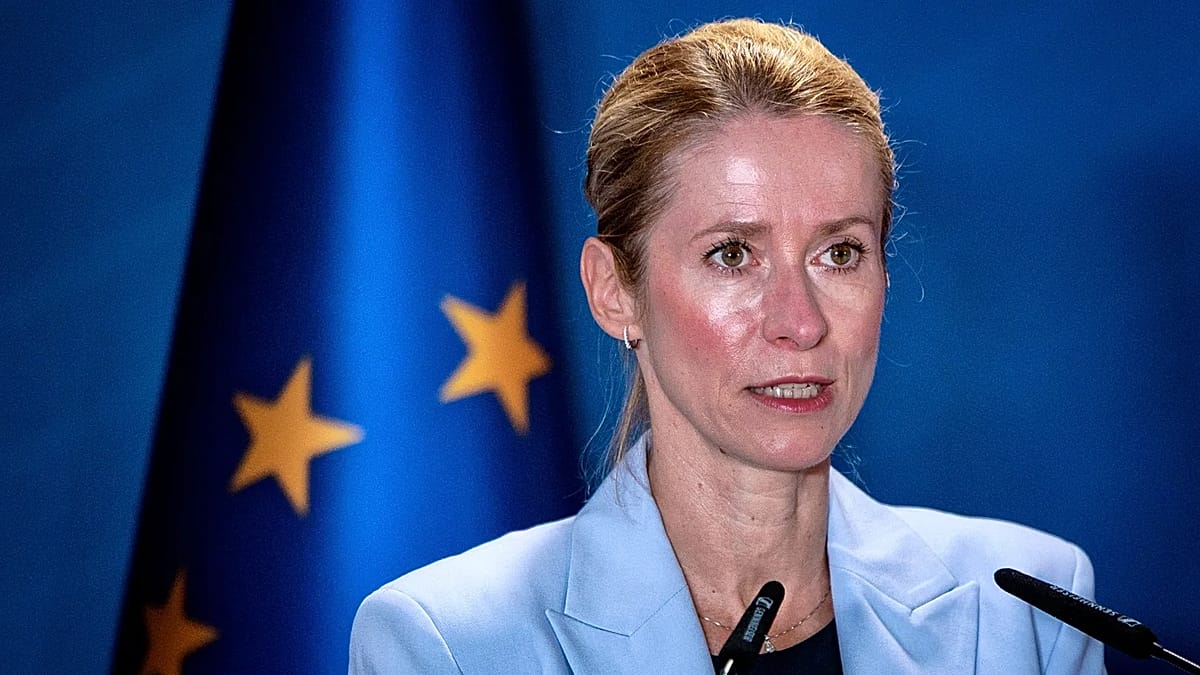
The timing of the announcement is notable, coming as the EU prepares to tighten Russia sanctions further this autumn, according to EU foreign policy chief Kaja Kallas. The Belarus measures are seen as a complement to those efforts, targeting a key ally of Moscow.
Analysts note that the effectiveness of sanctions depends on consistent enforcement. The alignment of non-EU countries helps close potential transshipment routes, where goods could enter Belarus through third countries and then be re-exported to Russia. By harmonizing their policies, these eight states reduce the risk of sanctions evasion.
The move also carries symbolic weight, reinforcing the isolation of the Belarusian regime. The death of prominent opposition figure Aliaksandr Milinkevich earlier this year served as a reminder of the country's repressive political climate. The EU and its partners have repeatedly called for the release of political prisoners and for free and fair elections, but Lukashenko has shown no sign of yielding.
For the eight aligning countries, adopting the sanctions is a relatively straightforward decision, as most already have similar measures in place. However, it requires domestic legal adjustments, which each government will now undertake. The EU said it expects the alignment to be implemented "swiftly and fully."
The new restrictions are likely to have a modest but tangible impact on Belarus's economy, which is already heavily dependent on Russia. Trade data show that Belarus's exports to the EU have fallen sharply since the first sanctions were imposed in 2021, and the latest measures will further limit its access to European markets and technology.
As the war in Ukraine continues, the EU and its partners are likely to keep expanding sanctions on both Russia and Belarus. The alignment of eight non-EU countries is a clear signal that the pressure will not let up.