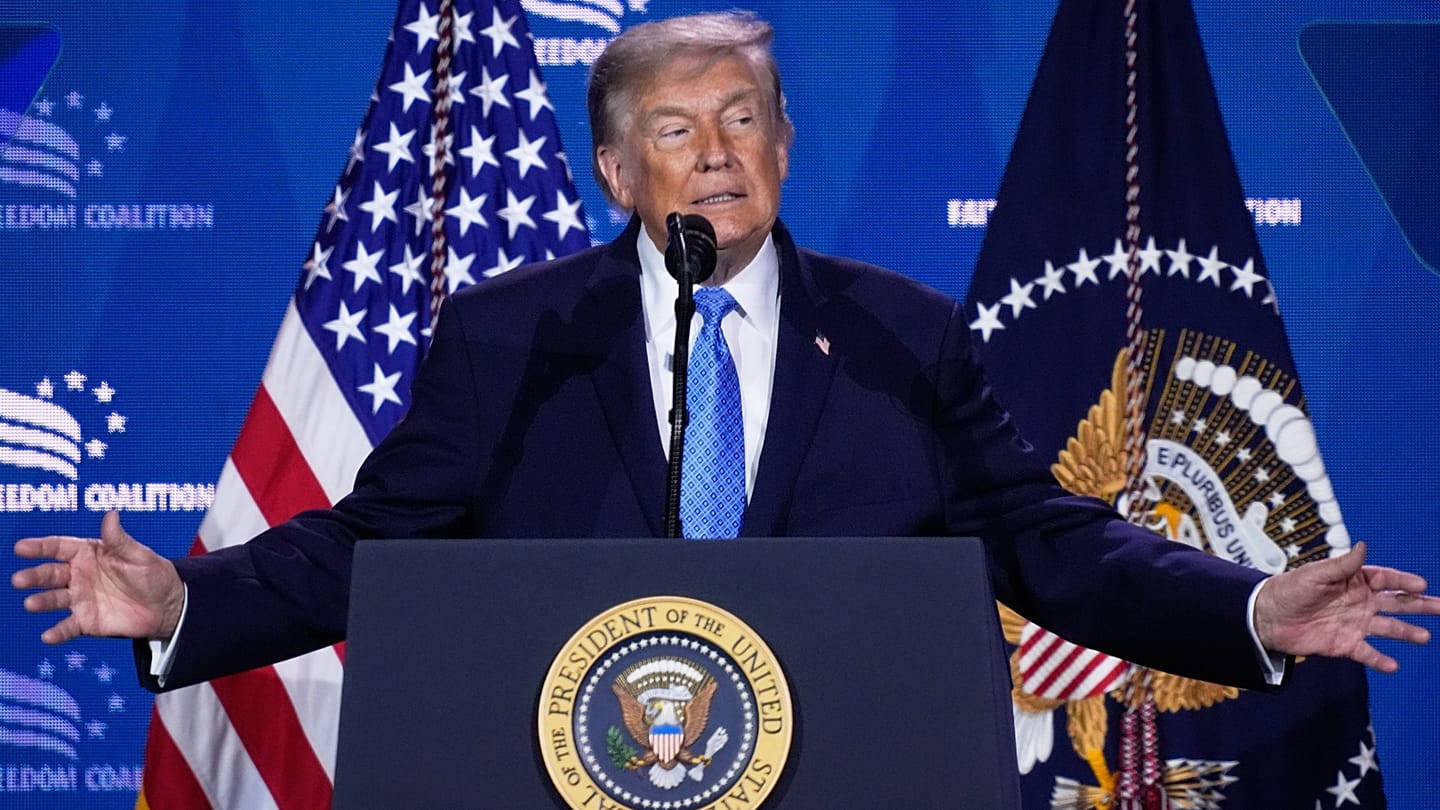
US President Donald Trump has escalated his trade war rhetoric, threatening to slap a 100% tariff on any European country that implements a digital services tax (DST). The warning, delivered via social media and echoed by administration officials, signals a new front in the ongoing transatlantic trade dispute.
Trump’s threat targets the European Union’s efforts to tax large technology companies—many of them American—based on their digital revenues within member states. Countries like France, Italy, and Spain have already introduced or proposed such taxes, arguing that tech giants like Google, Apple, and Meta benefit from European markets while paying minimal local taxes.
“If the European Union or any of its member states impose a digital services tax on American companies, the United States will respond with tariffs of 100% on their goods,” Trump wrote. He added that existing trade deals would be “scrapped” if the taxes proceed, though he did not specify which agreements.
European Reactions and Stakes
The threat comes as the EU is finalising its own digital levy, part of a broader push for digital sovereignty. A recent survey found that Europeans back digital sovereignty but balk at higher costs, highlighting the delicate balance policymakers must strike.
Brussels has long argued that DSTs are necessary to ensure fair competition and tax equity. The European Commission has proposed a continent-wide digital levy, but progress has been slow due to internal divisions and US opposition. Trump’s latest salvo could further complicate these efforts, potentially forcing EU leaders to choose between standing firm on tax fairness and risking a trade war.
France, which introduced a 3% DST in 2019, has been a particular target of US ire. Paris has defended the tax as a temporary measure until an international agreement is reached at the OECD. However, Trump’s threat could reignite tensions that had cooled under the Biden administration, which paused tariff threats while pursuing multilateral talks.
Italy and Spain, both of which have proposed similar taxes, also face potential retaliation. The US has previously threatened tariffs on French wine, Italian cheese, and Spanish olive oil—products that are politically sensitive in their home countries.
Broader Trade Implications
The threat is not isolated. Trump has also criticised NATO allies for defence spending, recently meeting with NATO Chief Rutte to ease tensions before the July summit. His administration has taken a confrontational stance on multiple fronts, from trade to security.
European leaders have responded cautiously. Ursula von der Leyen, President of the European Commission, reiterated the EU’s commitment to fair taxation but stopped short of a direct confrontation. “We are open to dialogue, but we will not be intimidated,” she said in a statement.
Economists warn that a 100% tariff would severely disrupt trade. The EU is the US’s largest trading partner, with bilateral goods and services trade exceeding $1 trillion annually. Retaliatory tariffs could hurt American exporters, particularly in agriculture and manufacturing, while raising costs for European consumers.
The dispute also risks undermining the OECD’s ongoing efforts to create a global tax framework for digital companies. Over 130 countries have signed onto the OECD’s two-pillar plan, which aims to reallocate taxing rights and set a minimum corporate tax rate. Trump’s unilateral threats could derail these negotiations, pushing Europe toward more aggressive unilateral measures.
For now, the ball is in Europe’s court. The EU must decide whether to press ahead with its digital tax agenda or seek a compromise to avoid a costly trade war. Either way, the outcome will shape the future of transatlantic economic relations and the global tax landscape.