Turkish prosecutors have lifted asset restrictions on dozens of companies and funds caught up in an investigation into the country's investment fund crisis, which has left more than 450,000 investors exposed. The decision came hours after a deputy chair of President Recep Tayyip Erdoğan's ruling AK Party resigned over allegations that she sold shares shortly before the market tumbled.
The Istanbul Chief Public Prosecutor's Office, acting on a fresh assessment from the Capital Markets Board (SPK), removed freezes on 45 companies and 19 funds. Measures against 42 individuals remain in place, according to Justice Minister Akın Gürlek. The initial freeze, imposed over the weekend, had targeted 46 legal entities, 18 funds and 42 individuals as part of a probe into suspected market manipulation.
Treasury and Finance Minister Mehmet Şimşek said the government's priority was to protect investment, employment, production and exports. "Legal proceedings against those involved in activity that distorted the market will continue," he said, "while people and companies unconnected to it will not face action."
Ruling party deputy quits amid share trading allegations
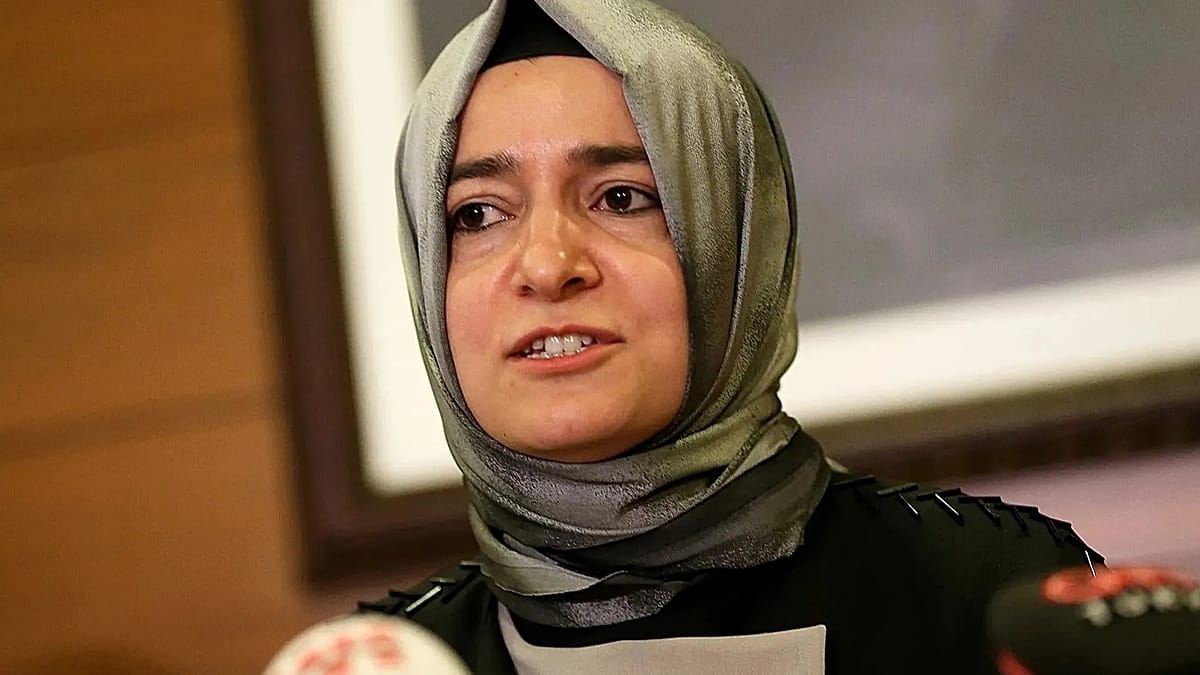
Fatma Betül Sayan Kaya, a deputy chair of the AK Party and a former family and social affairs minister (2016–2018), announced her resignation late on Saturday. She said she was stepping down so that the claims against her could be "clarified" and asked forgiveness from Erdoğan, who also chairs the AKP. Party spokesman Ömer Çelik confirmed on Sunday that Erdoğan had accepted her resignation.
The allegations centre on share sales worth tens of millions of dollars that Kaya reportedly executed just before Turkish stocks plunged on 16 September. Zeynel Emre, spokesman for the opposition New Party, alleged that Kaya received around 1.3 billion Turkish lira (€23.3 million) from selling shares—most of them in shipbuilder Özata Denizcilik—that she had bought for 63.4 million lira (€1.1 million) in April. Emre questioned the timing, suggesting she may have had advance knowledge of the impending market turmoil. Kaya has not directly responded to the allegations.
"We declare that all those who are involved in irregularities, corruption, abuse or anything that causes harm will be held accountable," Çelik said.
How the fund crisis unfolded
The crisis began after the SPK introduced tighter rules on 28 August, prompting withdrawals from several investment funds. Many of these funds held large stakes in thinly traded shares, making it difficult to sell without pushing prices down. As funds struggled to meet redemption requests, selling pressure intensified, and Turkish equities fell sharply on 15 and 16 September.
On 17 September, the SPK decided to liquidate 131 funds managed by Tera, Pusula, Hedef, Atlas, A1 Capital, Pardus and Bulls Portfolio. The affected funds are estimated to be worth more than $18 billion (€15.7 billion). The Istanbul Chief Public Prosecutor's Office launched an investigation into whether the funds' valuations were artificially inflated. The probe has already led to detentions, including the chairman of Tera, one of the fund managers.
The lifting of asset freezes is a significant step, but the investigation continues. Analysts note that the episode has shaken confidence in Turkey's financial markets, already under strain from high inflation and currency volatility. The government's response—balancing investor protection with the need to avoid a broader panic—will be closely watched in the coming weeks.
For European investors and businesses with exposure to Turkish assets, the case underscores the risks of operating in a market where regulatory changes can trigger sudden liquidity crises. The European Union and Turkey maintain close economic ties, and any prolonged instability in Ankara's financial sector could have ripple effects across the region.