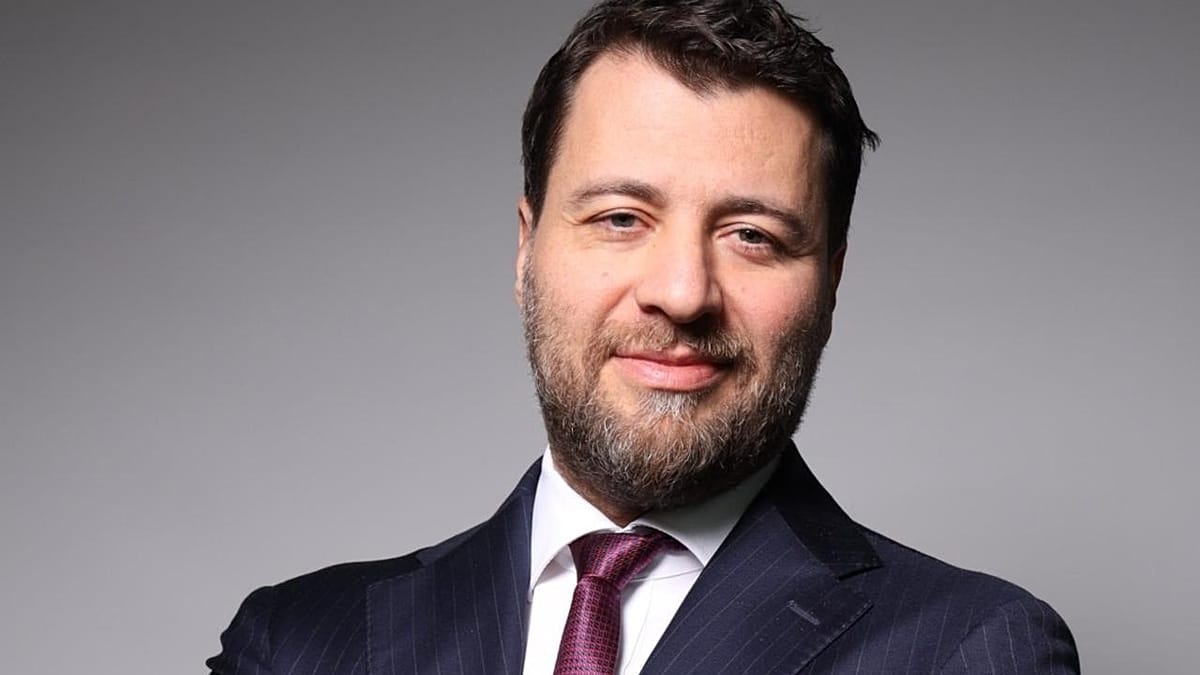
Turkish authorities arrested the chairman of brokerage Tera Yatırım on Wednesday morning, as the fallout from a widening investment fund scandal continues to spread. Emre Tezmen, who founded the firm, was taken into custody along with four others, including board members Kerem Alkin and Emre Alkin, Tera Portföy general manager Alper Öztürk, and Pusula Finans Holding chairman Serdar Turhan, according to Turkish broadcaster NTV.
The arrests come as regulators liquidate 131 funds managed by seven firms, with combined assets exceeding $18 billion (€15.7 billion) and held by more than 455,000 distinct investors. The Capital Markets Board (CMB) has extended the liquidation period from three to six months, aiming to sell assets under the most favourable conditions possible, but investors face uncertainty over how much they will recover.
Funds unravel amid liquidity crunch
The crisis erupted when several funds, including those run by Tera Portföy and Pusula Portföy, reported difficulties meeting withdrawal requests. These funds had invested heavily in thinly traded shares of smaller Turkish companies, where even modest buying could inflate prices. That created an illusion of strong returns, attracting new savers whose money was then used to purchase more of the same or related stocks. Some managers also borrowed against their holdings to buy additional shares.
When investors sought to exit, selling those illiquid assets risked driving prices down further, leaving funds short of cash. Tera Portföy admitted on 16 September that it had failed to make some payments, and Pusula Portföy reported similar delays.
Warning signs had emerged earlier. In June, index provider MSCI cautioned about “possible coordinated trading” involving fund holdings linked to smaller Turkish listed companies, which could distort prices. MSCI did not name any specific firm. Tera's own share price reportedly surged more than 50,000% at its peak, just four years after its listing.
Authorities move to contain damage
Turkish authorities have frozen assets linked to executives at several financial firms and restricted transactions by some individuals, their spouses, and close relatives, according to state news agency Anadolu. Prosecutors have also requested records of money and crypto transfers abroad since 2024 to determine whether assets were moved overseas.
Justice Minister Akın Gürlek said on social media that “those who exploit the sweat, labour, and savings of our citizens will be held accountable before the law,” adding that authorities were pursuing allegations involving “Ponzi-like” methods. By last Friday, four suspects had been remanded in custody and 51 people barred from leaving the country.
Brokerage Bulls Yatırım said its chairman, Kemal Akkaya, had been released after giving testimony, in which he denied any involvement in the fund structures described as “Ponzi” or “chain schemes.”
Finance Minister Mehmet Şimşek sought to reassure markets, saying the affected funds represent only 10% of the sector and that “we have placed the problematic area under quarantine.” He added that he does not expect the crisis to spread across Turkey’s financial markets.
İşbank and state-owned Ziraat Bank will oversee the liquidation process. Investors are expected to receive proceeds in proportion to their holdings as assets are sold, but the final recovery rate remains unclear.
The scandal has also drawn attention to regulatory gaps. Turkey’s regulators tightened rules affecting investment funds in August, and MSCI has said it may consider further action regarding Turkish securities in its indices if insufficient progress is made by its November review.
For the thousands of ordinary savers caught up in the turmoil, the wait for answers—and for their money—could stretch for months. The case has also cast a shadow over Turkey’s investment landscape, raising questions about oversight and investor protection in a market that has seen rapid growth in recent years.