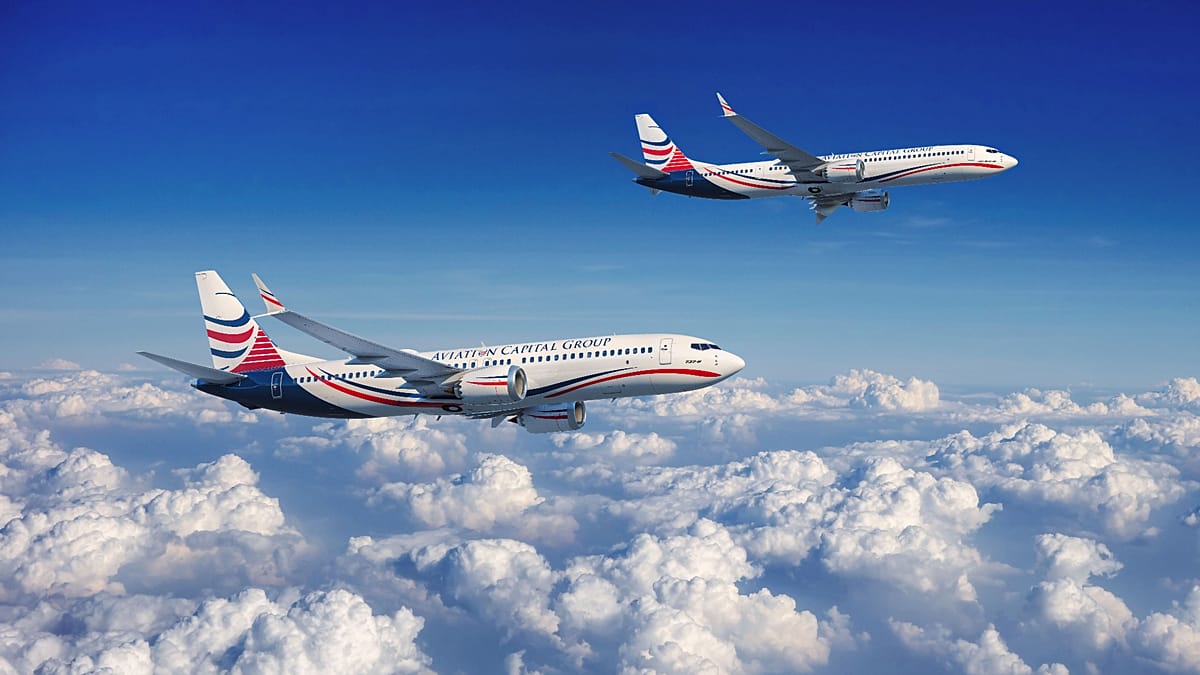
Turkish Airlines has confirmed a major fleet expansion with an order for 150 Boeing 737 MAX aircraft, a deal that underscores the carrier's continued growth ambitions and gives Boeing a significant boost in its European sales portfolio.
The Istanbul-based airline announced on Wednesday that it had decided to purchase 100 firm Boeing 737 MAX jets, with options for an additional 50 aircraft. Deliveries are scheduled to take place between 2033 and 2037, according to the company's statement.
The announcement came as Turkish President Recep Tayyip Erdoğan was in New York for the UN General Assembly, where he met with US President Donald Trump alongside other Middle Eastern leaders. Trump took to his Truth Social platform to celebrate the deal, calling it a "big day for Boeing and American manufacturing" and estimating it would generate tens of billions of dollars in sales and support tens of thousands of American jobs.
This latest order follows a similar announcement almost exactly a year ago, when Turkish Airlines said it would buy 225 Boeing jets after talks between Erdoğan and Trump at the White House. That earlier agreement was part of a broader effort to modernise the carrier's fleet and expand its global reach.
Strategic expansion for a global carrier
Turkish Airlines, based at Istanbul Airport, currently operates a fleet of 514 aircraft and serves more than 130 countries. In 2025, the airline carried 92.6 million passengers, according to figures on its website. The new order is likely to support its long-term strategy of making Istanbul a major international hub, connecting Europe, Asia, and beyond.
The deal also highlights the ongoing relationship between Boeing and Turkish Airlines, which has historically been a key customer for both Boeing and its European rival Airbus. The choice of the 737 MAX, a narrow-body workhorse, suggests the airline is focusing on efficiency and flexibility for its medium-haul routes across Europe and into the Middle East and Central Asia.
For Boeing, the order is a welcome piece of news as it continues to recover from a series of production and safety challenges. The 737 MAX has been at the centre of scrutiny since two fatal crashes in 2018 and 2019, but the aircraft has since returned to service worldwide after extensive modifications and regulatory approvals.
The timing of the announcement, during Erdoğan's visit to the US, also carries political weight. It comes amid complex US-Turkish relations, which have been strained by issues such as Turkey's purchase of Russian S-400 missile systems and its military operations in Syria. However, trade and defence ties remain significant, and this deal could be seen as a gesture of economic cooperation.
Turkish Airlines' expansion is part of a broader trend in the region, where carriers are investing heavily in new aircraft to meet growing demand. The airline's decision to order more 737 MAX jets may also influence other European carriers, which are watching the aircraft's performance and reliability closely.
As the European aviation market becomes increasingly competitive, Turkish Airlines' move signals its intent to maintain a leading position. The airline has been expanding its network, adding new destinations and increasing frequencies on existing routes, and this order will provide the capacity to support that growth well into the next decade.
With deliveries not starting until 2033, the airline will have time to phase out older aircraft and integrate the new jets seamlessly. The option for 50 additional aircraft gives Turkish Airlines flexibility to adjust its fleet size based on market conditions.
For now, the deal is a clear statement of confidence in Boeing and in the future of air travel, even as the industry faces challenges such as rising fuel costs, environmental pressures, and geopolitical uncertainties.