Across Europe, an estimated 66 million people live with diabetes, and roughly 2.7 million of them have type 1 diabetes—the highest regional prevalence in the world. The condition often emerges in childhood or adolescence, demanding daily vigilance over blood sugar levels. Yet, according to Thanasis Tziamourtas, a professor at the University of Thessaly in Greece, that diagnosis should not relegate a child to the sidelines.
Type 1 diabetes is an autoimmune disease in which the body's immune system attacks the insulin-producing beta cells in the pancreas. Unlike type 2 diabetes, it is not linked to lifestyle factors such as obesity or inactivity. "Insulin therapy is essential for life, whether via multiple daily injections or through an insulin pump," Tziamourtas explains. But he stresses that this necessity should not become a barrier to physical activity.
Elite athletes prove the point
Examples from the top echelons of sport illustrate the message. German tennis star Alexander Zverev has lived with type 1 diabetes since age four, competing in matches that can stretch for hours with bursts of high-intensity effort. American swimmer Gary Hall Jr. won ten Olympic medals, five of them gold, despite his diagnosis. Dutch volleyball player Bas van de Goor, an Olympic champion, also manages the condition.
These athletes demonstrate that with the right preparation, type 1 diabetes does not have to cap ambition. Tziamourtas points to international guidelines that recommend about 60 minutes of moderate to vigorous physical activity daily for children and adolescents with type 1 diabetes—the same as for their peers without the condition.
"Exercise is not simply a permitted activity but an important part of a healthy lifestyle," he says. "Regular exercise improves cardiorespiratory fitness, muscle strength, insulin sensitivity, body composition and cardiovascular risk factors. At the same time, it offers significant psychological and social benefits and helps a child feel able to take part in the same activities as their peers."
The glucose-exercise puzzle
Yet exercise presents a unique challenge for those with type 1 diabetes. During physical activity, muscles consume more glucose, and in a healthy person the pancreas automatically reduces insulin secretion. For someone with type 1 diabetes, insulin is delivered externally and cannot be adjusted in real time in the same way. This can lead to hypoglycaemia, especially during prolonged aerobic efforts like running, cycling, or swimming.
Conversely, very intense activities—sprints, high-intensity drills, or a fiercely contested match—can temporarily raise blood glucose due to adrenaline release. "So there is no single 'glucose response to exercise'," Tziamourtas notes. "It depends on the intensity and duration of the effort, the type of exercise, physical fitness, the previous meal, the amount of active insulin and glucose levels before starting the activity."
Preparation over avoidance
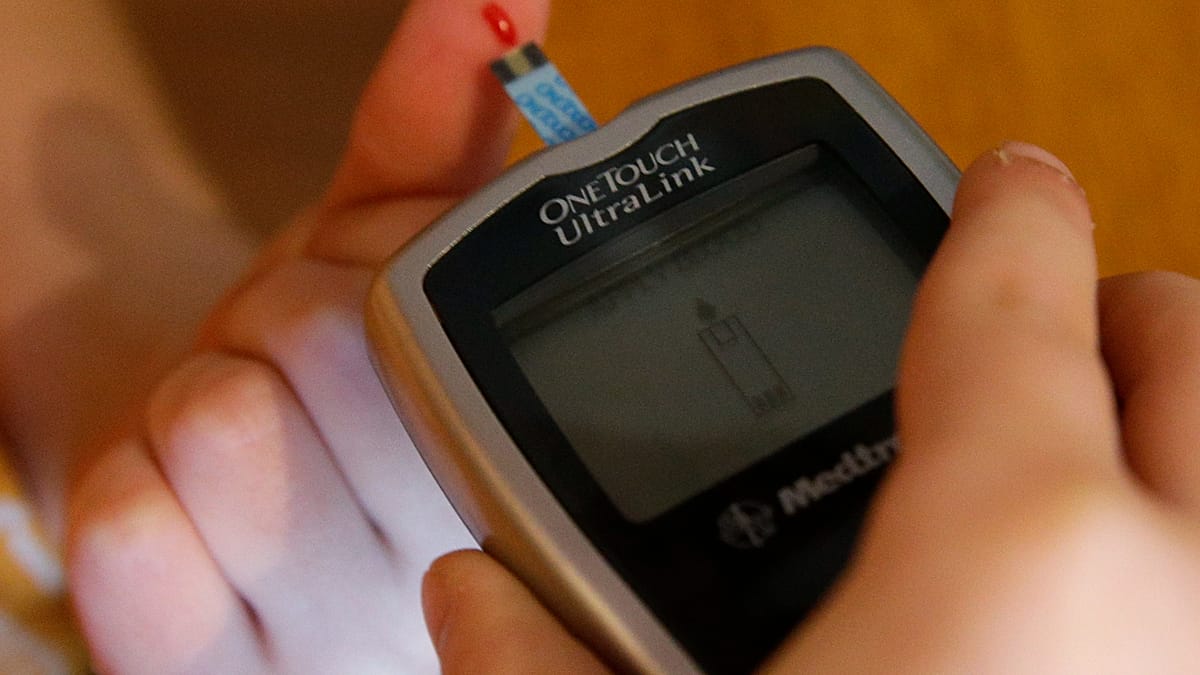
The key for families is not to avoid exercise but to prepare thoroughly. Glucose levels should be checked before, during (especially for longer sessions), and after activity. Continuous glucose monitoring (CGM) systems now provide real-time readings and trend data, offering valuable support. Children should also carry fast-acting carbohydrates—glucose tablets or a sugary drink—to counter any sudden drop.
Care extends beyond the training session. Blood sugar can fall hours later, particularly if exercise occurs in the late afternoon or evening, raising the risk of nocturnal hypoglycaemia. Conversely, if glucose is very high and ketones are elevated, vigorous exercise should be postponed.
Insulin adjustments must be individualised. "Adjustments to insulin and carbohydrate intake are not the same for everyone," Tziamourtas emphasises. "They must be tailored in collaboration with the care team, taking into account the type of exercise, the time of day, its duration and intensity, and the person's previous experience."
The overarching message is one of empowerment. "A diagnosis of type 1 diabetes undoubtedly changes the daily life of a child and their family," Tziamourtas says. "It should not, however, become a reason to be excluded from play, physical activity or sport. Today, continuous glucose monitors, insulin pumps and automated insulin delivery systems offer opportunities that did not exist a few decades ago. Together with the right education, they enable children and adults with type 1 diabetes to be active more safely."
He concludes with a direct appeal: "The message to the child and their family should therefore not be 'Be careful, because you have diabetes, don't exercise'. It should be exactly the opposite: 'Exercise, know your body, monitor your glucose and learn to adjust your insulin and your diet correctly.'"
For parents seeking guidance, resources like exercise's role in managing health and early-life dietary influences offer broader context. But the core takeaway is clear: with proper management, type 1 diabetes should not set the limits on a child's sporting dreams.