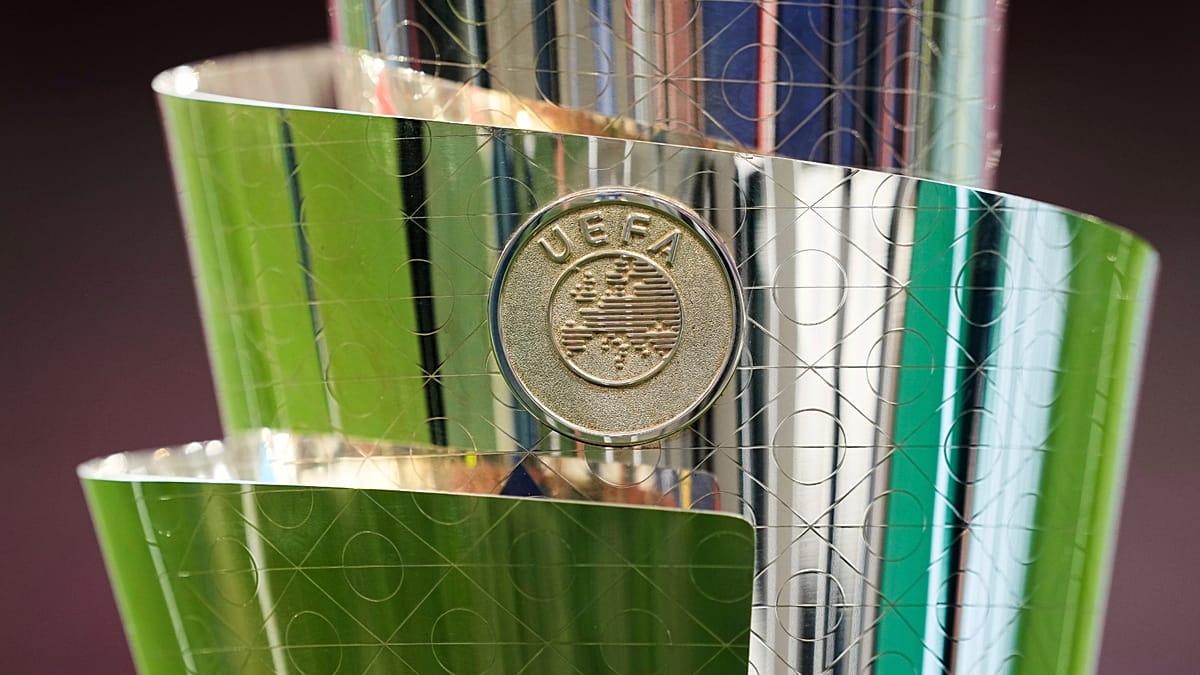
UEFA has formally extended the suspension of Russian national teams and clubs from all its competitions for the 2026/27 season, maintaining the sanctions first imposed in February 2022 after Russia launched its full-scale invasion of Ukraine.
The Union of European Football Associations revised its list of eligible entrants for the upcoming season to reflect the ongoing ban. The official document states that the Executive Committee amended the list “in order to bring it into line with the current suspension of Russian national teams and clubs from UEFA competitions.” It also adjusted participant lists based on competition results, including the redistribution of titleholder places and access via European performance-based quotas.
Ukrainian Pressure and Wider Context
In early June, the Ukrainian Association of Football, the National Olympic Committee of Ukraine, and the Ministry of Youth and Sports jointly appealed to FIFA and UEFA leadership, urging them not to alter existing sanctions against Russia and to impose similar restrictions on Belarus. The appeal came amid ongoing diplomatic and security tensions, including Russian drone attacks on Kharkiv and broader military escalation.
Since the initial suspension, Russian national teams have been barred from qualifying for major tournaments, including the 2022 FIFA World Cup in Qatar, where they were due to compete in play-offs. Russian Premier League clubs were also excluded from European club competitions such as the Champions League, Europa League, and Europa Conference League.
As a result of the ban, Russia has slipped to 28th place in UEFA's coefficient rankings. In theory, the country could have entered four teams in European club tournaments based on its ranking, but the suspension prevents any participation.
Isolation and Its Consequences
The Russian national team now plays only friendly matches, with recent opponents including Burkina Faso, Egypt, Mali, and Nicaragua. Russian sports commentators have acknowledged that the “isolation is slowly but surely leading to the decline of football” in the country. The lack of competitive matches against top-tier European sides has hampered player development and reduced the profile of Russian football internationally.
UEFA has not completely severed ties, however. It continues to award Russia the minimum possible coefficient each season and is honouring its financial commitments on solidarity payments and the development of youth and grassroots football. This approach mirrors broader European policy debates, such as targeted Schengen visa restrictions for Russians pushed by Nordic states, which aim to isolate the Russian state while maintaining limited channels for civil society.
In September 2023, UEFA's Executive Committee briefly decided to allow Russia's youth teams (under-17s) to return to competition, but the decision was reversed in October following widespread criticism from European football associations and governments.
The extension of the ban for the 2026/27 season underscores the continued impact of the war on European sport. With no end to the conflict in sight, Russian football remains in a state of limbo, excluded from the continent's premier competitions and forced to rely on friendlies against non-European opponents. The decision also aligns with broader European security measures, including NATO air policing missions over the Baltic and diplomatic efforts to isolate Russia internationally.