British Foreign Secretary Ed Miliband has condemned Israel's decision to close the UK's consulate in Jerusalem as "regrettable and damaging," following a coordinated Western sanctions package targeting settler violence in the occupied West Bank. The move, announced on Tuesday, came after twelve nations—including the UK and France—agreed to restrict trade with Israeli settlements, a response to escalating attacks on Palestinians in the territory.
Speaking to BBC Radio on Wednesday, Miliband said the retaliation was anticipated, noting that other countries, such as the Netherlands, had faced similar reprisals after imposing their own sanctions. "We saw other countries, the Dutch, for example, who had announced sanctions, who had seen these reprisals from Israel. I think they're regrettable and damaging," he said.
Israel's measures include the expulsion of British representatives from a centre monitoring the US-brokered ceasefire in Gaza, a ban on British training for Palestinian Authority forces, and a prohibition on visits by twelve Britons, mostly members of parliament. Despite these actions, Miliband rejected suggestions that intelligence cooperation with Israel would suffer. "We have important intelligence and security relationships with Israel and I'm confident they will continue," he said, adding that he remained committed to working with Israeli partners on shared threats, including from Iran.
The sanctions, announced in a joint statement by the foreign ministers of the twelve countries, cite "unprecedented levels of settler violence and settlement expansion" as undermining the two-state solution. The statement reads: "Together, we are resolute: the two-state solution must be protected, and we will take action in pursuit of a just and lasting peace."
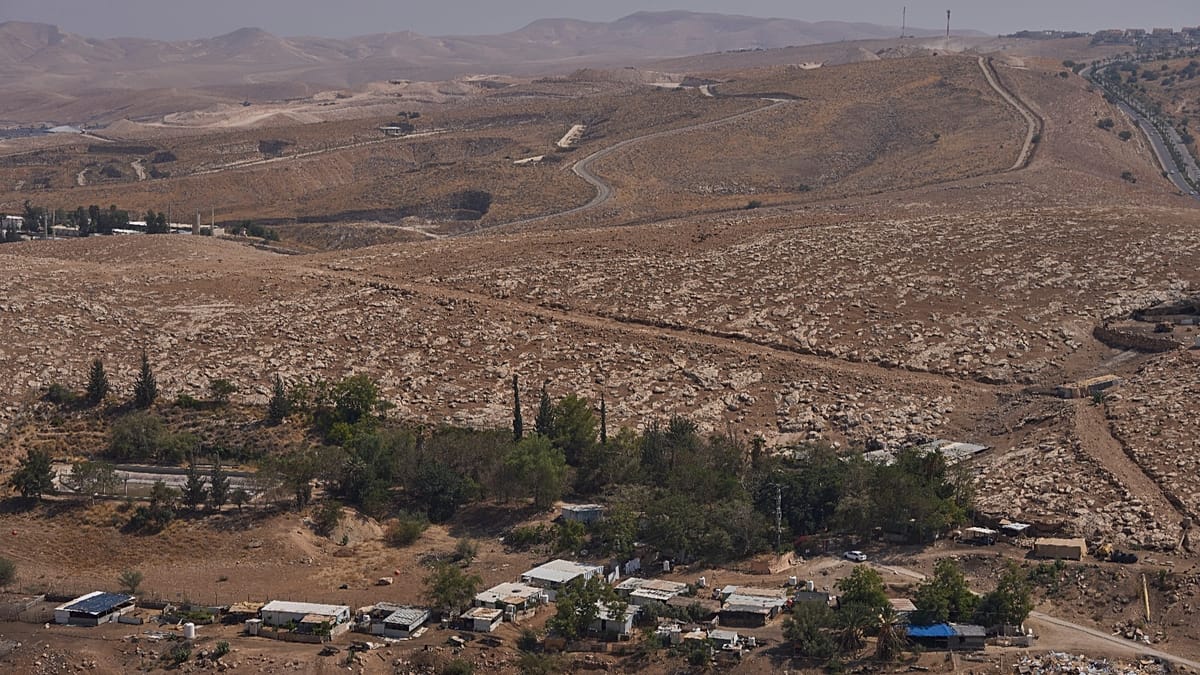
The decision follows Israel's recent tender for the construction of around 1,200 housing units in the E1 settlement area, which would further isolate East Jerusalem from the rest of the West Bank. The move drew widespread international condemnation, including from human rights groups.
Domestic criticism and concerns
Miliband also dismissed criticism from Britain's Chief Rabbi, Ephraim Mirvis, who called the sanctions "little more than political flag-bearing" and predicted they would "bolster the very extremism they seek to target." Mirvis described the measures as "a truly dark day for British Jews," a sentiment that resonates amid a rise in antisemitic attacks in London, including incidents targeting synagogues and other Jewish sites.
The sanctions have sparked debate within the UK, with some arguing that they could strain diplomatic relations and undermine security cooperation. However, Miliband insisted that the measures are necessary to uphold international law and protect the viability of a two-state solution.
The West Bank has been under Israeli occupation since 1967 and has seen a surge in violence since the outbreak of the war in Gaza, which began after Hamas's attacks on Israel on 7 October 2023. According to a report from the Office of the United Nations High Commissioner for Human Rights, there were approximately 737,000 Israeli settlers in the West Bank, including East Jerusalem, as of October 2024.
The sanctions are part of a broader European effort to address the deteriorating situation. The twelve-nation move reflects growing frustration with Israel's settlement policies, which many European governments view as an obstacle to peace. The EU has also been exploring other measures, including sanctions that avoid harming ordinary people.
Meanwhile, the conflict continues to reverberate across the region, with recent Israeli strikes in Lebanon and ongoing tensions in the West Bank. European diplomats are closely monitoring the situation, with some calling for a more robust international response to prevent further escalation.
Miliband's comments come as the UK seeks to balance its support for Israel's security with its commitment to international law and human rights. The sanctions, while symbolic in some respects, signal a shift in European policy toward more concrete measures to address settlement expansion and settler violence.
As the situation evolves, European leaders will be watching to see whether Israel's retaliatory measures will deter other countries from taking similar actions, or whether they will galvanize further international pressure. For now, the UK remains firm in its position, with Miliband emphasizing that the sanctions are a necessary step toward a just and lasting peace.