British forces intercepted a Russian shadow fleet oil tanker in the English Channel on Sunday, in what the government described as the first UK-led operation of its kind. The boarding of the vessel Smyrtos involved Royal Marine Commandos and officers from the National Crime Agency (NCA), supported by Chinook, Merlin and Wildcat helicopters, a Royal Air Force P-8, and the Royal Navy ships HMS Sutherland and HMS Ledbury.
The operation, which lasted six hours, targeted a ship believed to be part of Russia's so-called shadow fleet — a network of tankers that use complex ownership structures, flags of convenience, and other tactics to circumvent Western sanctions on Russian oil exports. These measures prevent Moscow from chartering or insuring tankers unless it complies with specific restrictions.
Strategic Interdiction in the Channel
The Smyrtos will now be moved to anchor off the UK's south coast, where authorities will monitor it for safety and environmental hazards. According to Ukraine's Main Directorate of Intelligence, the vessel typically operates out of the Russian port of Kozmino and has been exporting oil products since March 2025.
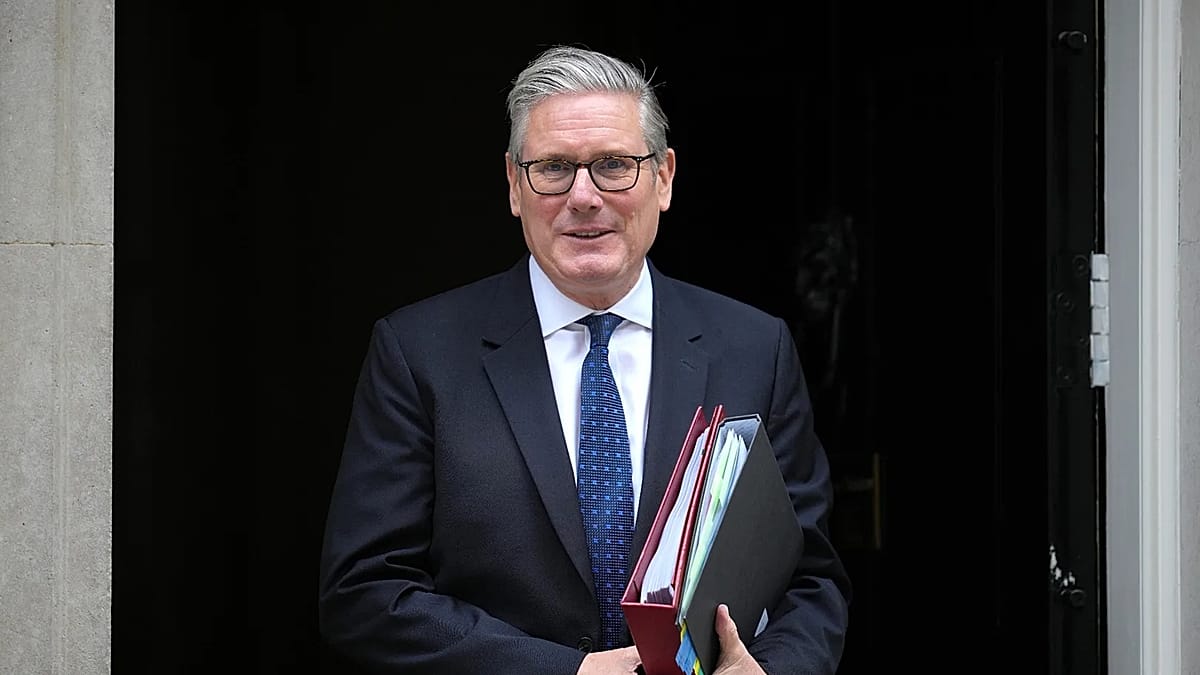
British Prime Minister Keir Starmer announced the operation on social media, stating it delivered "yet another blow to Russia" and served as a reminder that "those fueling Putin's war in Ukraine will not be allowed to hide." The UK has been a staunch supporter of Ukraine since Russia's full-scale invasion in 2022, providing military aid and enforcing sanctions.
Dan Jarvis, a former army officer who recently became the UK's secretary of defence, praised the personnel involved for their "skill, professionalism and courage." The operation underscores the UK's willingness to take direct action against vessels that help Russia evade sanctions, a tactic that has drawn increasing attention from European allies.
The shadow fleet has become a critical tool for Moscow to maintain oil revenue despite Western embargoes. By using opaque ownership and flags from countries like Panama or Liberia, these tankers can transport crude to buyers in Asia and elsewhere. The European Union and the United Kingdom have imposed sanctions on dozens of such vessels, but enforcement at sea remains challenging.
This interdiction comes as Ukraine's drone campaign strangles Russian supply lines to Crimea, and as the EU streamlines defence procurement to counter Russian threats. The UK's action also aligns with broader European efforts to tighten the noose on Russia's war economy, including Poland and Germany's plans for Baltic offshore wind farms to reduce reliance on Russian energy.
The operation in the English Channel highlights the growing role of naval and law enforcement assets in enforcing economic sanctions. While the UK acts independently, its approach mirrors that of other European nations, such as Denmark and the Netherlands, which have also stepped up inspections of suspicious vessels in their waters.
Critics argue that shadow fleet operations are difficult to fully disrupt due to the sheer number of vessels and the ease with which they can change names or flags. However, the UK's boarding of the Smyrtos signals a more assertive stance, one that could set a precedent for similar actions by other European states.