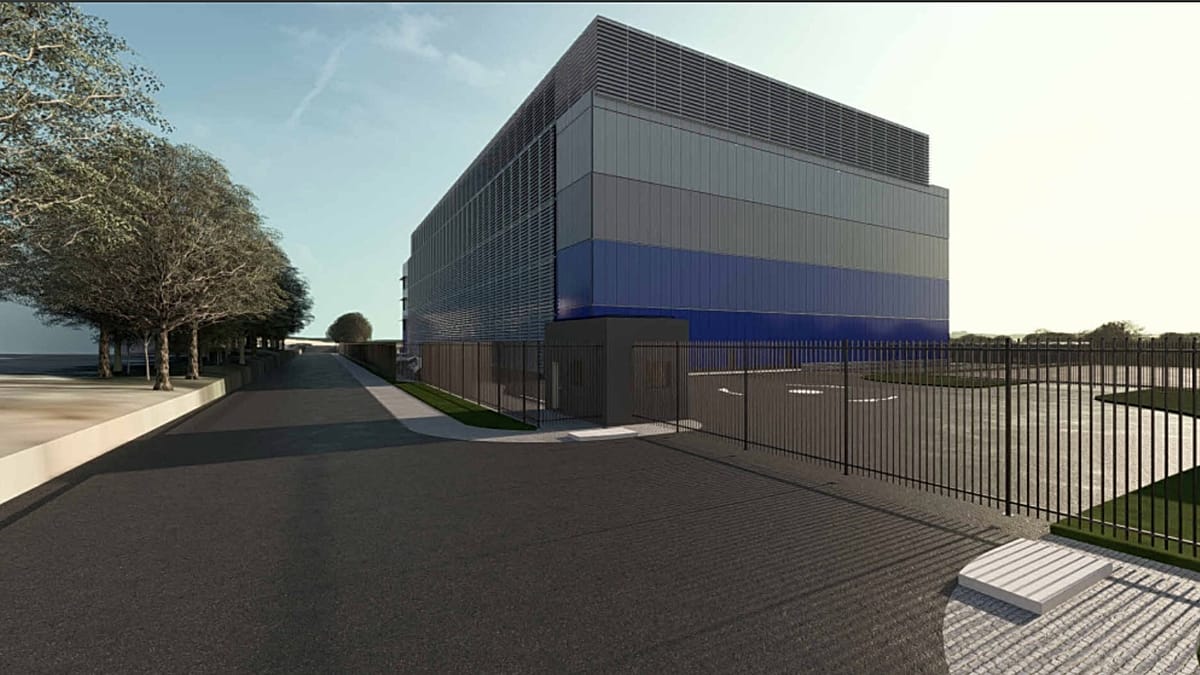
The launch of the United Kingdom's largest planned AI supercomputer, initially slated for next year, could be pushed back to the 2030s due to difficulties securing a sufficient electricity supply. The project, developed by UK-based start-up Nscale in Loughton, east of London, was announced as part of the first tech deal between the UK and the US, underscoring Britain's ambition to become a leader in artificial intelligence.
Nscale, which counts US chipmaker Nvidia among its investors, plans to install around 23,000 Nvidia AI chips at the site, linking them to form what it claims will be the UK's most powerful AI supercomputer. The computing capacity is intended to support Microsoft's Azure cloud services. However, UK Power Networks (UKPN), the local grid operator, has informed Nscale that the grid will not be able to supply the required electricity until the early to mid-2030s, according to UK AI industry newsletter The Morning Intelligence.
UKPN pointed to necessary upgrades on the wider national transmission network, which is managed by National Grid in England and Wales. National Grid said it is collaborating with the national system operator NESO and local network operators to accelerate connection timelines. In the meantime, Nscale is exploring on-site power generation and discussing with UKPN ways to expedite the grid connection.
Europe's data centre energy crunch
The Loughton facility is part of Nscale's broader plan to deploy nearly 59,000 Nvidia AI chips across data centres in the UK. The company says the site could eventually expand from 50 to 90 megawatts of power—enough, if used continuously, to consume as much electricity in a year as about 315,000 typical UK homes, based on 2026 figures from UK energy regulator Ofgem.
This bottleneck is not unique to the UK. Across Europe, data centre electricity consumption is projected to rise from 96 terawatt-hours in 2024 to 236 terawatt-hours by 2035, according to UK-based energy think tank Ember. The surge is prompting authorities to tighten regulations for new data centres amid growing pressure on electricity grids. Earlier this month, Scotland halted new hyperscale AI data centre approvals over concerns about grid capacity.
The challenges facing Nscale reflect a broader European trend: startups are exploring innovative solutions to the AI power crunch, from smarter grid management to reusing waste heat. Some analysts see potential in reviving Europe's nuclear sector to meet the growing demand, while others look to battery storage to cushion grid strains.
For Nscale, the delay underscores a critical bottleneck for Europe's AI ambitions: the infrastructure needed to power them. As the continent races to build out its digital economy, the question of where the electricity will come from—and how quickly grids can be upgraded—looms large. The UK's experience may serve as a cautionary tale for other European nations pursuing similar projects.