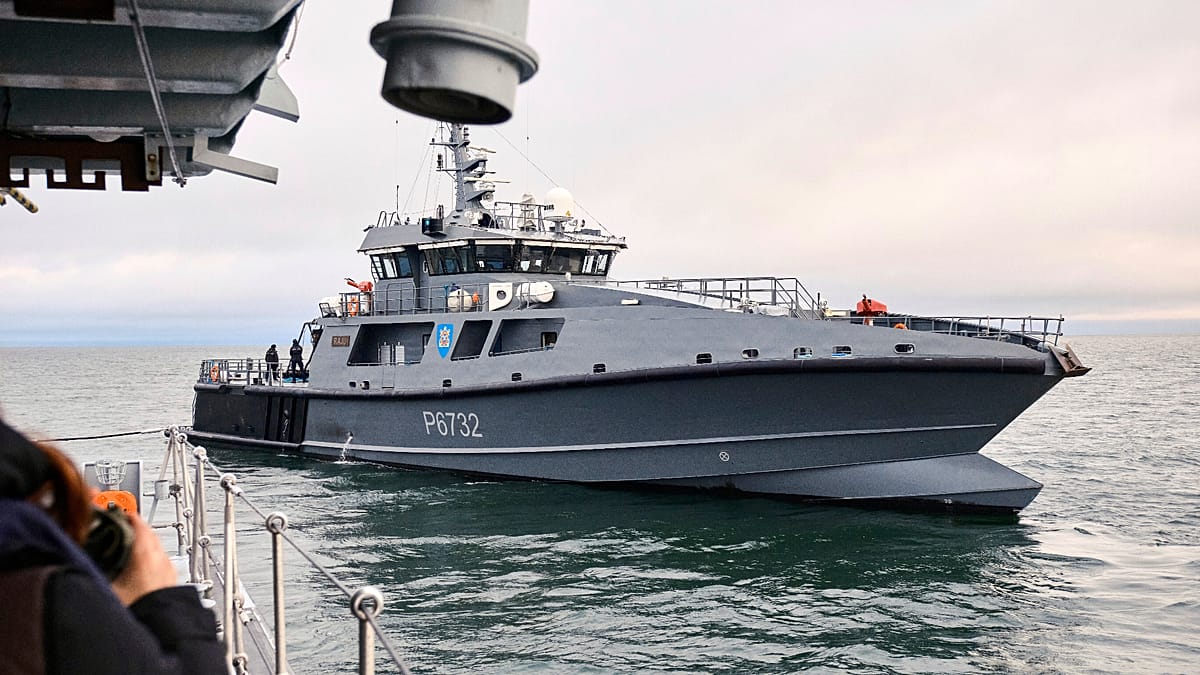
As concerns over sabotage and suspicious Russian activity in European waters intensify, the United Kingdom is advancing legislation that would make deliberately damaging critical undersea infrastructure a criminal offence punishable by up to 14 years in prison. The proposed changes, announced by the government, also include unlimited fines for interfering with cables and pipelines, and would modernise laws that have remained largely unchanged since 1885.
The new measures would impose security obligations on cable operators and grant the government broader powers to respond to national security threats. Telecoms minister Ian Murray justified the move by pointing to a shifting threat landscape: "The threats we face have changed dramatically, with suspicious Russian activity around critical undersea infrastructure."
The UK's initiative follows a series of incidents across European waters, including the Nord Stream pipeline sabotage in 2022, damage to the Balticconnector gas pipeline in 2023, and several undersea cable failures in the Baltic Sea in 2024. These events have underscored the vulnerability of the infrastructure that connects Europe and the wider world.
Subsea fibre-optic cables carry roughly 99% of intercontinental internet traffic, according to a 2025 report by the European Commission's Joint Research Centre. Stretching thousands of kilometres along the seabed, they transmit everything from video calls and emails to financial transactions and business communications. A severed cable does not necessarily cause an internet blackout—data can be rerouted through alternative connections—but the added traffic can overwhelm backup capacity, slowing online payments, banking services, and other applications that depend on reliable connectivity.
Can tougher laws make Europe's underwater networks safer?
While the UK government argues that stronger laws are necessary to deter interference and improve operators' preparedness, industry insiders warn that tougher penalties alone cannot guarantee network resilience. Tony O'Sullivan, CEO of international network operator RETN, which carries data across Europe, Asia, and North America, told Euronews Next: "Adding more cables along the same corridors doesn't guarantee resilience."
Laying new cables along existing routes is often cheaper, but they can end up sharing landing points and passing through the same narrow corridors. "We call it 'fake diversity'," O'Sullivan said. This means several connections could be damaged in a single incident, even when operators have invested in additional cables.
The risks extend beyond deliberate sabotage. Around 150 to 200 subsea telecommunications cable faults occur worldwide each year, with 70 to 80% caused by accidental human activity, primarily fishing and ships dragging anchors, according to a report by the International Cable Protection Committee (ICPC). However, O'Sullivan warns that investment is not keeping pace with the growing risks.
"The fix is simple—we need more routes, subsea and on land, that go different ways. It's more expensive, but it significantly reduces the risk of a single incident taking out several routes at once and slowing down services for millions of people," he said.
How is the rest of Europe protecting its cables?
Similar efforts to strengthen underwater infrastructure are underway elsewhere in Europe. Denmark is developing new surveillance capabilities to monitor critical underwater infrastructure, including cables and pipelines, and detect potential threats. In February 2026, the European Commission announced a €347 million investment in strategic submarine cable projects, including €20 million to strengthen repair capabilities in the Baltic Sea.
These moves come as European nations grapple with the challenge of securing vital digital arteries. The Finnish court's sentencing of a Russian captain for Baltic cable sabotage highlights the legal consequences now being applied. Meanwhile, Spain's Indra-led alliance is working on technological solutions to monitor and protect these networks. The EU's Arctic strategy even proposes a Greenland cable to counter digital threats, reflecting the continent's growing focus on resilience.
Yet experts argue that legislation alone is insufficient. The key to resilience lies in diversifying routes—both subsea and terrestrial—so that a single incident cannot cripple connectivity for millions. As O'Sullivan put it, "It's more expensive, but it significantly reduces the risk." The UK's proposed penalties are a step forward, but they may not be enough to secure Europe's digital future.