In a move that underscores Europe's growing concern over the security of its maritime lifelines, seven Spanish technology companies have formed an alliance to develop a comprehensive system for monitoring and protecting critical underwater infrastructure. The agreement, signed on Wednesday at the Euronaval trade fair in Paris, brings together Indra, SAES, UTEK, Aragon Photonics, Iqua Robotics, FYLA, and Sateliot under the banner of the SIPRIS initiative.
The project aims to give Spain—and by extension Europe—technological sovereignty over the surveillance of the seabed, where a vast network of fibre-optic cables and energy pipelines carries the continent's data and power. With geopolitical tensions rising and incidents of suspected sabotage against undersea infrastructure in the Baltic Sea, the need for robust monitoring has never been more urgent.
A sovereign answer to a strategic vulnerability
Indra, Spain's leading defence and technology group, will coordinate the ecosystem and serve as the prime integrator, leveraging its Seadef architecture and the sovereign artificial intelligence platform IndraMind. The system will also incorporate unmanned aerial vehicles to provide a multi-layered picture of the maritime environment, from the surface down to the seabed.
Ana Belén Buendía, Indra's naval director, stressed the timeliness of the initiative. "SIPRIS responds to the urgent need to monitor the underwater environment to give Europe technological sovereignty," she said. "This alliance between leading Spanish firms will allow us to build a comprehensive solution and position our industry at the forefront of a sector that is undergoing a strategic boom."
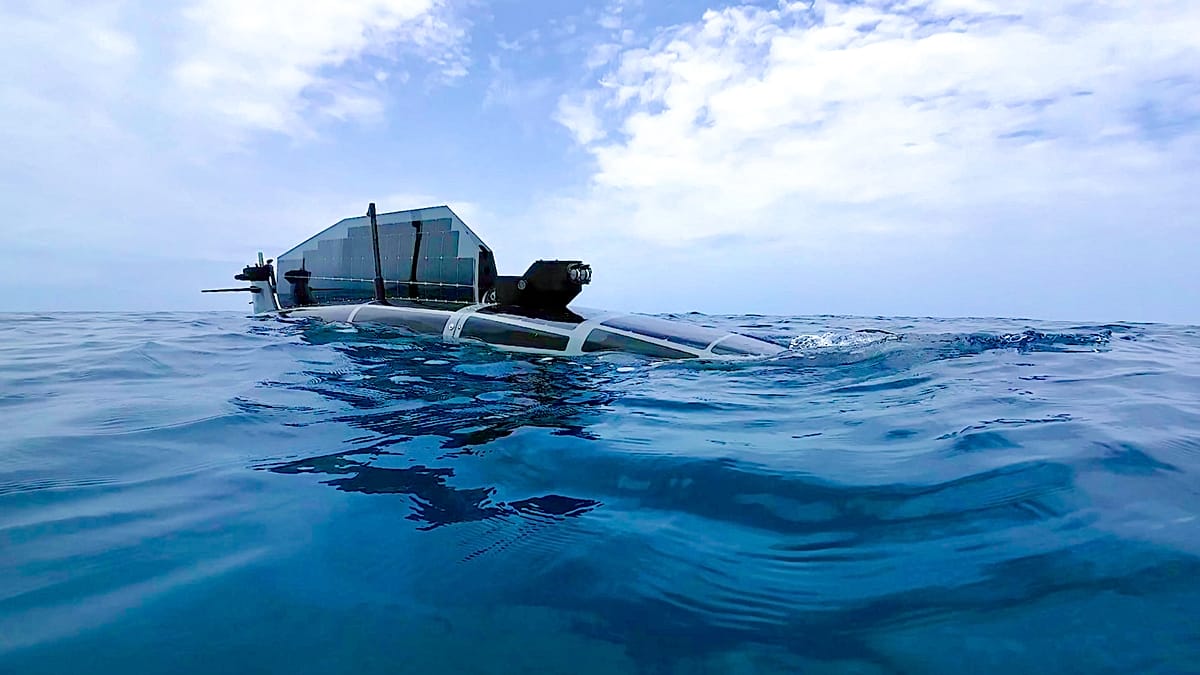
The partnership brings together a diverse set of capabilities. SAES will contribute its expertise in sensors and sonar processing for threat detection, while UTEK will handle autonomous surface vehicles (USVs) and Iqua Robotics will focus on unmanned underwater vehicles (UUVs) for inspecting infrastructure. Aragon Photonics will manage anomaly detection via fibre optics, supported by FYLA's underwater optical communications and Sateliot's satellite coverage.
The modular and scalable design of SIPRIS is intended to allow for the gradual integration of additional players, technology centres, and small and medium-sized enterprises from the sector. This open architecture is seen as a key strength, enabling the system to evolve as new threats and technologies emerge.
With the agreement signed, the project will now move directly into field testing before its commercial launch. If successful, it will place Spain in a select group of nations capable of independently protecting their own critical underwater infrastructure.
The development comes at a time when European governments are increasingly focused on the resilience of their digital and energy networks. The threat of AI-driven cyberattacks on critical infrastructure has been highlighted by UK security officials, and the protection of physical assets like undersea cables is equally vital. The SIPRIS initiative is a concrete step toward addressing these vulnerabilities.
Spain's move also reflects a broader European push for strategic autonomy in defence and security. As the continent grapples with the implications of shifting global alliances, the ability to safeguard its own infrastructure is becoming a cornerstone of national and EU-wide security policy. The deepening of transatlantic partnerships and the reallocation of EU funds toward joint defence projects are further signs of this trend.
For now, the focus is on the technical challenges ahead. The consortium will need to demonstrate that its integrated system can operate reliably in the harsh conditions of the deep sea, detecting anomalies in real time and providing actionable intelligence to naval and civilian authorities. The field tests will be crucial in proving the concept and building confidence among potential customers, both in Spain and across Europe.
If SIPRIS delivers on its promise, it could become a model for other European nations seeking to protect their own underwater assets. The initiative not only enhances Spain's industrial capabilities but also contributes to the collective security of the continent, ensuring that the digital and energy arteries of Europe remain open and secure.