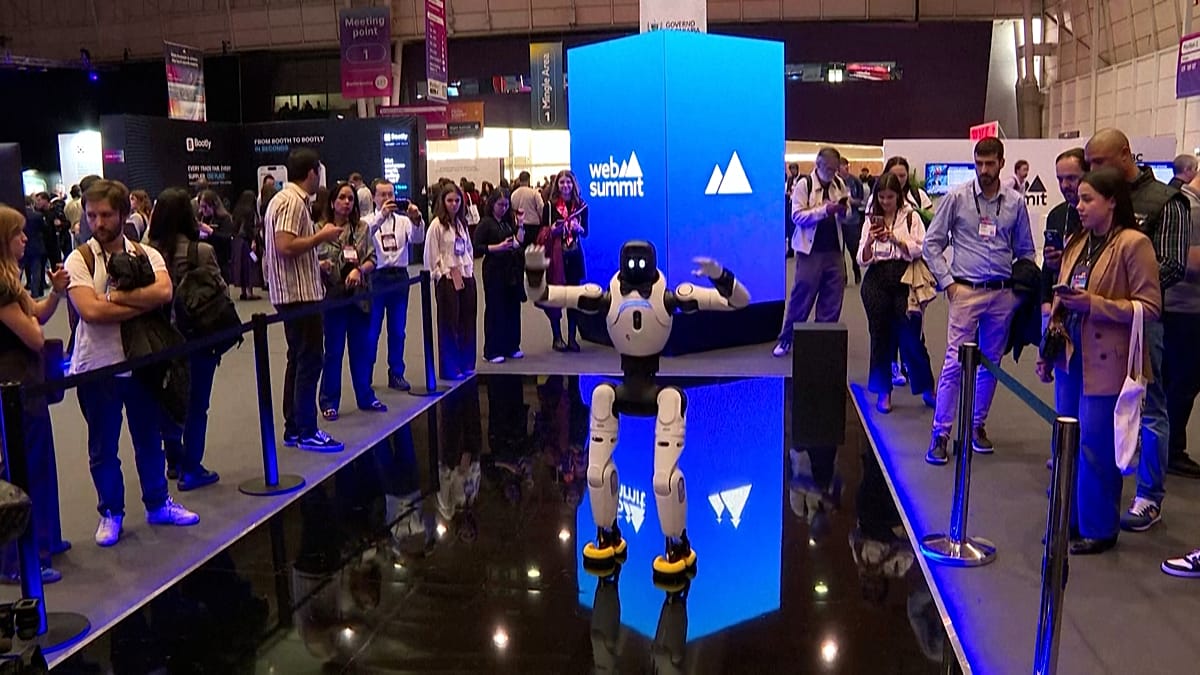
Lisbon's Altice Arena was a hive of futuristic spectacle this week as Web Summit 2026 opened its doors, with humanoid robots and robotic dogs stealing the show. The annual technology gathering, which has become a cornerstone of Europe's tech calendar, drew thousands of attendees from across the continent and beyond, all eager to glimpse the latest in robotics, artificial intelligence, and digital innovation.
The exhibition floor was dominated by humanoid machines that danced, gestured, and interacted with visitors, while agile robotic dogs trotted through the crowds, demonstrating their potential for everything from industrial inspection to search-and-rescue missions. These demonstrations were not just about entertainment; they underscored the rapid advances in European robotics and the growing commercial interest in autonomous systems.
A decade of economic impact
Beyond the flashy displays, the conference's broader significance was highlighted by a new study released during the event. According to the research, Web Summit has generated nearly €2.5 billion for Portugal's economy over the past ten years, cementing its role as a major driver of the country's tech sector and tourism industry. The figure includes spending on accommodation, hospitality, and local services, as well as the long-term benefits of attracting startups and investors to Lisbon.
The economic boost is particularly welcome as Portugal continues to position itself as a hub for innovation in Southern Europe. Lisbon's mayor, Carlos Moedas, who attended the opening day, called the summit "a testament to the city's transformation into a global tech destination." He added that the event has helped create thousands of jobs and put Portuguese startups on the international map.
However, the summit has not been without its challenges. Organizers had to contend with the aftermath of Storm Charles, which forced the cancellation of the second day of the event. The storm, which battered the Iberian Peninsula with high winds and heavy rain, also led to school closures and disrupted transport across Portugal, as reported in our coverage of the storm's impact. Despite the setback, the conference resumed with a packed schedule, and attendees seemed undeterred.
The robotics showcase comes at a time when Europe is grappling with the implications of AI and automation. The Dublin summit earlier this year saw EU leaders discuss a unified approach to AI governance, and the first AI summit in Dublin was overshadowed by political disputes. Yet, the mood in Lisbon was decidedly more optimistic, with many exhibitors focusing on practical applications of robotics in healthcare, logistics, and manufacturing.
One of the standout presentations came from a Portuguese startup that unveiled a humanoid robot designed to assist elderly patients in nursing homes. The robot, which can recognize faces, carry on basic conversations, and even help with physical tasks, is already being tested in several care facilities in the Algarve. "We want to build machines that work alongside humans, not replace them," said the company's CEO, Maria Fernandes, during a panel discussion.
International exhibitors also made their mark. A German firm showcased a robotic dog equipped with advanced sensors for inspecting offshore wind turbines, a nod to Europe's push for renewable energy. Meanwhile, a French company demonstrated a humanoid that can perform delicate surgical procedures with superhuman precision, though it remains in the research phase.
The enthusiasm for robotics was tempered by concerns about the future of the tech industry. In a session on the final day, industry leaders debated whether the current AI boom is a bubble, echoing worries that have surfaced at other major tech events. Our coverage of the final day captured those debates, as well as the departure of Nvidia's Jensen Huang from the conference, which added to the sense of uncertainty.
Despite these concerns, the overall atmosphere in Lisbon was one of cautious optimism. The Web Summit has evolved from a startup meetup into a major European institution, and its impact on Portugal is undeniable. As the robots danced and the crowds marvelled, it was clear that the continent is embracing a future where machines and humans increasingly share the stage.