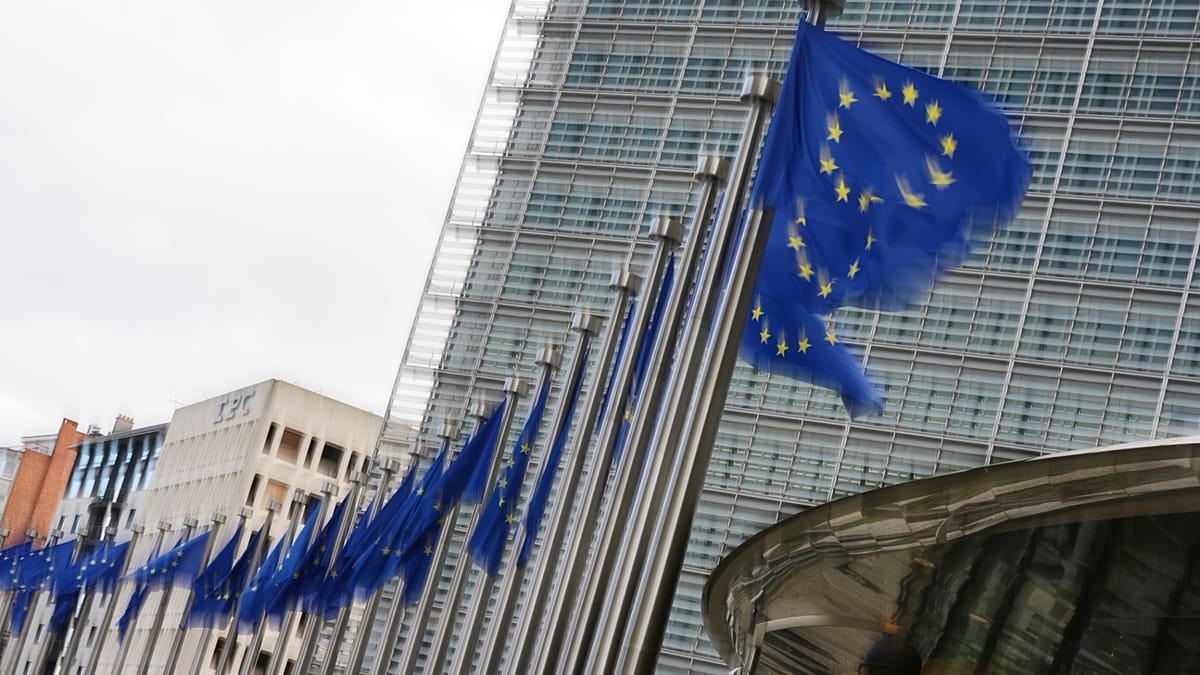
In a striking intervention that has reignited debate over the United Kingdom's post-Brexit trajectory, a senior Treasury minister has declared that the country will eventually rejoin the European Union. Lord Spencer Livermore, the financial secretary to the Treasury, told the House of Lords on Monday that reversing Brexit is "absolutely" in the UK's "national economic interest" and that re-entry is "an inevitability."
"Should we in due course reenter the European Union, well of course, my personal view is that that is an inevitability," Livermore said. "Of course the UK will at one point reenter the European Union." He added that the government's current "reset" with Brussels is "incredibly important in helping growth in our economy."
Labour Figures Push for Closer Ties
Prime Minister Keir Starmer, whose government has faced mounting challenges, has pledged to rebuild links with the EU and place the UK "at the heart of Europe." This has drawn accusations from the opposition Conservatives that Labour is attempting to "unpick" Brexit. The UK voted to leave the bloc in 2016 after a divisive referendum campaign centered on immigration, funding the National Health Service, and reclaiming parliamentary sovereignty.
The debate has intensified in recent weeks as senior Labour figures jostle for position ahead of a potential leadership contest. At the party's Progress conference last month, former health secretary Wes Streeting called the Brexit vote a "catastrophic mistake" that has left the UK "less wealthy, less powerful and less in control than at any point before the industrial revolution." He argued for a "new special relationship with the EU, because Britain's future lies with Europe, and one day, one day, back in the European Union."
London Mayor Sadiq Khan has also urged Starmer to go further with his reset. In February, Khan described Brexit as "the biggest act of economic self-harm any country's ever done" and expressed hope that rejoining would happen "in my lifetime."
Political Reactions and Implications
Kemi Badenoch, leader of the main opposition Conservatives, dismissed Labour's renewed focus on Europe as "a sign of a Labour party that does not have a plan for the country." The comments from Livermore and other Labour figures come amid broader discussions about the UK's relationship with the EU, including ongoing negotiations over trade, security, and cooperation. The UK's departure from the bloc has had significant economic consequences, with many businesses facing new barriers to trade and investment.
While the government has emphasized its "reset" efforts, including closer alignment on issues such as defense and climate change, the prospect of full re-entry remains politically fraught. The 2016 referendum result still holds sway among many voters, and any move toward rejoining would likely face fierce opposition from Brexit supporters. However, the growing chorus of voices within Labour calling for a return to the EU suggests that the debate is far from settled.
As the UK navigates its post-Brexit future, the question of whether and when it might rejoin the EU will continue to shape political discourse. For now, the government's focus remains on improving relations with Brussels while managing the economic and diplomatic fallout of the 2016 decision.