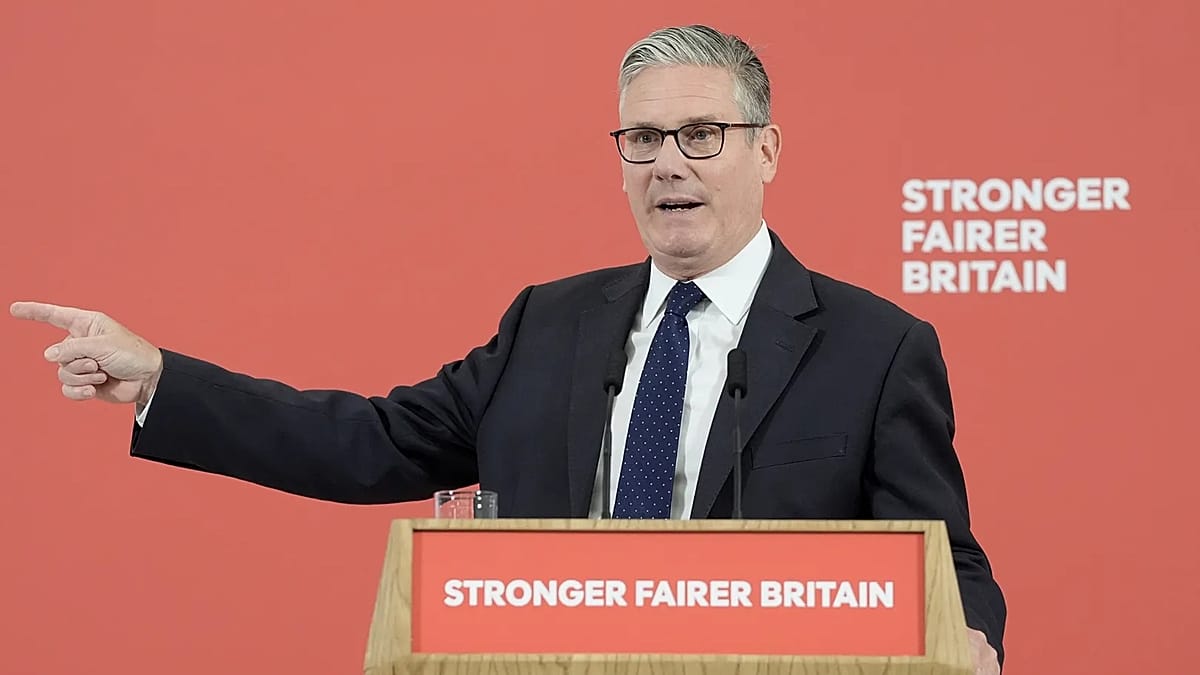
Outgoing British Prime Minister Keir Starmer announced on Tuesday that the United Kingdom will commit nearly £300 billion (€348 billion) to defence spending over the next four years, marking the largest sustained increase since the Cold War. The announcement, made during a speech at a drone manufacturer near London, is part of a long-awaited 10-year Defence Investment Plan aimed at modernising the country's armed forces in response to what Starmer described as a fundamentally changed global security environment.
“Last year I made the decision in the national interest to reprioritise aid spending towards defence and achieved the biggest uplift in defence spending since the end of the Cold War,” Starmer said. “That was the right choice because the world has changed. National security is economic security.”
The plan includes an additional £15 billion (€17 billion) in funding over the next four years, achieved by reallocating resources across government departments. More than £5 billion (€5.8 billion) will be directed specifically toward drones and autonomous systems, reflecting lessons learned from the war in Ukraine, where Kyiv uses approximately 200,000 drones per month to counter Russian forces.
Drone Warfare and Naval Transformation
Starmer emphasised that the nature of conflict is evolving rapidly. “The very nature of conflict is changing before our eyes,” he said, noting that Ukrainian forces, armed with cutting-edge technology, have destroyed Russia’s Black Sea fleet, struck deep into Russian territory, and halted the advance of one of the world’s largest armies. The UK plans to invest heavily in drone systems across all military branches, with the Royal Navy set to replace a planned fleet of new destroyers with hybrid vessels designed to serve as command hubs for unmanned systems.
The announcement follows months of internal wrangling within Starmer’s Labour government over defence priorities. Two defence ministers resigned earlier this month, including Defence Secretary John Healey, who argued that the proposed spending plans risked making Britain “less safe.” The resignations were among a series of blows that led Starmer to announce last week that he would step down as prime minister.
Starmer is expected to attend a NATO summit in Ankara, Turkey, on 7–8 July in one of his final acts as head of government. His likely successor, former Greater Manchester Mayor Andy Burnham, will face pressure to uphold the commitments outlined in the defence plan. The UK aims to increase military spending to 3.5% of GDP by 2035, meeting NATO’s revised target.
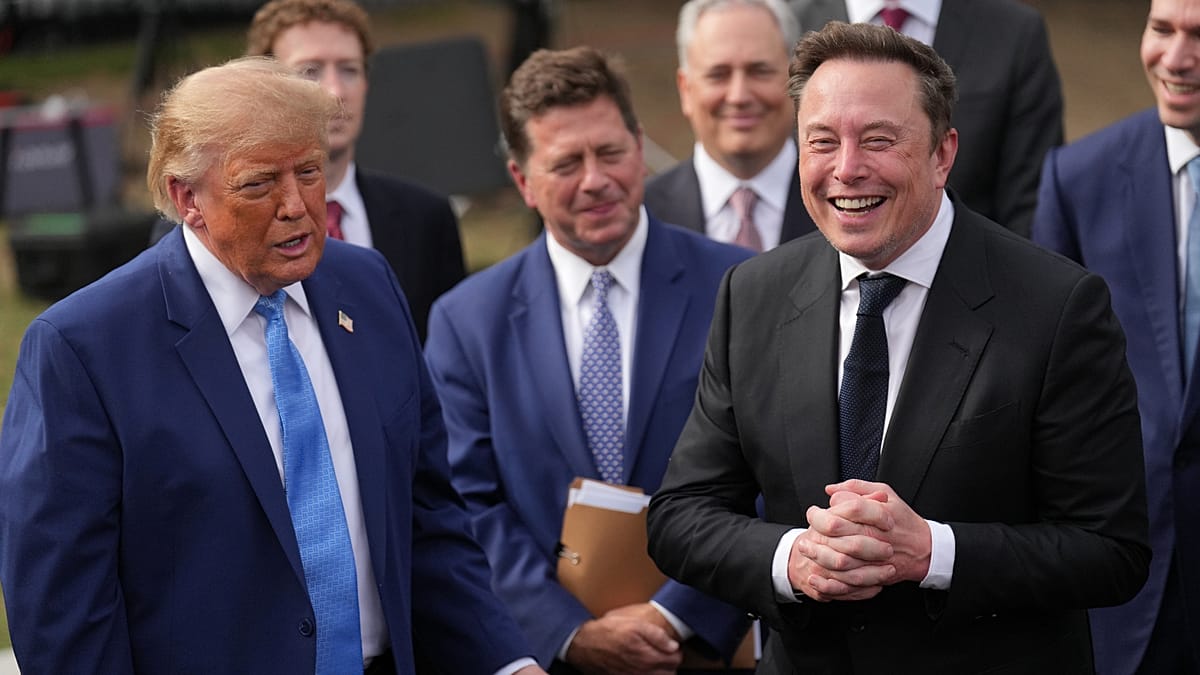
The defence pledge comes as US President Donald Trump has repeatedly urged European allies to shoulder more of the burden for their own security. Trump has long questioned the value of the NATO alliance and criticised European nations for relying on Washington for protection. The UK’s plan is seen as a response to both Russian aggression—Moscow invaded Ukraine in 2022 and continues to test European defences—and to transatlantic pressure.
Opposition Conservative Party defence spokesperson James Cartlidge dismissed the plan as “too little, too late,” noting that it was nearly a year overdue and only rushed through because Starmer is “desperate for a legacy.”
The UK military has been seeking to reverse years of decline in the face of an increasingly assertive Russia. The conflict in Ukraine has demonstrated the transformative role of drones, prompting European nations to accelerate their own investments in unmanned systems. The European Union has also launched joint defence projects to boost cooperation among member states, as the continent grapples with the need to modernise its armed forces collectively.
Starmer’s departure marks the end of a turbulent tenure, but the defence plan is likely to shape UK security policy for years to come. Whether his successor can maintain the spending trajectory—and whether European allies will follow suit—remains an open question as NATO prepares for its Ankara summit.